
Browse Items (771 total)
Sort by:
-
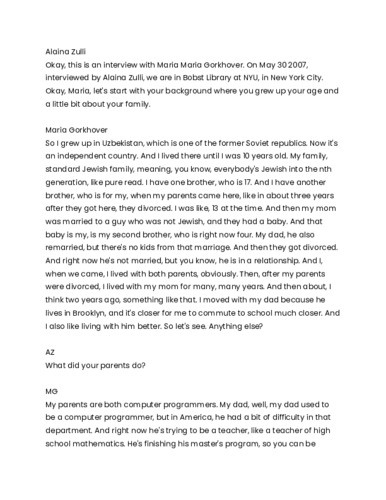
Lesbian Style Project: Mariya Gorkhover
Alaina Zulli interviews Mariya Gorkhover. They discuss her family, coming out to her parents, how her style has evolved with her sexuality, how she believes she is perceived, and how she would like to be perceived (based upon her looks). -

Lesbian Style Project: Fumio Ichikawa (Disc 2)
Alaina Zulli interviews Fumio Ichikawa, part two. She reflects on her experiences of xenophobia and colonialism, particularly in the context of the six month university exchange program that she spent in London. Then, she reflects on how she came to understand her lesbian identity, the tensions between Japanese cultural norms and gendered expectations and her identity as a lesbian, and how her identity is reflected in her style. -
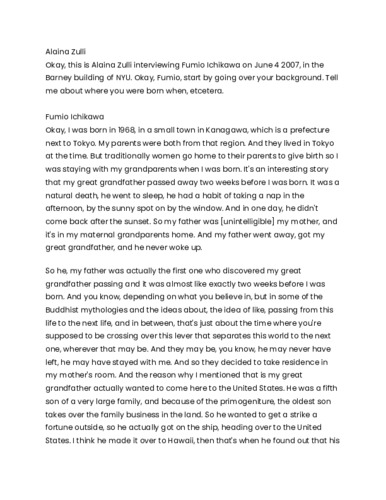
Lesbian Style Project: Fumio Ichikawa (Disc 1)
Alaina Zulli interviews Fumio Ichikawa, part one. First she reflects on her experiences across her childhood and adolescence; she grew up in a small town in Kanagawa outside of Tokyo, and recounts her experience of class and gender in Japan. She also describes her difficulties adjusting to the culture and language in America as a young adult after her family moved to New York when she was 17 years old. -
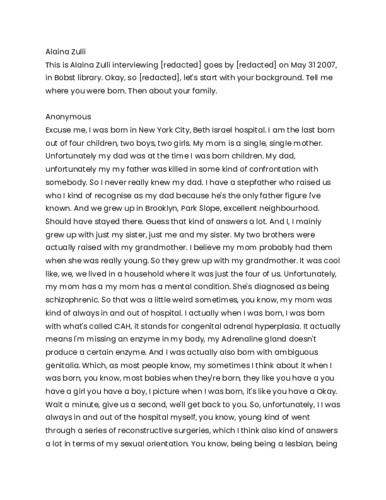
Lesbian Style Project: Anonymous Interviewee
The interviewee recounts her experiences growing up lesbian and intersex in Brooklyn and Manhattan. She discusses the lesbian community, the ballroom scene, workplace and school bullying, and her experiences working at an urban clothing company.
The interviewee's name has been withheld at her request. -
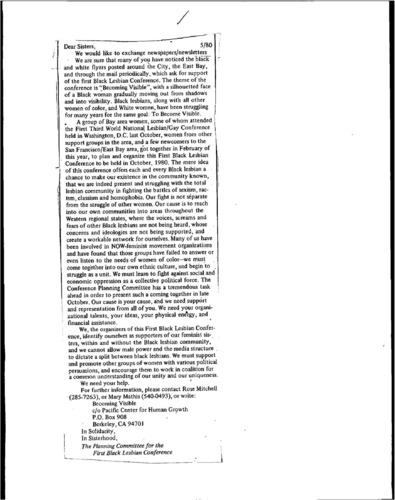
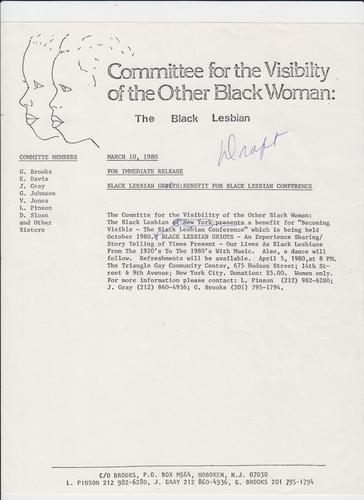
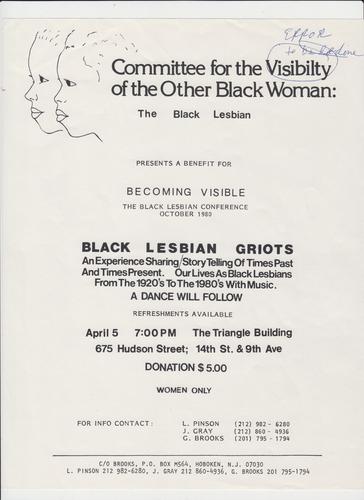
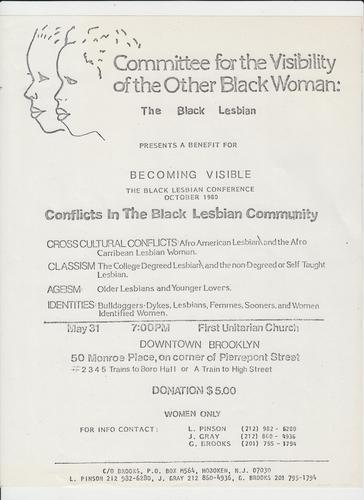
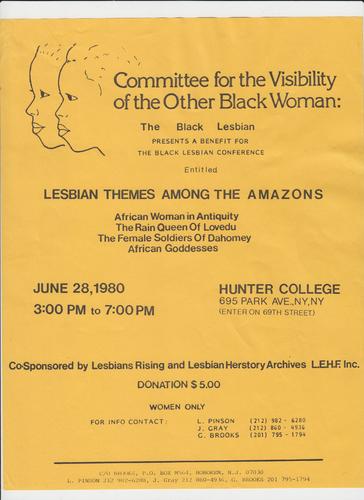
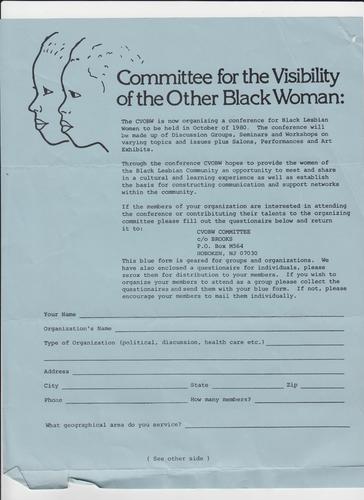
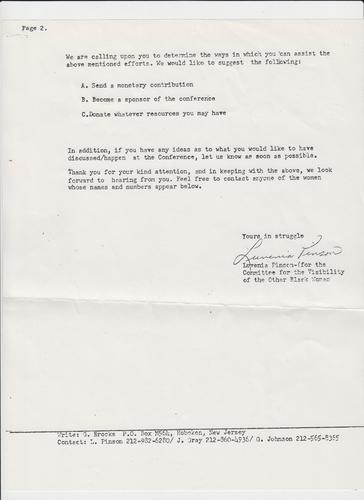
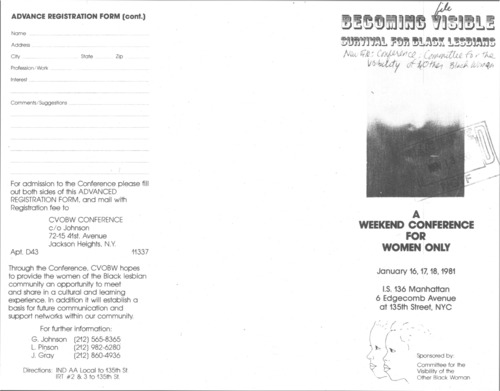
First Black Lesbian Conference
Scan of letter distributed by planning committee members of First Black Lesbian Conference, San Francisco, 1980 -
-
-
-
-
-
-
-
Ruth Berman & Connie Kurtz interview with Rose Jordan, 1984
This episode of "The Lesbian Radio Show" on WBAI is an interview of Ruth Berman and Connie Kurtz by Rose Jordan. The women discuss the importance of Coming Out, the adverse reactions people might have to that news, and the reaction that one might have to their own Coming Out. They talk about working on themselves and about how doing the inner work of acceptance makes it easier for them to live in a society that might not fully accept them. Ruthie and Connie share about their practice of Co-Counseling, in which people can provide emotional support for each other by deep listing. They discuss self esteem, pride, shame, and the connection between emotion and the health of our physical bodies. They encourage people to seek help should they need it.
Ruth and Connie discuss issues with unprocessed trauma and how being triggered can cause a trauma response, unconditional love and the importance of not weaponizing love, and take calls from listeners. They talk about upcoming workshops and counseling that they offer.
Songs played during the show include "I Am What I Am" by Gloria Gaynor and "She" by Holly Near
-
Ruth Berman, Connie Kurtz , and Deborah Dickson Interview with Bay Area Reporter, 2001
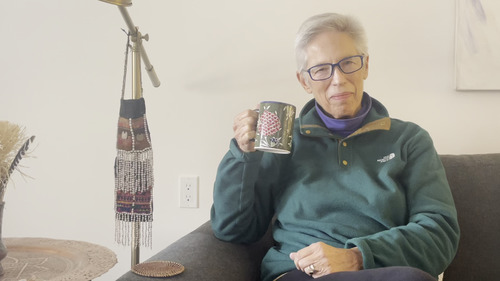
In this interview with an unknown reporter, Ruth Berman and Connie Kurtz discuss their lives in context with the recent documentary about their life directed by Deborah Dickson, who is also interviewed.
Ruth and Connie discuss how they met, their early activism within their communities, being married to men and having families, and their eventual falling in love with one another and coming out as Lesbians. They discuss their relationships with their families then and now, and the importance of coming out of the closet.
Deborah talks about her process when working in this film, and how she tried to make the film for both gay and striaght audiences -
Victoria Rue Interview
In this oral history conducted by the Rossmoor Lesbian Social Club, Victoria Rue discusses growing up Catholic and her time in Catholic School and in the Convent for a short time. She talks about her first sexual encounter with a woman, living LA and then moving to New York City in 1977 to work in theater. Vitoria discusses getting a Master's of Divinity at Columbia and then a PHD in Berkley, CA and her focus on religion and the arts and exploring her identity as a Christian and a Lesbian. She talks about theater as activism, her involvement in the Women's Music Movement, and her relationship with her partner. She speaks about her relationship to both her family and her partners family. -
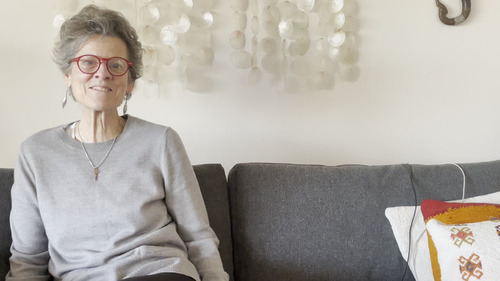
Kathryn Poethig Interview
In this oral history conducted by the Rossmoor Lesbian Social Club, Kathryn Poethig discusses growing up in the Philippines due to her parents work through the Presbyterian church and her positionality being raised there as a white person in a minority privileged position that affected the rest of her life. She talks about moving back to America and feeling uncomfortable at first with the culture as well as how sexualized things were in the US which lead to her further questioning her sexuality, her first feelings of attraction to women as an adult and her coming out process within a theological community. she talks about her feeling about various lesbian and women's groups she found herself in and moving to Rossmoor with her partner. -
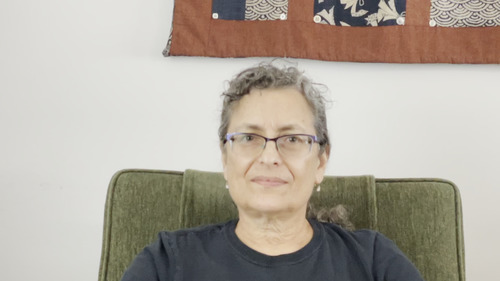
Jean Lerner Interview
In this oral history conducted by the Rossmoor Lesbian Social Club, Jean Lerner discusses being raised Jewish by very politically active communist parents, her realization in college she was in love with her girl friend, and her disillusionment with the Communism that she was raised with. She talks about being closeted in her work as a chiropractor even though she loved her job, her decision to get pregnant and raise a daughter on her own after a struggle to find a partner who also wanted to raise a child, and then meeting her partner when she was pregnant and their family growing as they adopting their son. -
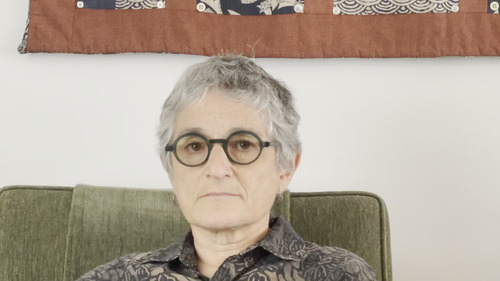
Liz Salen Interview
In this oral history conducted by the Rossmoor Lesbian Social Club, Liz Salen discusses her early feelings of attraction to girls, her experience having girlfriend at her Hebrew high school, remaining closeted through college and the beginning of law school and her ultimate coming out process and her family's reaction after her sister had also come out as a lesbian. She speaks about her work in her private law practice counseling non-profit activist organizations including OUT Week, ACT UP, and other queer focused organizations, becoming a mother with her partner's biological child, her own pregnancy journey and complications, and adopting a son. She discusses her daughters coming out to her as non-binary and moving to Rossmoor with her partner.
-
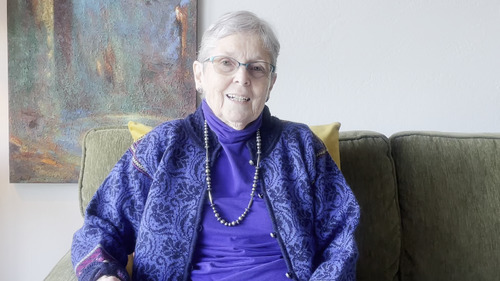
Bev Lyon Interview
In this oral history conducted by the Rossmoor Lesbian Social Club, Bev Lyon discusses her family background and history, her early feelings for other girls in High School and her coming out in her early 40s. She speaks about getting married to a man in her senior year of college and their adoption of a child together. She discusses her her first relationship with a women and breaking into the lesbians and feminist world, and her later coming out to her family amf her reations. Bev talks about her life long ilness and how that affecter her life as well as the misogyny that she encoutered in law school. She speaks about meeting her partner and her involvement with the Bay Area Career Women group. -
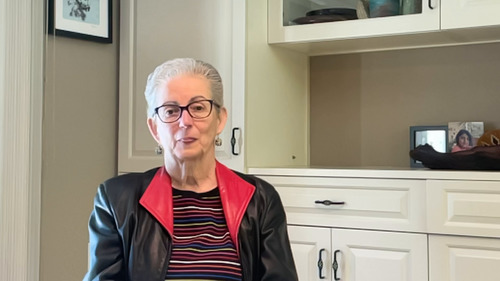
Ann Biderman Interview
In this oral history conducted by the Rossmoor Lesbian Social Club, Ann Biderman discusses her early feelings for other girls, her coming out process and mixed reactions that led her to be fearful of coming out to people. She talks about her relationship with her parents, looking for a Jewish Lesbian community in Austin, TX and eventually moving to San Francisco in 1987. Ann discusses her involvement with Bay Area Career Women, her Temple, and the National Center for Lesbian Rights. -
Deb Mayer Interview
In this oral history conducted by the Rossmoor Lesbian Social Club, Deb Mayer discusses her coming out process and finding lesbian community, her seven-year marriage to a navy pilot which brought her to the Bay Area, and her work in the juvenile justice system as a probation officer. She talks about her involvement in marriage equality and AIDS activism in San Francisco and also discusses moving to Rossmoor and the development of the Lesbian Social Club and the importance of friendship and community at this point in her life.
-
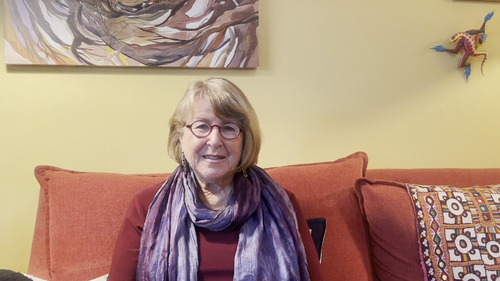
Cecelia Wambach Interview
In this oral history conducted by the Rossmoor Lesbian Social Club, Cecelia Wambach discusses her realization her being a lesbian after being married to a man, her experince of being in a convent for 10 years, teaching at a women’s college, her involvement with the civil rights and anti-war movement and her move to the west coast with her small family. She also talks about her involvement with the LGBTQ communities once she moved to San Francisco, finishing her PHD and working as a college professor at San Francisco State for 30 years, and her life long pursuit of painting.
-
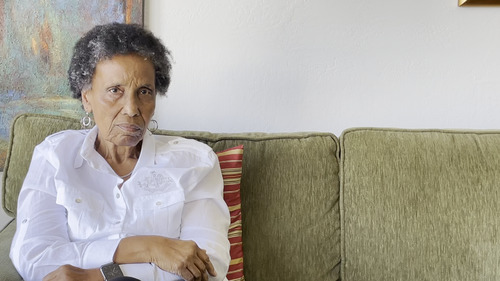
Andrea Gourdine Interview
In this oral history conducted by the Rossmoor Lesbian Social Club, Andrea Gourdine discusses growing up conservative in the bay area and the racial discrimination and segregation she and her family faced in 1940s in Richmond, CA. Her coming out process and the response from her mother. She discusses her career in HR which lead her to be the first black woman working in HR for the City and County of San Francisco where she ultimately become the director and the closeted environment of her professional work. She touches on her experience with the lesbian community in San Francisco and finding herself through that community, and later, through the Rossmoor community. -
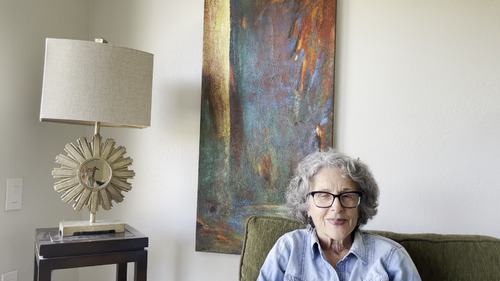
Andrea Gilbert Interview
In this oral history conducted by the Rossmoor Lesbian Social Club, Andrea Gilbert discusses her coming out process later in life and in relationship to her marriage to a man, her divorce, and her relationship to her children; as well as her family’s reaction to her coming out as a lesbian. She also discusses the impact of living at Rossmoor and the Rossmoor community on her life and her work in advocacy for the families of LGBTQ people. -
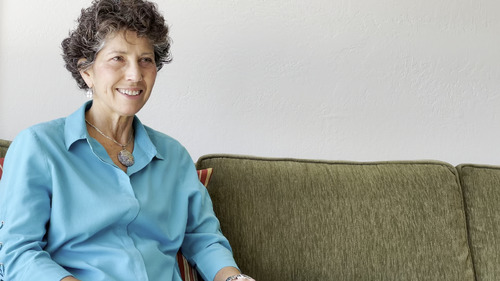
Jade Martner Interview
In this oral history conducted by the Rossmoor Lesbian Social Club, Jade Martner discusses her discusses her coming out process, both to herself at age 15, and to her mom when she was 17 which led to Jade being kicked out of the house. Moving to the Bay Area in 1988 from Arizona and finding a women’s group and community with the Palo Alto Lesbian Rap Group and in Lesbian Bars. Her work in IT management and being a Lesbian in a professional setting and starting an LGBTQ resource group at her company. -
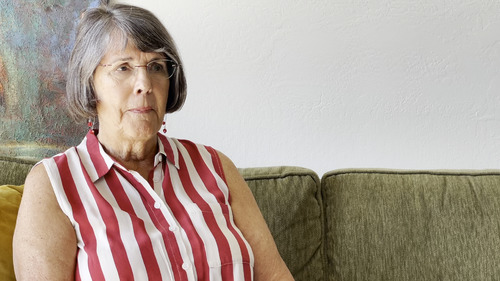
Lynn Gold Interview
In this oral history conducted by the Rossmoor Lesbian Social Club, Lynn Gold discusses being married right out of college, raising two children, their divorce after 20 years, and a second marriage to a man during which time she fell in love with a woman. She also discusses coming out later in life around the same time Ellen DeGeneres came out and that point of culture helping her come out. Despite the shifting cultural views she discusses issues that she had with some friends and family members over her sexuality and eventual marriage to a woman. She also discusses her relationship with her mother in regards to her sexuality and her mothers sexuality. -
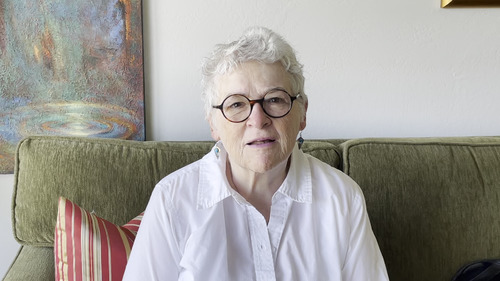
Marlene Michelson Interview
In this oral history conducted by the Rossmoor Lesbian Social Club, Marlene Michelson discusses Her early realizations of her sexuality, her work at the Oakland tribune starting in 1962 which began her 30 year career as journalist, her marriage to a man and experience raising two children, her ultimate separation from her husband, and her subsequent introduction to the lesbian scene in the Bay Area. She also discusses her late coming out after she arrived at Rossmoor and the start of the Rossmoor Lesbian Social Club. -
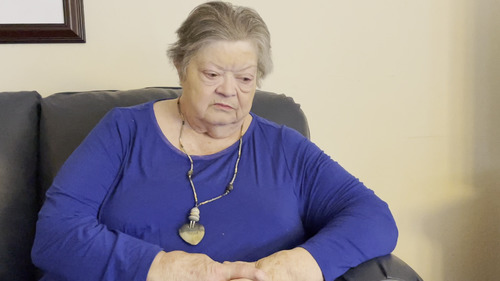
Sharon Noteboom Interview
In this oral history conducted by the Rossmoor Lesbian Social Club, Sharon Noteboom discusses growing up on a farm in the Midwest in a religious family, the influence of conservative religion through her life, her coming out process in the late 70s, her involvement with the civil rights movement and various communities in San Francisco, and teaching as an out Lesbian.