
Browse Items (771 total)
Sort by:
-
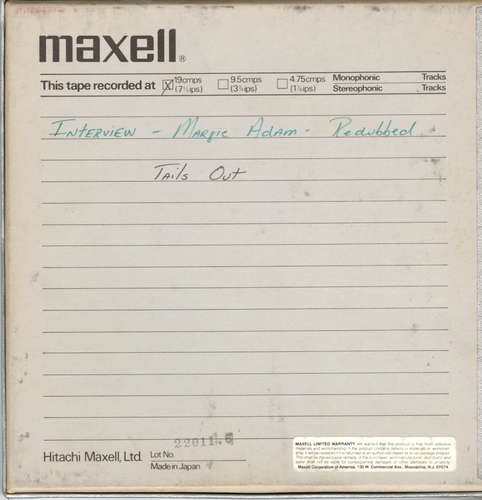
Margie Adam Interview [Redubbed]
Margie Adam is interviewed by Ruth Scovill. Margie performs music, woven between interviews, in this redubbed interview. She discusses women’s music as not being mainstream music, as well as the politics of women’s music, and need for women’s production companies. She mentions the importance of networking with women-owned companies and businesses. Redubbed. -
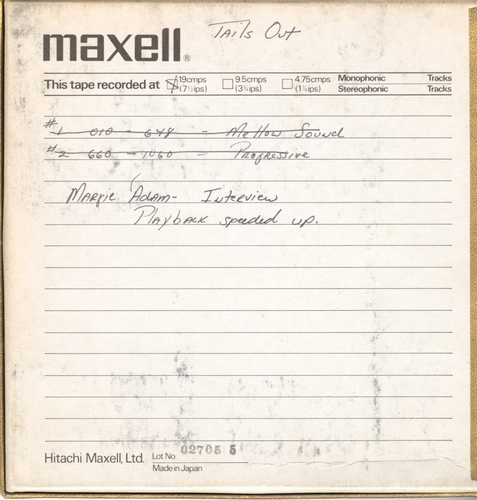
Margie Adam Interview (Part 3)
Margie Adam is interviewed by Ruth Scovill. Margie continues the interview, discussing her song-writing style, and musician performance technique. She is passionate about music for social change, and talks about difficulties making a living as a performer, specifically focusing on the financial responsibilities as a musician with women audiences. Part 3 of 4. -
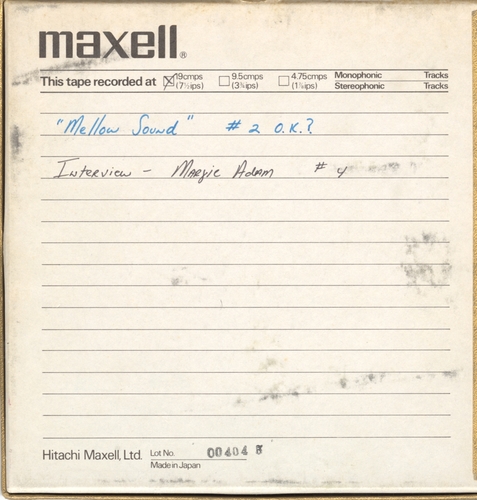
Margie Adam Interview (Part 4)
Margie Adam is interviewed by Ruth Scovill. Margie talks about the value of women musicians as speaking out for women’s communities. She discusses the roles of feminism and autonomy in women’s music. Margie talks about what it is like to be a traveling musician, and bands on tour, acknowledging that most women musicians at the time are soloist, white, middle-class women. She talks about trying to be accessible to audiences through music. Part 4 of 4. -
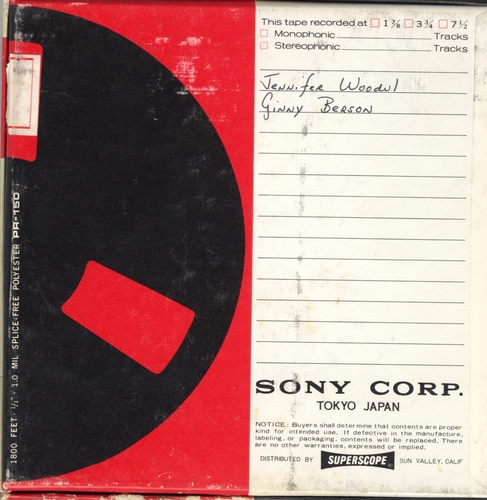
Olivia Records Interview (Part 1)
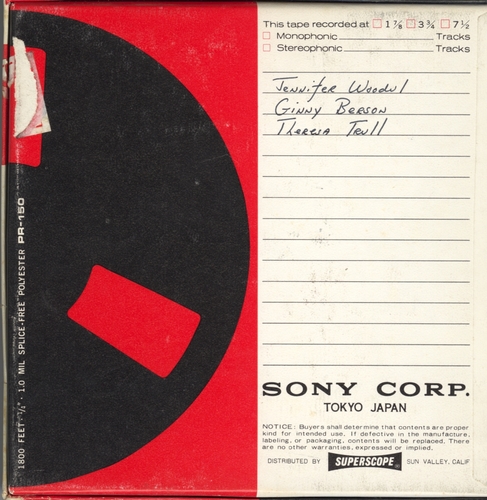
Jennifer Woodul and Ginny Berson, founders of Olivia Records, are interviewed by Ruth Scovill. Jennifer Woodul and Ginny Berson talk about their band and production studio, Olivia. The recording starts mid-sentence. They discuss recording music and starting a music studio. They talk about how they met at The Furies Newspaper, and the need they seen for women-owned businesses, and issues with capitalism. Part 1 of 2. -
Olivia Records Interview (Part 2)
Jennifer Woodul and Ginny Berson, founders of Olivia Records, are interviewed by Ruth Scovill. Jennifer and Ginny continue to talk about women’s autonomy in the lyricism of women’s music. They talk about their views on music production and concerts as places of political organization. They attempt to self-define what “women’s music” means to them, while acknowledging the classism in the music industry. Part 2 of 2. -
Sally Piano Interview (Part 1)
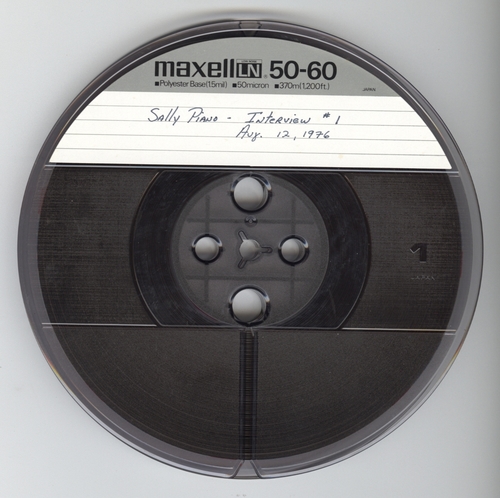
Sally Piano is interviewed by Ruth Scovill. Sally discusses her early life, including her ethnicity, and racial identity. She mentions how learning the piano and music led her to the women’s movement, and feminist music. Part 1 of 3. -
Sally Piano Interview (Part 2)
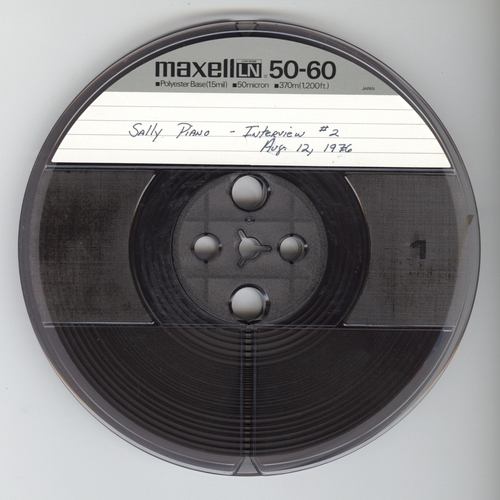
Sally Piano is interviewed by Ruth Scovill. Sally talks about her relationship with her audience as a performer. She addresses difficulties with men in the women’s music scene, as well as appropriation and criticism. Part 2 of 3. -
Sally Piano Interview (Part 3)
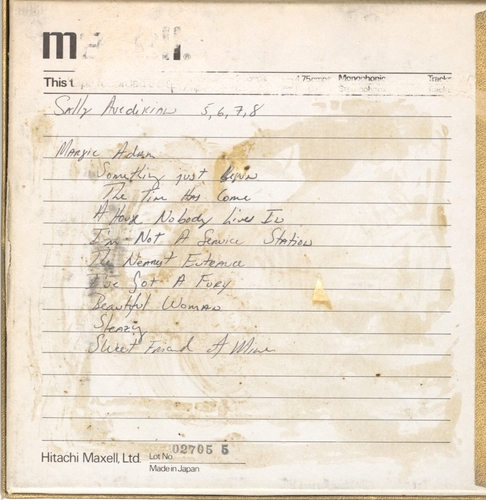
Sally Piano is interviewed by Ruth Scovill. Sally talks about her distrust of the government, including phone-tapping, spying, and the CIA. She addresses mainstream musicians of ripping off minority culture, including lesbians by men in power. She shares views on women’s music as alienating male audiences, intended to create space for women-only, as well as differences between straight and gay audiences. She discusses issues of maintaining an ethnic name as a performer, and how she came about using a stage name. Sally touches on themes of separatism in the women’s and lesbian movements. Part 3 of 3. -
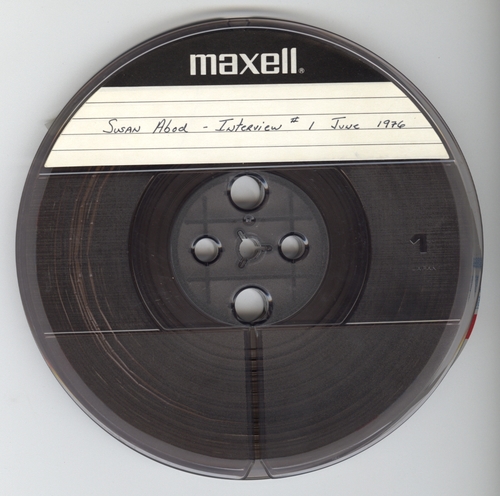
Susan Abod Interview
Susan Abod is interviewed by Ruth Scovill. The tape starts in the middle of a conversation. Susan talks about women’s rock music as the antithesis to “cockrock,” or rock music for and by men. She discusses her journey of auditioning and joining bands, and being influences by socialism, feminism, and how she joined a political band of women. (Some audio distortion). She talks about rewriting song lyrics, the concepts of straight-baiting, utopian politics, and differences between women’s music and feminist lyrics in music. Around 49:30 the narrator changes, and the topic changes to the Woman’s Coffee Coven, which later became a production company. This may be the predecessor of Olivia Records. -
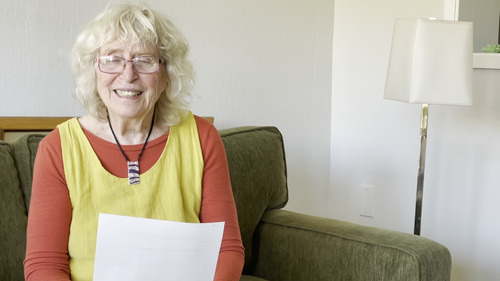
Rossmoor Lesbian Social Club Introduction Video
In this video, members and past presidents of the Rossmoor Lesbian Social Club give an introduction to their group and their oral history project. They discuss the history and growth of the group and their place in the larger Rossmoor community, and detail the events their group puts on. -
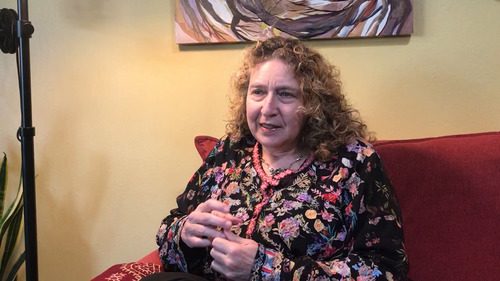
Amy Klitsner Interview
In this oral history conducted by the Rossmoor Lesbian Social Club, Amy Klitsner discuss her family, early life, her realization that she was a lesbian, her coming out process, and finding community with other women and lesbians. -
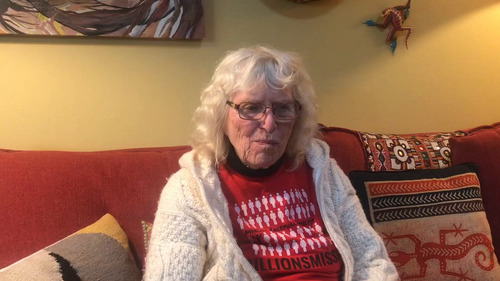
Bobbi Ausubel Interview
In this oral history conducted by the Rossmoor Lesbian Social Club, Bobbi Ausubel discusses her early life and family, her coming out process, the RLSC community during Covid and her experience with the second wave feminist movement and feminist liberation theater. -
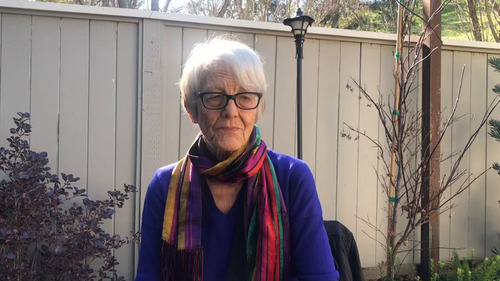
Carol Newhouse Interview
In this oral history conducted by the Rossmoor Lesbian Social Club, Carol Newhouse discusses her family history, her travels and life living around the in Puerto Rico, New York, and France, and her eventual move to the Bay Area and then to Rossmoor. -
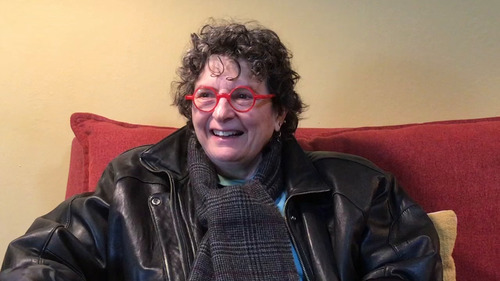
EJ Koch Interview
In this oral history conducted by the Rossmoor Lesbian Social Club, EJ Koch discusses her upbringing and family, her coming out process through her first marriage, the book she is writing with a colleague, and how she arrived at Rossmoor. -
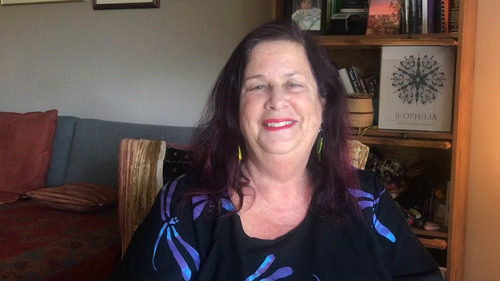
Janet Seldon Interview
In this oral history conducted by the Rossmoor Lesbian Social Club, Janet Seldon discusses her coming out process, growing up in the Bay Area, her law work, how she came to Rossmoor, the importance of Lesbian Community. -
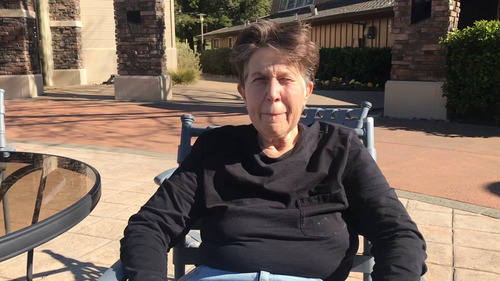
Judy Greyboys Interview
In this oral history conducted by the Rossmoor Lesbian Social Club, Judy Greyboys discusses her coming our process, here involvement in the Philly lesbian and political scene, her move to the Bay Area, involvement in activism and non-profit work, her work and travels as a musician, and the importance of community. -
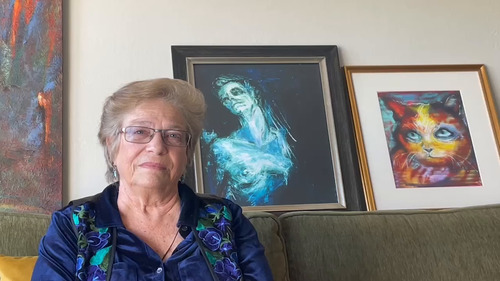
Judy Schavrien Interview
In this oral history conducted by the Rossmoor Lesbian Social Club, Judy Schavrien discusses her involvement in the feminist women’s movement, her relationships, her work as a professor and a psychotherapist, her move to the Bay Area, and her opinions of the lesbian community in Rossmoor. -
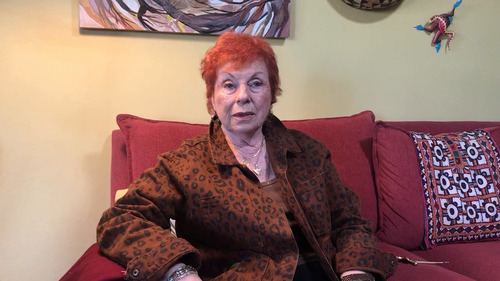
Nicole Schapiro Interview
In this oral history conducted by the Rossmoor Lesbian Social Club, Nicole Schapiro discusses her founding on the Bay Area Career Woman group, her family, her coming out process, and her work as a professional speaker and coach. -
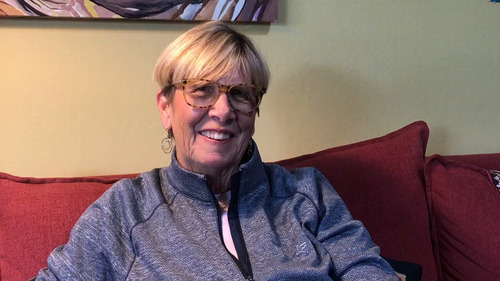
Renee Archer Interview
In this oral history conducted by the Rossmoor Lesbian Social Club, Renee Archer discusses her early feelings for other women, moving to California from Detroit, her marriage to a man and eventual coming out process, her involvement in activism, her work as a teacher, the importance of community, and her feelings about gender identity. -