
Browse Items (771 total)
Sort by:
-
![[2014SP]workshop 4.20.71 #4.mp3](/omeka/application/views/scripts/images/fallback-audio.png "[2014SP]workshop 4.20.71 #4.mp3")
Workshop #4, Side B, April 20, 1971
The recording is from a workshop from April 20, 1971. The women are having an open discussion on honesty and trust within the group. The talk about how they feel about each other and how they handle being in Daughters of Bilitis. -
Workshop #3, Side A, February 18, 1971
This audio recording talks about activism and oppression within the lesbian community. The workshop is a group of women discussing their feelings and experiences with being oppressed as women in society, especially as lesbians. -
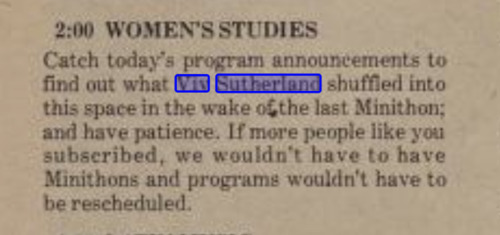
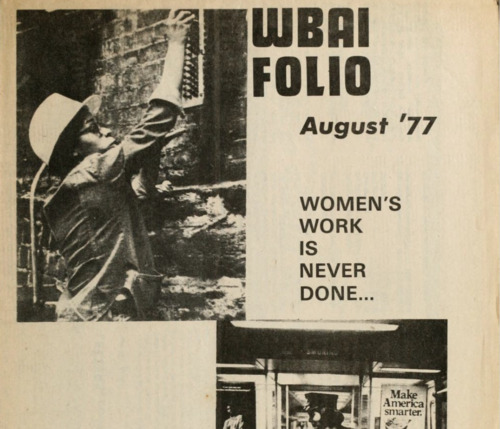
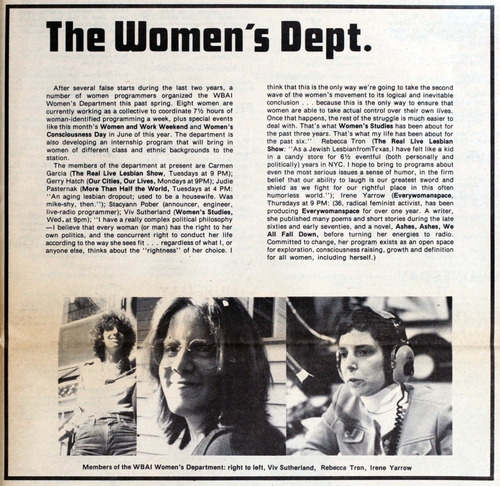
Womens Studies, via WBAI Folio 1970s
Womens Studies, via WBAI Folio 1970s -
-
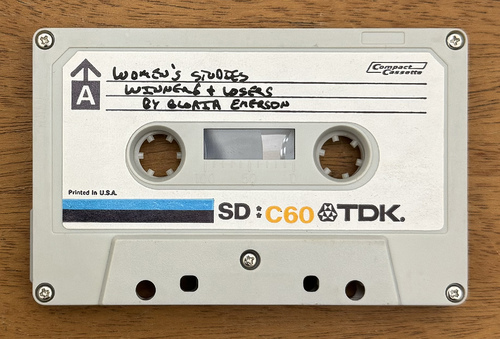
Women's Studies - Winners + Losers by Gloria Emerson
This episode of Women's Studies features journalist Gloria Emerson in conversation with Viv Sutherland on WBAI Radio, presenting an in-depth discussion of Emerson’s experiences as a New York Times correspondent during the Vietnam War and the themes explored in her book Winners and Losers. Emerson reflects on her transition from covering fashion in Paris to reporting from Vietnam, the ethical and emotional challenges of war journalism, and the gender dynamics within the press corps. The interview addresses subjects including the portrayal of Vietnamese civilians, the psychological effects of war on soldiers and reporters, and Emerson’s critical perspective on American media and class divisions. Side B continues with Emerson’s postwar reflections on patriotism, public reception of her book, her relationship with the New York Times, and her evolving views on feminism and morality. -
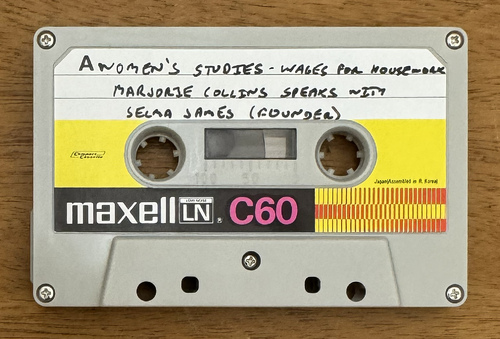
Women's Studies - Wages for Housework - Marjorie Collins Speaks with Selma James (Founder)
This episode of Women’s Studies, hosted by Viv Sutherland, features a taped interview by Marjorie Collins with Selma James, founder of the Wages for Housework movement. James discusses the economic exploitation of women’s unpaid domestic labor, the hierarchies within capitalism that devalue care work, and the need for international solidarity among women demanding wages for housework. She connects women’s financial independence to personal liberation, equality in relationships, and freedom of sexual and emotional expression, including lesbian identity. The episode concludes with live listener call-ins responding to James’s ideas about women’s labor, dependency, and social change. -
Women's Studies - Viv Sutherland Speaks with Robin Morgan
In this episode of Women's Studies, host Viv Sutherland, speaks with poet Robin Morgan. They go on to discuss feminism as it relates to Christianity, Wicca, and spiritualism and religion at large. -
Women's Studies - Dr. Donna Allen + Carole Getzoff
This Every Woman’s Space episode, featuring host Viv Southerman with guests Dr. Donna Allen from Media Report to Women and Carol Getzoff from A Woman’s Place, explores women’s representation in the media and their struggle for equity within the broadcasting and print industries. The discussion addresses stereotypes, gender discrimination, and the need for women to portray themselves rather than be defined by others. Topics include workplace competition, collaboration among women in media, visibility, and responsibility in journalism. The episode concludes with announcements about the Women in Media course at the New School, the National Women’s Studies Association, and a musical performance emphasizing liberation and empowerment. -
Women's Studies - Apple Pie - Viv Sutherland Speaks with Mynna Lamb About Her New Play
Myrna Lamb guest stars on Women's Studies to talk about her new play, Apple Pie. Apple Pie is a musical theater piece about a woman's life in Nuremberg. The play grapples with issues of moral truths and internal and external judgement. Myrna and Viv also discuss the difficulties and complexities of being a woman playright, and various ways that the play attempts to tackle sexism, racism, and anti-semitism in society. They also discuss Myrna's run-ins with male directors in theater and the complex feelings people have about male directors directing women's stories. -
Women's Studies - 13th Moon: Marilyn Hacker and Grace Paley
Presented in the Women's Studies series, this episode contains poetry readings by Marilyn Hacker, an editor for feminist literary magazine 13th Moon, and poet Grace Paley. -
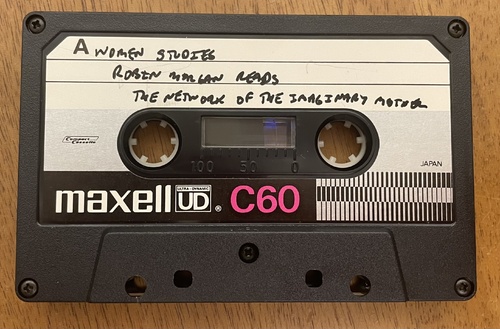
Women's Studies
Robin Morgan Reads: The Network of the Imaginary MotherRobin Morgan reads her five part poem that is " a weird love poem" to her mother, husband, friends (sisters), children, and her self. Morgan describes it as a metaphysical search for transcendence. Mentioning the goddess, the poem situates womanhood to genitalia and the body. -
Women's Press Collective Workshop (Clip 3)
A question-and-answer session with members of the Women's Press Collective, including Wendy Cadden, Judy Grahn, and Martha Shelley. They discuss how they fund their projects. The uploaded file has been cropped due to Fair Use restrictions. The full file is available at the Lesbian Herstory Archives.
-
Women's Press Collective Workshop (Clip 2)
A recording of a workshop featuring members of the Women's Press Collective, including Wendy Cadden, Judy Grahn, and Martha Shelley. The panelists describe the founding of the Collective in Oakland, California. The uploaded file has been cropped due to Fair Use restrictions. The full file is available at the Lesbian Herstory Archives.
-
Women's Press Collective Workshop (Clip 1)
A recording of a workshop featuring members of the Women's Press Collective, including Wendy Cadden, Judy Grahn, and Martha Shelley. The panelists describe the founding of the Collective in Oakland, California. The uploaded file has been cropped due to Fair Use restrictions. The full file is available at the Lesbian Herstory Archives. -
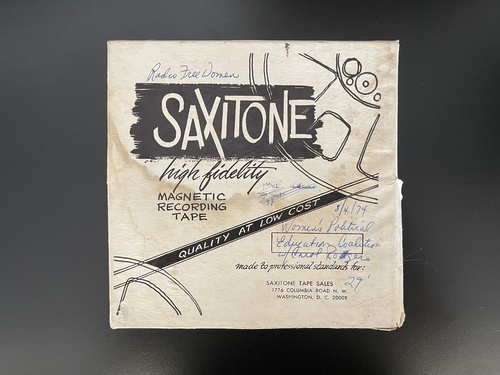
Women's Political Education Coalition with Carol Rogers
Carol Rogers is interviewed on the broad goals and current policy interests of the Women's Political Education Coalition. Discussed topics include the 1974 Washington D.C. mayoral election, childcare, employment, the minimum wage, Crime, Women's Health, and Title 34. -
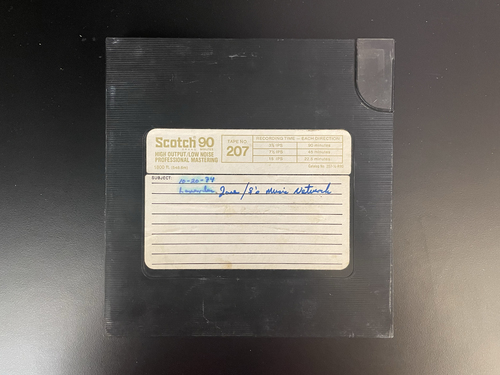
Women's Music Network Interview
Interview with Kay Gardner, executive director and co-founder of the Women's Music Network, and Lou Crimmins, performer. 1974 production of the Feminist Radio Network. Discussion of the nonprofit Women Music Network's ideals and operations supporting women in the music industry. including Lavender Jane. -
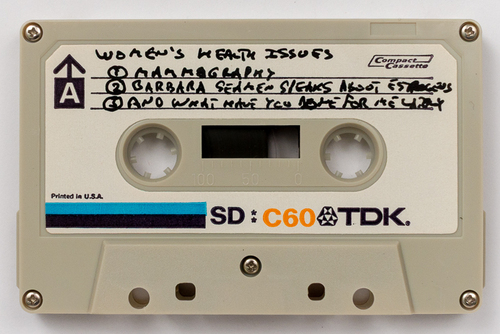
Women's Health Issues - 1) Mammography, 2) Barbara Seaman Speaks About Estrogens, 3) And What Have You Done For Me Lately
Part of special programming for Women’s Health Day Nov 5, 1977, this broadcast is described as a “medical magazine” of three short pieces. Program begins with information for local women’s health resources and details for upcoming pro-Abortion demonstration. Followed by the first segment: an interview with journalist Judith Randall regarding criticism of potential over prescription of preventative mammography. Second, they play audio from a press conference with activist Barbra Seaman about the role of Sex Hormones in Women’s health, and specifically, the need for pharmaceutical to educate about potential side effects for prescription medication. Testimony was also given from vocalist Kitty Callen. Last, they play a recording of a pro-abortion gait-prop short play by Myrna Lamb. -
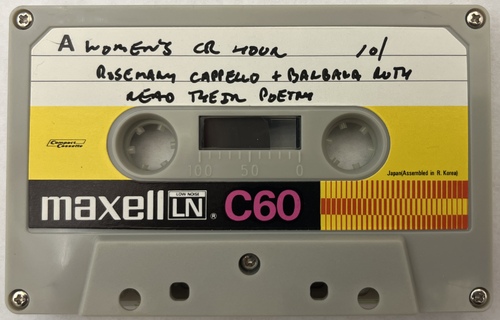
Women's CR Hour 10/ - Rosemary Cappello + Barbara Ruth Read Their Poetry
In this episode of Women's Consciousness Raising Hour, the first poet Rosemary Cappello reads a mixture of original poems and poems from friends and other notable poets, surrounding the theme of correspondence. Rosemary views correspondence as the most faithful way to show affection and grow closer with other poets. She also reads a poem that she wrote, in place of an angry letter, to respond to an anti-feminist book review.
The second poet, Barbara Ruth, opens with a poems about her awe for life: her experience knowing and being close to other women, seeing a solar eclipse. Her poems discuss women's issues, specifically, the tension between being a woman and having intense or maddening emotions, and the tensions women have with men. Her poems frequently invoke the power of women and call for a revolution. Furthermore, Barbara grapples with issues of valuing some lives over others, witnessing suffering, narcissism, and simple wanting. She also reads poems about her mother. -
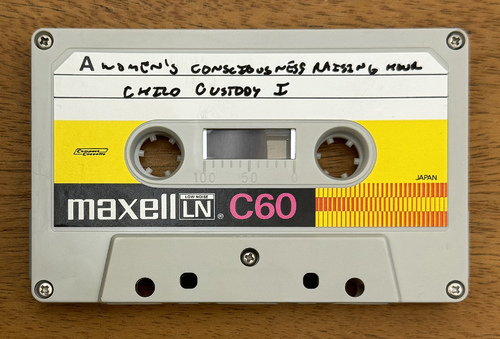
Women's Consciousness Raising Hour - Child Custody I
This episode of the Women’s Consciousness Raising Hour features a panel discussion from the Bicentennial Women's Center in Philadelphia on the topic of child custody. Cynthia Little acts as the moderator. Mike Simeone opens with a historical overview of childhood and family formation, tracing evolving social attitudes toward children and the emergence of custody as a modern legal concern. Dr. Stuart Kaplan follows with a psychological analysis of post-divorce family dynamics, emphasizing the emotional toll on children and the importance of maintaining relationships with both parents. Jennifer Baker Fleming discusses the experiences of women navigating custody and divorce, exposing systemic gender biases, economic inequities, and the emotional dimensions of motherhood within patriarchal legal systems. Rosalie Davies concludes with a discussion of custody discrimination against lesbian mothers, describing early legal challenges, case precedents, and strategies for advocacy within the emerging gay rights movement. -
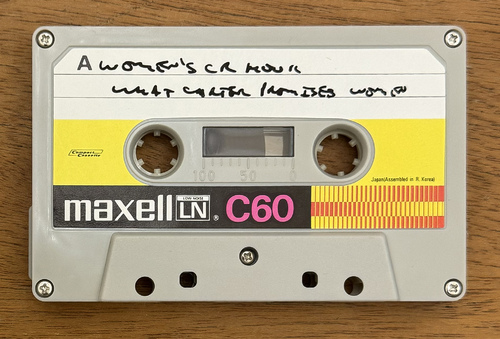
Women's Consciousness Radio Hour - What Carter Promises Women
In this episode of Women's Consciousness Radio Hour on WXPN, host Diane Trombley kicks off the program by playing a two songs by activist and musician Malvina Reynolds. One song is from the album "Virgo Rising - The Once And Future Woman," and the other is from Reynold's own album, "Held Over." Trombley then welcomes guest Joanne Wolf to the show. Joanne was convener of the Women's Health Concern Committee, a member of NOW, and also a member of the board of the Bicentennial Women's Center. They discuss women's issues in American politics with a particular emphasis on the Democratic and Republican split and the Carter-Mondale ticket / platfrom of 1976. -
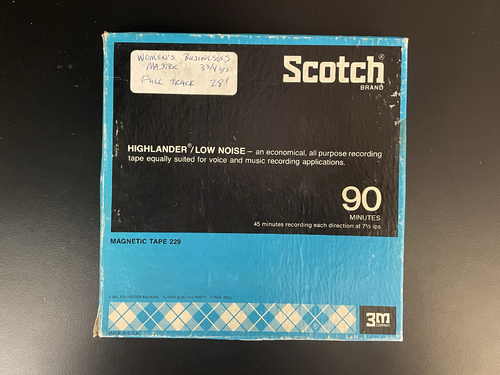
Women's Businesses
An episode of Radio Free Women in which four businesswomen discuss their work. Interviewees include (but are not limited to) Susan Sojourner of First Things First, a fe-mail order house for books for women and Sue Sasser, an auto mechanic. -
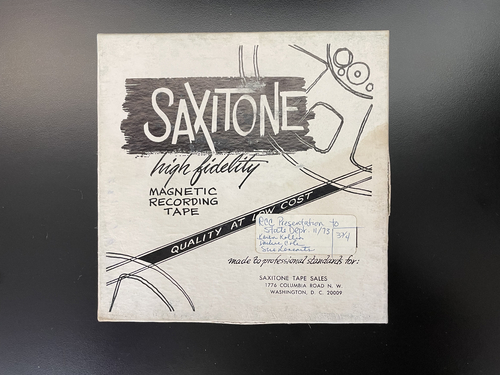
Women's Action Organization Rape Crisis Center Presentation, Washington D.C., November 1973
This is a panel introduced by the president of the Women's Action Organization, with the Vice President of the Department of State in attendance. The speakers (from the DC Rape Crisis Center) discuss sexual violence. They also discuss how the crisis center came to be and the services it offers, issues with legal definitions, how to protect women, medical support, and self-defense, among other topics. The first speaker is Karen Kollias (RCC co-founder). The end of this audio includes live instruction and demonstration of self-defense tactics. -
Women Writers
The radio episode, which is part of the Feminist Radio Network, includes recordings from a conference panel which included the writers Maxine Kumin, Alice Walker, and Grace Paley. They discuss the challenges of being women writers, how their writing processes are affected by societal gender norms, and how important women’s stories are within the individualistic, middle-class American society where female bonding is not encouraged. This episode also includes excerpts from Living, by Grace Paley, and Everyday Use, by Alice Walker. -
Women Political Prisoners
Side A - Political Prisoners: “Insight into the political nature of the imprisonment of women. Gail Simon has selected and read the writings of women who are imprisoned. Also hear music and poetry selected from the Olivia Records Album - Any Woman’s Blues, made by the Women’s Concert Collective, recorded live in the Women’s Jail at San Bruno in December 1975.” -
Women In Athletics (Tape 2)
Audio opens with live coverage of women's tennis, moves on to women's athletics discussion with Billie Jean King. Discrimination against women in tennis and athletics overall is a main focus, centering specifically on pay disparities and lack of social support for participation in sports at all ages. -
Women In Athletics (Tape 1)
Women are interviewed about their experiences in sports, feminism in spots, and the struggles that women face when playing sports seriously at any level. This includes brief interview with Olympic swimmer Melissa Belote following 1972 Olympic wins, and ends with Althea Gibson introduction. -
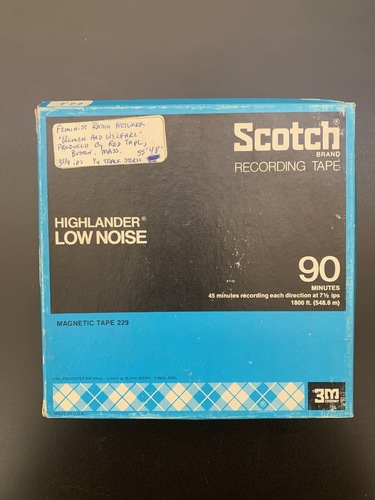
Women and Welfare
This episode is titled Women in Welfare and features discussions from Carol Brill, the director of the Massachusetts chapter of the National Association of Social Workers (NASW), and welfare advocates Kayla Taylor, and Susan Moore. This episode covers the topics of the welfare system structure, stereotypes and myths about welfare recipients, double standards working mothers face based on class, and the classism within the social work profession. Furthermore, it includes clips from governmental proceedings related to welfare and proposed cuts to welfare benefits. It ends with a discussion on how the issues within the welfare system relate to the Women’s Liberation Movement and demands economic change from politicians who fund big business and the military while disregarding the poor through welfare cuts. -
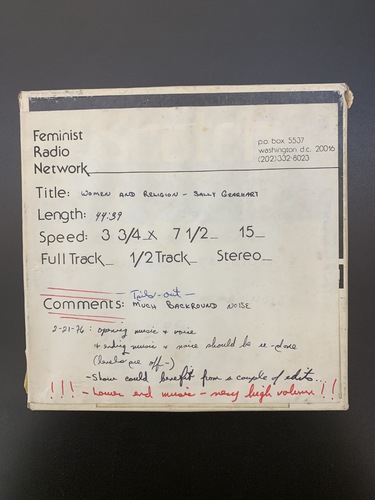
Women and Religion
In this recording, Sally Gearhart discusses how the Church enforces ideas of masculinity and feminity. The host argues that feminism is incompatible with Christianity and lesbianism allows a woman to love herself and let go of the self-hatred that society and the Church impose. -
Women Against Rape (Part 3)
This recording of the “Women’s Showcase” is the third part of three from the NYU hosted event, Women Against Rape. Ellyn Joyce the author of the poetry book “Instinct for Survival” reads selected poems from her own work. Before each reading Ellyn offers a little insight into what inspired her. At the end of the recording she discusses her work at the Bedford Hills Correctional Facility and advocates for better treatment of the women imprisoned there. -
Women Against Rape (Part 2)
This recording of the “Women’s Showcase” is the second part of three from the NYU hosted event, Women Against Rape. The opening of the recording features the conclusion of Alice McIntyre’s poetry reading. This part features poetry read by Daniella Guiseppe, Davita Singer and Margie Fine and a comic autobiographical story from Karen Mendelsohn. There are also musical performances by Rosemary Mclaughlin and a self composed piano piece from Elieen Kane, a WBAI radio host. -
Women Against Rape (Part 1)
This recording of the “Women’s Showcase” is the first of three from the NYU hosted event, Women Against Rape. This part features performances & poetry from Nina Miller, Lee Van De Velde, Alice McIntyre and music from Jazz pianist Esther Blue & singer Kathy Rose Salat. -
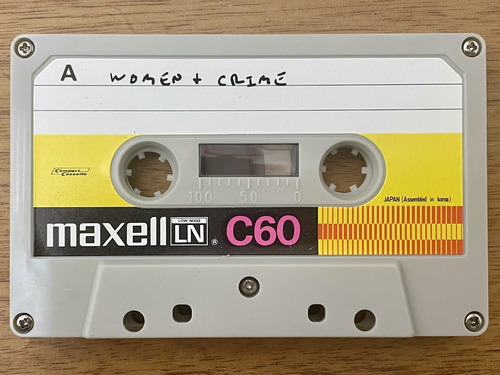
Women + Crime
Side A: In this interview, Dr. Freda Adler discusses the rise in female criminal behavior as a consequence of broader social changes, particularly women’s increased participation in public and professional life. She explains that as women gain access to new roles, they also gain opportunities to engage in crimes once dominated by men. Traditional “feminine” crimes (such as prostitution and shoplifting) are being replaced by more assertive and violent acts like armed robbery and even assassination. Adler emphasizes that this shift doesn’t stem from new motivations but from changing circumstances, and she challenges the myth of inherent female passivity by documenting the evolving cultural landscape.
Side B: This side explores how institutions—from law enforcement to the courts and prisons—have struggled to keep pace with changes in female behavior. Adler critiques the justice system’s gendered assumptions, showing how women have often received either harsher or overly lenient treatment based on outdated ideas. She also highlights discrimination in prison rehabilitation, the invisibility of women’s prison uprisings, and the psychological toll of role confusion (psychological and social uncertainty that many women face as gender roles shift rapidly) and cultural pressure. The tape closes with a call to treat women’s liberation and female criminality as separate issues, arguing for systemic reform rather than a return to traditional gender roles. -
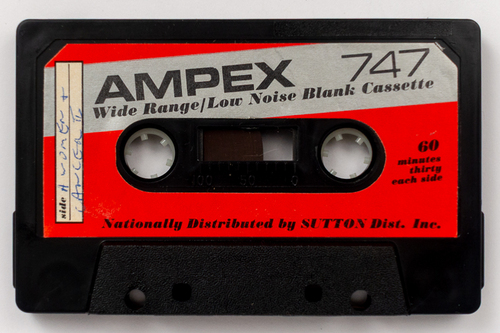
Women + Cancer II
Inscribed title "Women + Cancer II". This recording is a continuation of SPW1964, inscribed title "Women + Cancer I". This broadcast, part of an ongoing special series hosted by Viv Sutherland about the myths and realities of cancer, featured a panel of Dr. Philip Strax, director of the Guttman Breast Diagnostic Institute; Mary Overton, assistant executive director of Cancer Care; Richard Klarberg,director of the Public Health Center, the American Health Foundation; Pam Booth, co-director of Women's Health Forum; and Denise Dillon Fuge, member of the Committee on Women and Health, National Organization for Women, New York (NOW-NY). Dr. Stax, an early advocate of mammography, discusses the need for routine screening. Additional topics are the impacts of cancer on the lives of women, the politics of research and development of new detection techniques, prevention, etc. -
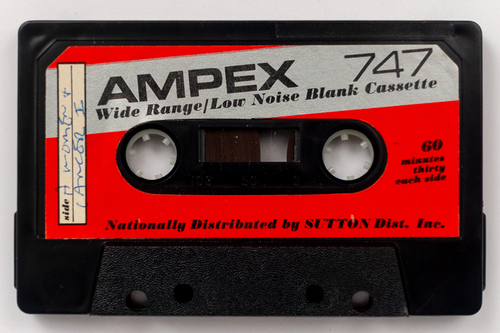
Women + Cancer I
Broadcast "Woman and Cancer," a special series hosted by Viv Sutherland about the myths and realities of cancer. Inscribed title on both sides is "Women + Cancer. Guests are Dr. Philip Strax, director of the Guttman Breast Diagnostic Institute; Mary Overton, assistant executive director of Cancer Care; Richard Klarberg,director of the Public Health Center, the American Health Foundation; Pam Booth, co-director of Women's Health Forum; and Denise Dillon Fuge, member of the Committee on Women and Health, National Organization for Women, New York (NOW-NY). Dr. Stax, an early advocate of mammography, discusses the need for routine screening. Additional topics are the impacts of cancer on the lives of women, the politics of research and development of new detection techniques, prevention, etc. Continued in SPW1965, inscribed title "Women + Cancer II". -
Womansphere Hour, October 18, 1974
Taped radio program for the lesbian community. -
Windsor, Tape 1, July 31, 1980
SIDE A Windsor discusses femme and butch roles in several lesbian relationships, and Skip’s opinion on these role changes. Windsor speaks about her relationship with Skip and difficulties of being constantly with her partner, having different money-earning capabilities, the emotions and desires in their relationship, and how they celebrated holidays together.
SIDE B (Duplicate of Side A) Windsor discusses femme and butch roles in several lesbian relationships, and Skip’s opinion on these role changes. Windsor speaks about her relationship with Skip and difficulties of being constantly with her partner, having different money-earning capabilities, the emotions and desires in their relationship, and how they celebrated holidays together.
-
Windsor, July 31, 1980 (Tape 2)
SIDE A Discussing Windsor’s memories of her relationship with Ruth also called “Skip” beginning in 1933, when they began to identify as lesbians. Past discrimination in town of Reedsville, Pennsylvania, childhood and background, and time attending Allegheny College and working in a factory. Skip came to Buffalo to study biochemistry, and enters the gay community in 1937; however Skip remained in the closet until 1975. Discussing lesbians in the medical profession in New York, and past relationships of Skip. These women attended bars such as Ralph Martin’s and Carousel in late 1930s and early 1940s.
SIDE B Windsor discusses suicides in the lesbian community. Skip was able to accept herself as lesbian, and Windsor explains why.
-
Windsor, July 17, 1980
Windsor talks about what it was like coming out and her relationships, the death of her partner and how that affected her. She also talks about the changes in gay community and what it was like being single or in love. -
-
-
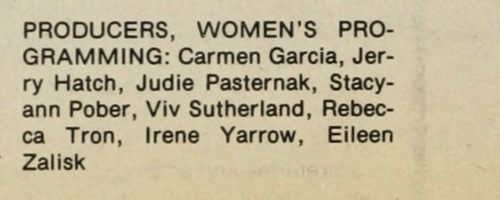
WBAI Folio "Producers, Women's Programming"
Producers, Women's Programming -
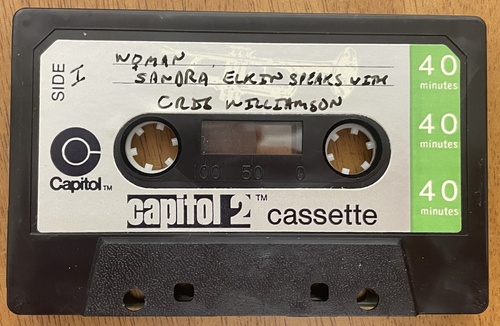
W♀man (Woman): Sandra Elkin Speaks with Cris Williamson
Woman' is a talk show featuring in-depth conversations exploring issues affecting the lives of women. This episode features a conversation with Cris Williamson, who has been a singer songwriter for the past 14 years. She currently records with Olivia Records, an all-womens recording company. Her latest release is the "Changer and the Changed." -
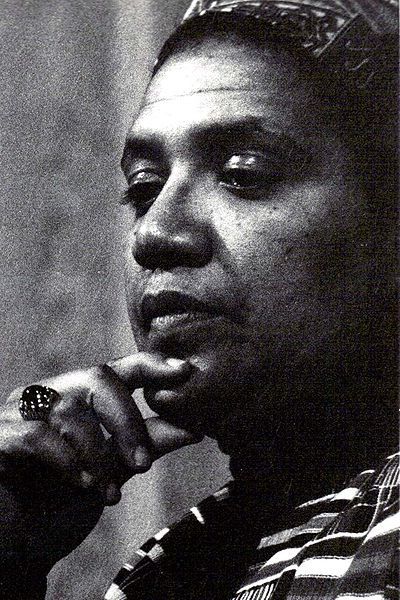
Voices of Women Writing Conference, April and May, 1982 (Tape 2)
Audre Lorde is on the panel. Lorde speaks on side A after other panelists introduce themselves an on side B. This is the recording of a Community Workshop panel, mostly discussing obstacles to women writing, specifically, black womens literature. The recordings are fairly audible aside from some inaudible speakers who are not close enough to the recording device. -
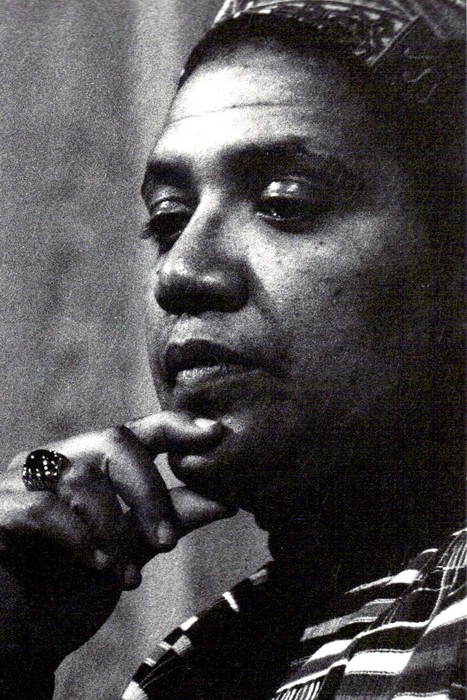
Voices of Women Writing Conference, April 30, 1982 (Tape 1)
Ms Holly makes assorted announcements then introduces Audre Lorde. She reads three poems: "For Each of You" "Poem for Women in Rage" "Sister, Morning is a Time for Miracles". Side B: Continuation of poem from Side A: "Sister, Morning is a Time for Miracles" Then reads: "After Images" Final Poem of reading: "On My Way to San Francisco I Pass Over You and the Verazano Bridge" -
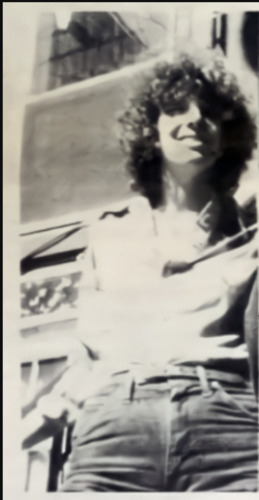
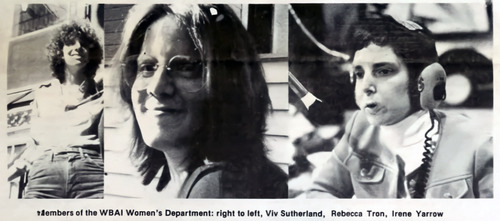
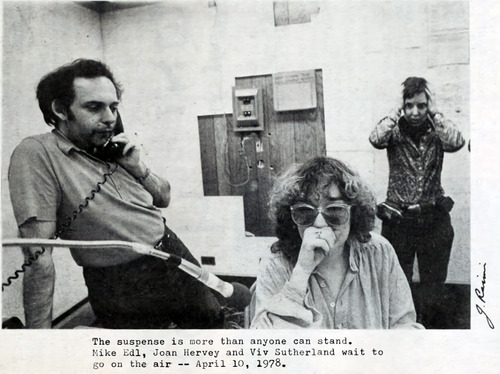
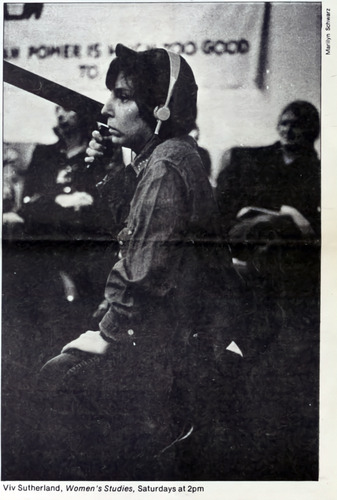
Viv Sutherland, via WBAI Folio 1970s
Viv Sutherland, via WBAI Folio 1970s -
-
-
-
-
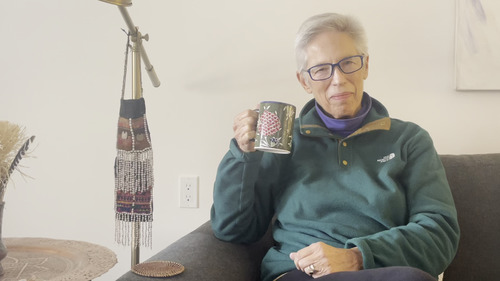
Victoria Rue Interview
In this oral history conducted by the Rossmoor Lesbian Social Club, Victoria Rue discusses growing up Catholic and her time in Catholic School and in the Convent for a short time. She talks about her first sexual encounter with a woman, living LA and then moving to New York City in 1977 to work in theater. Vitoria discusses getting a Master's of Divinity at Columbia and then a PHD in Berkley, CA and her focus on religion and the arts and exploring her identity as a Christian and a Lesbian. She talks about theater as activism, her involvement in the Women's Music Movement, and her relationship with her partner. She speaks about her relationship to both her family and her partners family. -
-
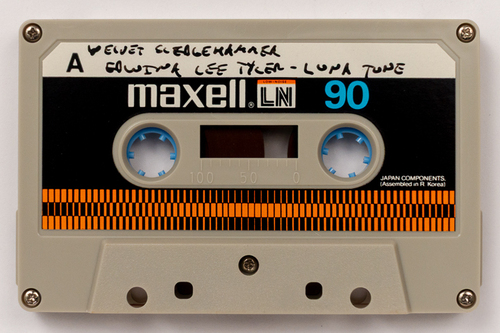
Velvet Sledgehammer - Edwina Lee Tyler - Luna Tune
Broadcast of The Velvet Sledgehamer, inscribed as "Velvet Sledgehammer - Edwina Lee Tyler - Luna Tunes" on Sides A and B. Donna Allegra interviews Ferne Yangyeitie Caulker-Bronson (Founder and Artistic Director of Wisconsin based, African dance troupe Ko-Thi), Edwina Lee Tyler (drummer of African percussions, performer, and founder/Artistic Director of African dance troupe A Piece of the World), and Luna Tunes (women’s a cappella group), who also give a live performance. -
Velvet Sledge Hammer - A Woman's Place - Kate Millet Speaks about Sita
(Side A) Viv Sutherland welcomes listeners to The Velvet Sledgehammer and announces that the show's program will include "Hot Flashes," women's news from "Majority Report"; a story on "A Woman's Place" produced by Irene Yarrow; and an interview of author Kate Millett about her book Sita (1976) conducted by Judy Pasternak and Viv Sutherland.
The first segment is "Hot Flashes," a women's news report announced by Nancy Borman. Topics covered include: an "anti-wedding" event sponsored by Majority Report to discuss the sexist details of marriage contracts, Valerie Solanas reprinting Scum Manifesto after the original publisher went out of business and the copyright reverted to her, New York's announcement of plans for a large-scale Women's Rights rally, events for Lesbian Pride Week, and a bill to legalize abortion in Italy.
Irene Yarrow then introduces a tape about "A Woman's Place," a feminist collective in upstate New York that has existed for three years but is now in danger of closing due to lack of support. Irene recorded this tape at "A Woman's Place" and features women's songs, poetry and feelings about what the retreat has meant to them. The recording begins at 19:25 and continues onto side B. Irene announces that women interested in learning about "A Woman's Place" or contributing to save it can contact her. She attributes the music in the recording to Ruth Pelham, and the poetry to Erica Silver.
Kate Millet guest stars in the last segment, discussing her new autobiographical novel, Sita, with Judy Pasternak and Viv Sutherland. Kate describes the plot of Sita as "the plotline of the woman destroyed." She rebuffs "malicious" reviews that called her work either "icky" and "pukey" or "pornographic" for being queer. She considers these reviews to be motivated by bigotry. Kate recounts that a major motivation in writing Sita was to describe the loss of a lover, which she felt does not exist in any other book. She says she wanted to "write a very musical and very romantic book in praise of love: in praise, even, of its melancholy and possible futility." Kate also discusses hoping for "company" in writing "these kinds of books," but that she is alone in having to "take abuse" for them. With Judy Pasternak and Viv Sutherland, Kate Millett reflects on activism and efforts to dismantle the patriarchy. The interview closes with discussion of Kate's visual art. -
Unused Portion of Health Show
Discusses health administrations and hospitals disregarding women's wishes when giving birth, and taking the newborn away leaving the mother to wait for days to see the baby. The show also highlights women being rushed through birth, the instrumental nature of nurses, and complications with doctors. It focuses on connecting medicine with feminist ideology to insure legal change and rights protection. -
Unstuck in Time w/ Margot Adler - 9/5/75
Notes on back: "Return from Vacation"
"Prospectus for 'Season'" "Feminism"
"Synthesis of Politics + Spirituality"
"Ms.Magazine September 1975 + Akwesasne Note" -
Unstuck in Time - Magic
Side A: Margot Adler discusses the various definitions of "occult" and "magic" as expressed by four groups in society: the uneducated, the educated, scholars, and practicitioners. Adler contends that the way these words are defined reflect social conditioning and shape the conversation around spiritual practice and occult study. She proposes a definition that is not mystical nor supernatural that she explores and expounds upon throughout the program. To this end, Adler relates an experience she had visiting and working within a small farming community of magic practitioners and how their understanding of magic as the "art of getting results" applied to their lives. One psychological element that Adler focuses upon is charisma and how the charisma of individuals or communities is itself a magical quality.
Side B: There is a call in portion at the end of the program wherein Adler and callers talk about Rorschach and the Tarot, therapist role within witchcraft, New York magical and spiritual communities, and ends with a more heated discussion regarding the divisions between magic and science. -
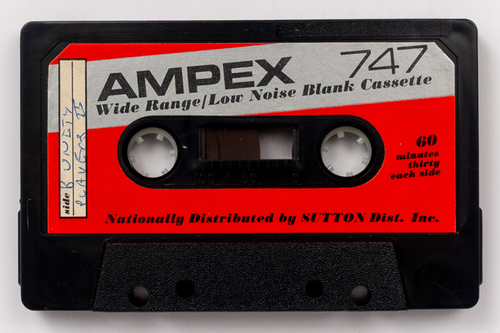
Unity Players II
Broadcast of Practice, inscribed title "Unity Players II," coninuing from the first half of the interview which is conatined by SPW1917 inscribed title "Unity Players I". Host Paul interviews members of the Unity Players, a women's theatre group from Vermont, about their new play Touchpoint, which was put on in the WBAI studios that evening. -
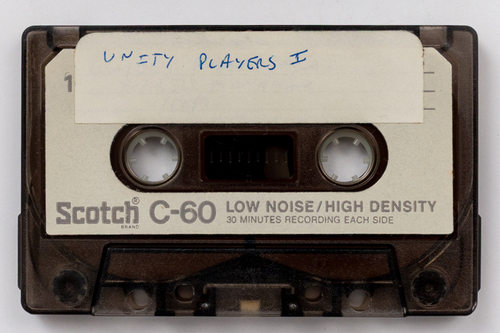
Unity Players I
Broadcast of Practice, inscribed title "Unity Players I". SPW1918 inscribed title "Unity Players II" contains the second half of this interivew. Host Paul interviews members of the Unity Players, a women's theatre group from Vermont, about their new play Touchpoint, which was put on in the WBAI studios that evening. -
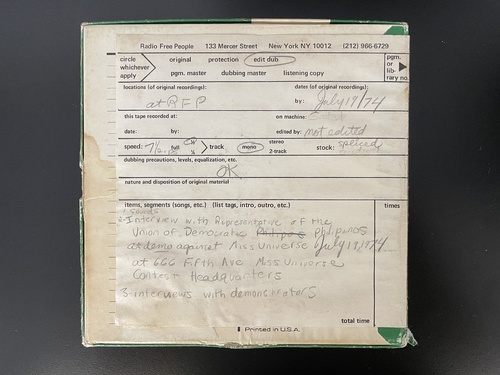
Union of Democratic Filipinos
Interview with Representatives of the Union of Democratic Filipinos at protest against Miss Universe pageant being held in the Philippines as well the Marcos regime and increasing US involvement in Filipino affairs -
To Morgan Gwenwald With Love Stella Rush November 27, 1988 Side B
Stella Rush records a live standup performance of a western comedian. She is continuing her “letter” to Morgan at home. She talks of various things: cartoons, her cat, her grandmother Elizabeth “Lizzie” Dietrich, how she was named Stella, wonders what may happen to the recording, her personalities John and Elizabeth, her parents, Del and Phil, and offers words of advice. Throughout the recording she coughs due to asthma. The recording is suddenly cut off at the end. -
To Morgan Gwenwald With Love Stella Rush November 27, 1988 Side A
A woman named Stella Rush records a tape for Morgan while she’s driving. She discusses her life, recent personal events, her hopes for the future, and her current worries. She talks about Sandy in the hospital, her personalities John and Keith, sings a song (“The Gambler”), and mentions sleeping difficulty. She continues to talk about cancer groups, AA and ALA meetings, and imaginary scenarios. The recording is suddenly cut off at the end. -
To Morgan Gwenwald from Stella Rush, November 2, Side B
Stella talks about a tape that she created on June 19th of 1987 (Side A) and is grateful for a reunion she recently had with her friends. -
To Morgan Gwenwald from Stella Rush June 4, 1987 and June 5, 1987 #2 Side A
Stella talks about reuniting with her old friends and passing the torch to new, young activists. She also discusses her struggle with addiction and how she moved past it. -
To Morgan Gwenwald from Stella Rush June 2, 1987 Side A
Stella Rush records a tape for Morgan. She discusses her life and her struggles, and how recording tapes for others helped her to express herself when she was too depressed to write. She mentions nonchalantly at beginning of tape that she won't stop at a Denny's because they once refused her service. -
To Morgan Gwenwald from Stella Rush June 2, 1987 Side B
Continuation from "To Morgan Gwenwald from Stella Rush June 2, 1987 Side A"
-
To Morgan Gwenwald from Stella Rush June 19, 1987, Side A
Stella Rush records her thoughts while on a road trip and talks about a car accident she had in the past and what it was like to travel through Central City, L.A. -
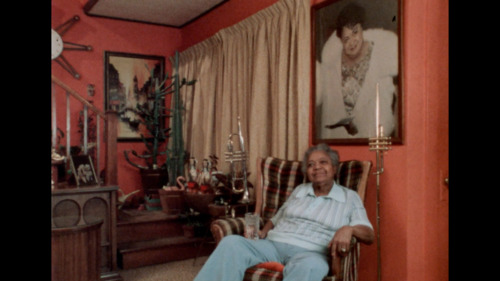
Tiny Davis Interview
A portion of the 1988 documentary entitled "Tiny & Ruby: Hell Divin' Women", which was made by Jezebel Productions as a tribute to Tiny Davis and Ruby Lucas.
In the documentary Tiny talks about how she started playing the trumpet, moving to Kansas City and getting involved in the music scene. She travelled and played with the Harlem Play Girls and then the Sweethearts. Tiny and Ruby talk about how they met and the after hours spots in Kansas City where women could be with women. They talk about how they left Kansas City and the formation of Tiny Davis Hell Divers. Tiny says she is ready to keep working and playing even at 76 years old. Also featured in the clip is Tiny’s daughter who talks about how she enjoyed playing music with her mother for 10 or 15 years. She says there wasn’t any song requested they couldn’t play.
Note: This portion contains no audio but contains Tiny and her daughter. -
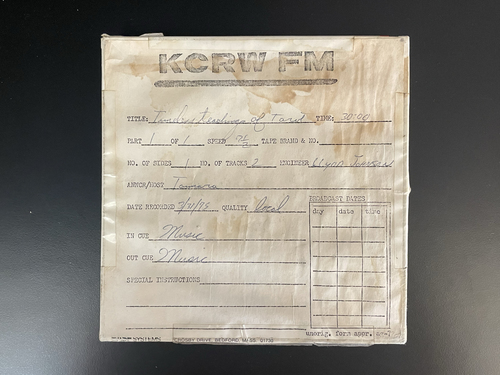
Timeless Teachings of Tarot
John Cox introduces a radio show on KCRW in which psychic Tamara Hearsay [sp?] gives an astrological forecast for Aries and answers letters from the audience. -
Ti-Grace Atkinson, Theories of Logic (Tape 3)
In part 3 of the recording of Ti-Grace Atkinson, she continues her discussion on the elements of logic. In Part 3, she further discusses different social movements and their analysis of their own oppression. -
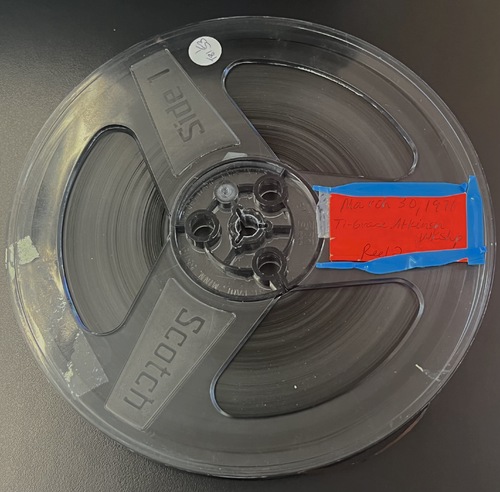
Ti-Grace Atkinson, Theories of Logic (Tape 2)
In Part 2 of the recording of Ti-Grace Atkinson, she further discusses elements of logic. She connects these elements of logic to oppression and the Women’s Movement. She starts to connect the abstract elements of logic to social issues and includes a discussion of the class system based on the writings of Karl Marx. -
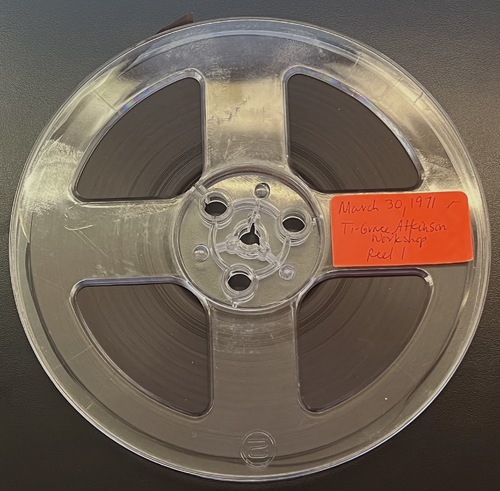
Ti-Grace Atkinson, Theories of Logic (Tape 1)
Part 1 of the recording of Ti-Grace Atkinson, a writer and philosopher who was part of the Women’s Movement in the 1970s, discusses elements of logic and different academic theories around logical thinking. She connects these elements of logic to oppression and the Women’s Movement. Part 1 mainly covers abstract theories of logical thinking. -
Ti Grace Atkinson, Tape 9 of 10, Side B
This sound recording captures workshop discussions led by Ti Grace Atkinson at the Daughters of Bilitis office. -
Ti Grace Atkinson, Tape 9 of 10, Side A
This sound recording captures workshop discussions led by Ti Grace Atkinson at the Daughters of Bilitis office. -
Ti Grace Atkinson, Tape 8 of 10, Side B
This sound recording captures workshop discussions led by Ti Grace Atkinson at the Daughters of Bilitis office. -
Ti Grace Atkinson, Tape 8 of 10, Side A
This sound recording captures workshop discussions led by Ti Grace Atkinson at the Daughters of Bilitis office. -
Ti Grace Atkinson, Tape 7 of 10, Side B
This sound recording captures workshop discussions led by Ti Grace Atkinson at the Daughters of Bilitis office. -
Ti Grace Atkinson, Tape 7 of 10, Side A
This sound recording captures workshop discussions led by Ti Grace Atkinson at the Daughters of Bilitis office. -
Ti Grace Atkinson, Tape 6 of 10, Side B
This sound recording captures workshop discussions led by Ti Grace Atkinson at the Daughters of Bilitis office. -
Ti Grace Atkinson, Tape 6 of 10, Side A
This sound recording captures workshop discussions led by Ti Grace Atkinson at the Daughters of Bilitis office.Tags Ti Grace Atkinson -
Ti Grace Atkinson, Tape 5 of 10, Side B
This sound recording captures workshop discussions led by Ti Grace Atkinson at the Daughters of Bilitis office. -
Ti Grace Atkinson, Tape 5 of 10, Side A
This sound recording captures workshop discussions led by Ti Grace Atkinson at the Daughters of Bilitis office. -
Ti Grace Atkinson, Tape 4 of 10, Side B
This sound recording captures workshop discussions led by Ti Grace Atkinson at the Daughters of Bilitis office. -
Ti Grace Atkinson, Tape 4 of 10, Side A
This sound recording captures workshop discussions led by Ti Grace Atkinson at the Daughters of Bilitis office. -
Ti Grace Atkinson, Tape 3 of 10, Side B
This sound recording captures workshop discussions led by Ti Grace Atkinson at the Daughters of Bilitis office. -
Ti Grace Atkinson, Tape 3 of 10, Side A
This sound recording captures workshop discussions led by Ti Grace Atkinson at the Daughters of Bilitis office. [THIS FILE DUPLICATES FILE "SPW159_DOB ATKINSON #3 SIDE B_"] -
Ti Grace Atkinson, Tape 2 of 10, Side B
This sound recording captures workshop discussions led by Ti Grace Atkinson at the Daughters of Bilitis office. -
Ti Grace Atkinson, Tape 2 of 10, Side A
This sound recording captures workshop discussions led by Ti Grace Atkinson at the Daughters of Bilitis office. -
Ti Grace Atkinson, Tape 10 of 10, Side B
This sound recording captures workshop discussions led by Ti Grace Atkinson at the Daughters of Bilitis office. -
Ti Grace Atkinson, Tape 10 of 10, Side A
This sound recording captures workshop discussions led by Ti Grace Atkinson at the Daughters of Bilitis office. -
Ti Grace Atkinson, Tape 1 of 10, Side B
This sound recording captures workshop discussions led by Ti Grace Atkinson at the Daughters of Bilitis office. -
Ti Grace Atkinson, Tape 1 of 10, Side A
This sound recording captures workshop discussions led by Ti Grace Atkinson at the Daughters of Bilitis office. -
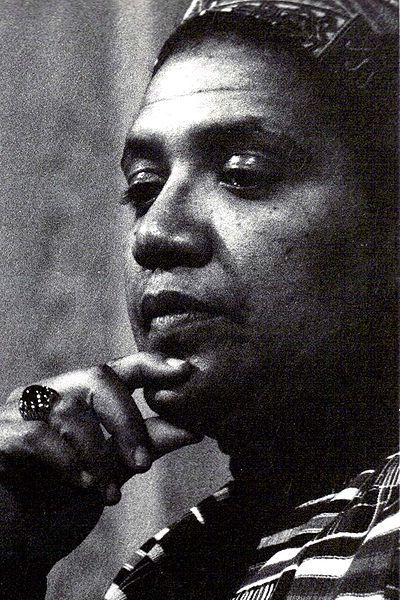
Third World Lesbian Writers Conference featuring Audre Lorde, Yvonne Flowers, and Robin Christian, 1979
Audio recording of the Third World Lesbian Writers Conference that took place on March 24, 1979. This is one of two tapes from the workshop, the second tape is missing. This is a workshop with Audre Lorde, Yvonne Flowers, and Robin Christian. Audre Lorde is on Side 1. Joan Nestle, Deb Edel, and Candice Wood are mentioned. -
-
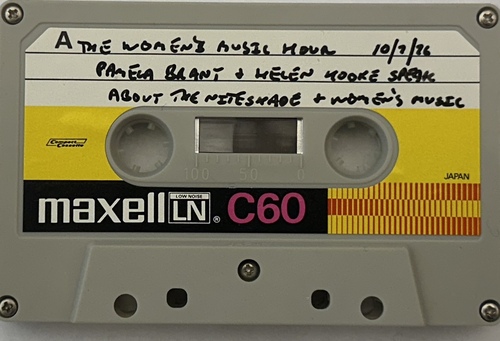
The Women's Ausie Hour 10/7/76 - Pamela Brandt + Helen Kooke Speak about the Niteshade + Women's Music
This episode of The Women's Music Hour contains an interview with Pamela Brandt and Helen Hooke, who make up one of the first American all female bands, The Deadly Nightshade. -
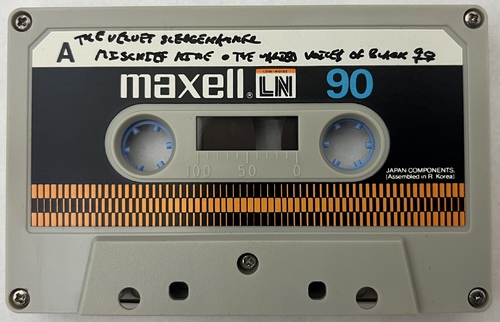
The Velvet Sledgehammer - Mischief Mime + The Varied Voices of Black ♀♀ (Women)
Donna Allegra hosts members of The Varied Voices of Black Women, a touring poetry and music production, on The Lesbian Show. Guests include poet Pat Parker, singer and percussionist Linda Tillery, pianist Mary Watkins and Gwen Avery. -
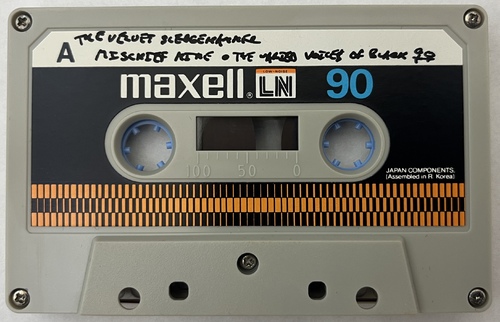
The Velvet Sledgehammer - Mischief Mime + The Varied Voices of Black ♀♀ (Women)
On this episode of The Velvet Sledgehammer, Donna Allegra interviews members of Mischief Mime, a two woman theater troupe from Ithaca, New York. Mischief Mime tours and teaches nationally to prove artists can make it outside of the larger cities. -

-
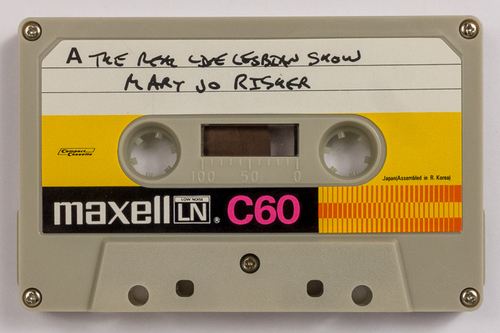
The Real Live Lesbian Show - Mary Jo Risher
Broadcast of The Real Live Lesbian Show, noted as “The Real Live Lesbian Show - Mary Jo Risner,” on both side A and side B. In this broadcast, Rebecca Tron (one of two hosts) interviews Mary Jo Risher and her partner Anne Forman, in promotion of Risher’s book By Her Own Admission: A Lesbian Mother’s Fight to Keep Her Son. Risher lost her son in a highly publicized custody battle with her husband. She was discriminated against for being a lesbian. Note that Risher’s name is misspelled on the inscribed title. -
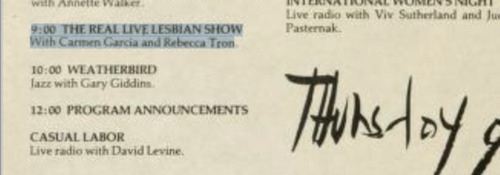
The Real Live Lesbian Show
The Real Live Lesbian Show -
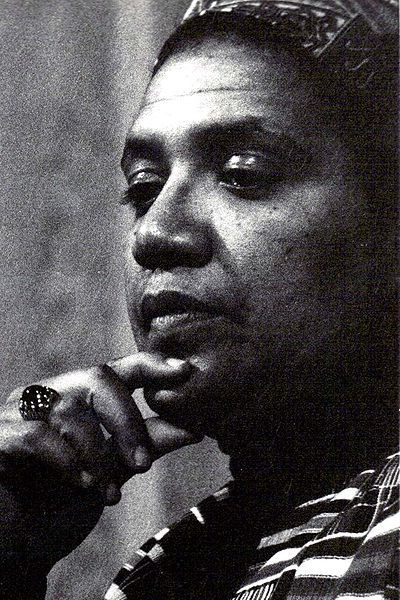
The Personal or the Political - II / Conference on Feminist Theory, 1979
Audre Lorde continues her presentation as part of “The Personal and the Political” panel held at the Second Sex Conference on September 29, 1979. Audience members pose questions and make comments regarding the intersections between race, class, sexual orientation, and gender and feminism in response to Audre Lorde’s speech, “The Master’s Tools Will Never Dismantle the Master’s House”, from SPW1155.