
Browse Items (771 total)
Sort by:
-
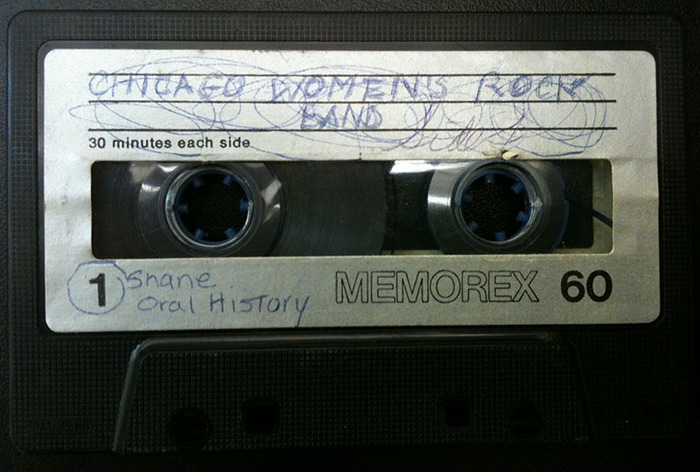
Shane, undated (Tape 1)
Shane talks about getting into trouble during her teenage years and how her father kept sending her to all-girls schools thinking it would straighten her out. She speaks about gay bars in Buffalo and Pittsburgh. She tells a story about running away from home to pursue a relationship, ending up involved with hustlers and begging her father to help her stay out of jail. She talks about moving back to Buffalo, getting a job, and how things have changed.Tags Atheism, Bars, Education, Families, Fathers, Friendship, Mothers, Oral history, Parents, Relationships, Religion, Sex work, Work -
Shane, undated (Tape 2)
Shane talks about running away from home with two girls after her father forced her to leave home. She then lived as a man in New Orleans under an assumed identity. She was arrested and held for 72 hours on suspicion of robbery. She recalls the people she met during her stay in jail. -
Shane, undated (Tape 3)
Shane talks about the different lives she led during her youth. These different roles included working a job at Goodwill, dating and living with hookers on the weekends, and studying to become a Methodist minister as a man. She then talks about her current career as a trucker. -
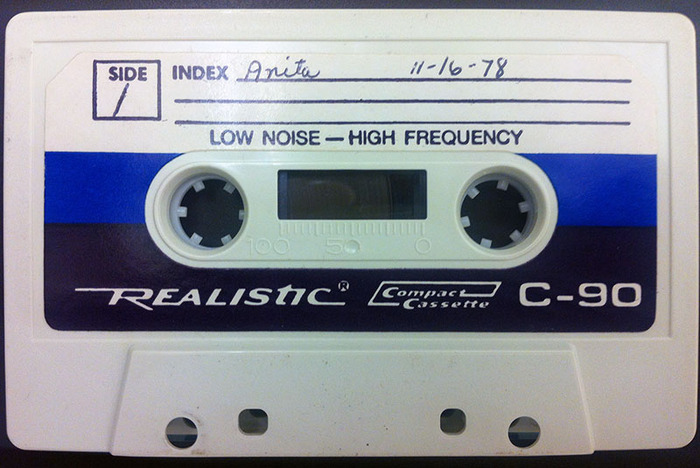
Anita, November 16, 1978 (Tape 1)
Anita talks about her first encounters with a relationship with a woman. She then speaks about the difficulties of raising her child. She also talks about the roles of Butch and Femme. -
Anita, undated (Tape 2)
Anita talks about being in an interracial relationship with a white woman, and the roles of butch and femme. -
Windsor, July 17, 1980
Windsor talks about what it was like coming out and her relationships, the death of her partner and how that affected her. She also talks about the changes in gay community and what it was like being single or in love. -
-
Judy, February 5, [year unknown]
Judy describes her experiences over the past thirty years up to the point of the interview. Topics discussed include cheating (“playing around”), polygamous lesbian relationships, fights in bars, holiday celebrations, friendship, same-sex marriage, religion, drinking, drugs, crime, mental health and treatment of lesbian women, the commonality of lesbian women seeking psychiatric treatment, the working environment for lesbian women, living alone, families of lesbian women, and one case of a lesbian woman raising a son. Judy believes that lesbian women should not raise children and has an extensive discussion about her reasoning. She ends the interview by discussing movie stars and entertainers that were popular among the lesbian community in the 1930s and 1940s. -
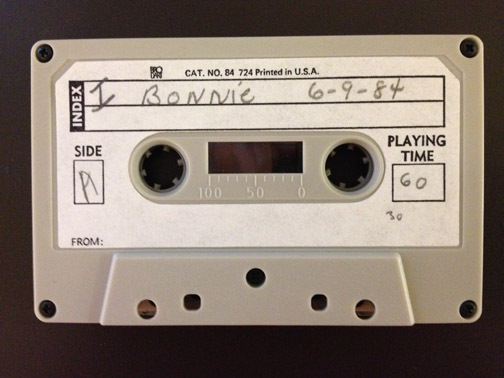
Bonnie, June 9, 1984 (Tape 1)
Bonnie discusses the lesbian community in which she came out and lived during the 1960s. She describes the difference of experience for butch and femme lesbians in public during this time, the roles butches and femmes play within relationships, and the social expectations involved. Other topics include Bonnie's lesbian mother, alcoholism, lesbian bars, Bonnie becoming actively gay at Catholic school, her way of flirting, and monogamy and infidelity within the lesbian community. -
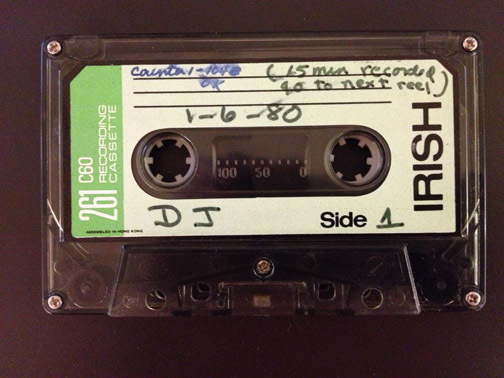
DJ, January 6, 1980 (Tape 1)
DJ discusses the time she went to the hospital and was diagnosed as a homosexual. She remembers that the doctor suggested she try going out with a man to determine the extent of her feelings toward women. She also recalls that the doctor told her she must learn to live with society and to control her emotions in public. -
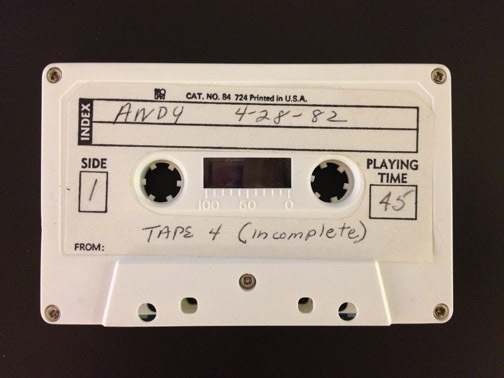
Andy, April 28, 1982 (Tape 4)
At the start of the interview, Andy talks about the first time someone asked her about sex. She talks about her experience going with hookers. She discusses butches and femmes and argues that femmes aren't "true" lesbians. -
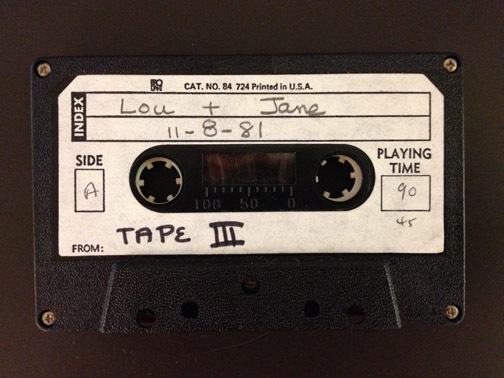
Lou and Jane, November 8, 1981 (Tape 3)
The interviewee discusses the time she considered getting a sex change. She talks about religion. At the end she talks about getting respect. There is significant distortion at the end of the tape.
Lou and Jane discuss their sexual relationship and further aspects of female sexuality. -
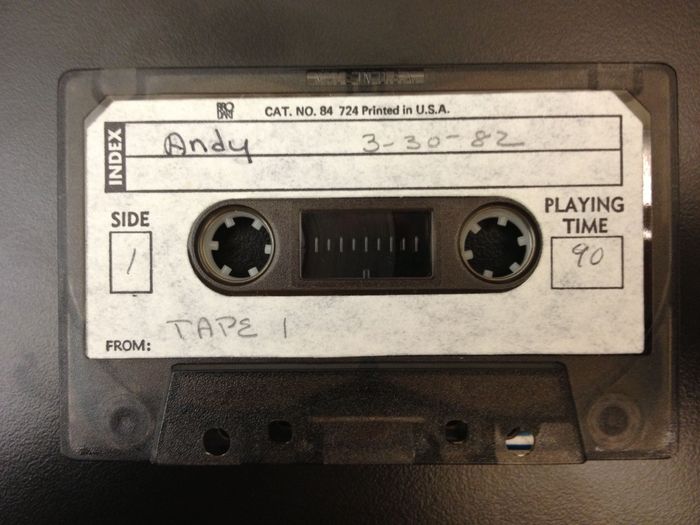
Andy, March 30, 1982 (Tape 1)
Andy discusses the history of gay rights in Buffalo, New York, and describes how it feels like to be open about her sexual identity. She shares some of her childhood and early adulthood experiences in the 1950s and 60s –her first relationships and confronting the risk of losing her job. Other topics discussed include the gay and lesbian bar scene, raids, prostitution, butch and femme roles, and Andy’s experience within the African American gay community. -
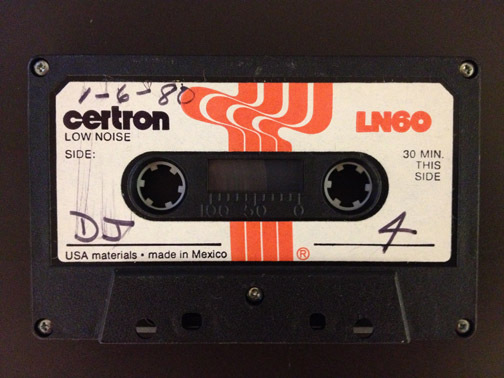
DJ, January 6, 1980 (Tape 3)
Side A: DJ continues her interview from tape SPW513. She finishes discussing her romantic relationships then moves on to discuss gay literature, specifically The Well of Loneliness. The topic of workplace discrimination is mentioned. DJ discusses relationships in the community through the venue of gay and straight bars. Relationships between straight men, lesbians, and bisexual women are discussed as well as race relations. Side B: DJ covers the topic of prostitution in the lesbian community. She speaks about the choice some lesbians make to marry men and have kids. -
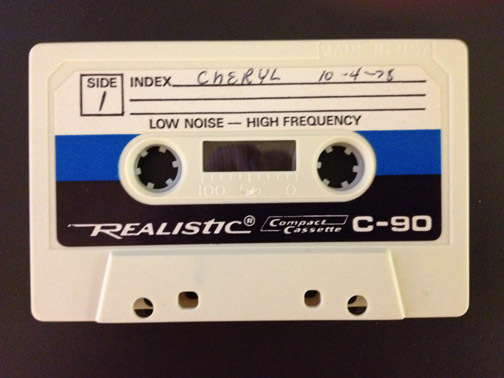
Cheryl, October 4, 1978 (Tape 1)
Side A: Cheryl discusses her experiences and the stereotypes that were associated with lesbians in college when she first first came out.
Side B: Cheryl discusses her relationships, including sexual relationships and partnerships. She shares her experiences and opinions about affairs, and monogamous and non-monogamous relationships. Generational differences within the lesbian community are also discussed. -
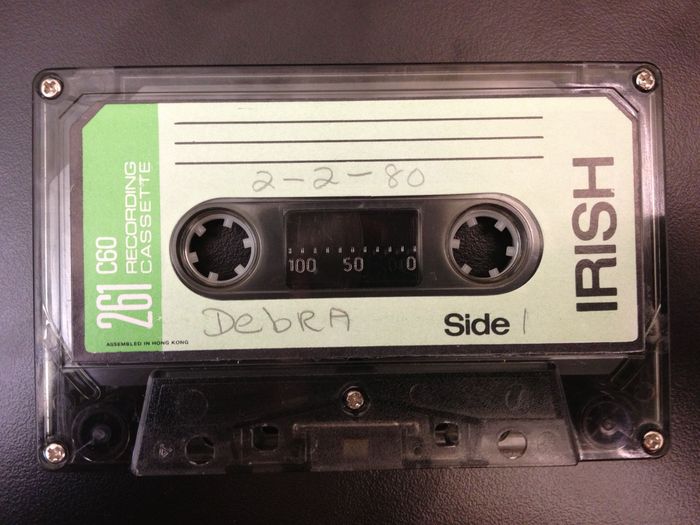
Debra, February 20, 1980 (Tape 1)
Debra discusses her experiences as a lesbian. She talks about her first lesbian relationship when she was 12, how she was married for one day, how her mother knew something was different about her, and how her sister figured out she was a lesbian because she was only married for one day.
She talks about her relationships with women, how she never openly acknowledged that she was gay but if she was asked she wouldn’t deny it.
They discuss monogamy, she was mostly faithful, but she also talks about jealous partners and how when one is accused of things, one might as well and go ahead and do it.
She doesn’t believe that a lesbian relationship is any different than a straight relationship.
They discuss bars and areas in Buffalo that she would frequent: Moon Glow bar, Pearls bar, Ralph Martins, Ryan’s Hotel, Little Harlem. They also discuss dating rituals, fashion, and relationship/ courting roles. -
Judy, January 6, [year unknown]
Judy talks about her relationships with three different women and the role they each played in the relationship. She talks about gender identities and one relationship with a woman who wanted to be a man and had very mixed gender roles. She talks about not being able to talk about her relationships with her mother, yet comparing her relationship to that of her mother and father. She speaks about losing sexual interest in her partner and moving from an intimate relationship to just a friendship. -
DJ, January 6, 1980 (Tape 2)
DJ discusses her early experiences with women as a teenager, her feelings of being a tomboy, and her coming-out experience. She discusses her experiences in the bar scene in Buffalo in the 1950s, and describes ways in which women would interact with each other, but publicly and privately. DJ also discusses roles in relationships, particularly the butch and the femme. -
Judy, November 25, [year unknown]
Judy shares detailed aspects of her life as a gay woman in the 1940s; she talks about the first time she felt attracted to another girl at age nine, and what it felt like when she came out in 1944. The interview brings to light the array of conflicts and fears she experienced growing up at the heart of a devout Italian family in Buffalo, and the difficulties faced as a young woman living in New York City at the end of World War II. Some of the topics discussed include working conditions, relationships, gay and lesbian bar scenes, popular music, butch and femme, and clothing styles. -
Lou and Jane, November 8, 1981 (Tape 4)
Lou and Jane discuss what life is like as an interracial lesbian couple. They discuss how white "studs" feel threatened by black "studs", feeling they will steal their women. Alcoholism is briefly discussed. They also discuss having to tell lies to their family to prevent them from knowing about their sexuality.
On Side B- Jane begins with her experience as Fem lesbian, and her difficulty with what that means to her. She talks about her difficulty with coming "out", and then is interrupted by one of their children.
Lou discusses her relationship with her Fem partner (Jane), as someone who self-identifies as a Butch. She discusses her choices in life, and her commitment to her relationship, her partner, and her family. She also talks about her disillusionment with the future, and her lack of hope for change. Lou references Jane's feelings, and her hope for Jane to recognize what it means to be a Fem.
-
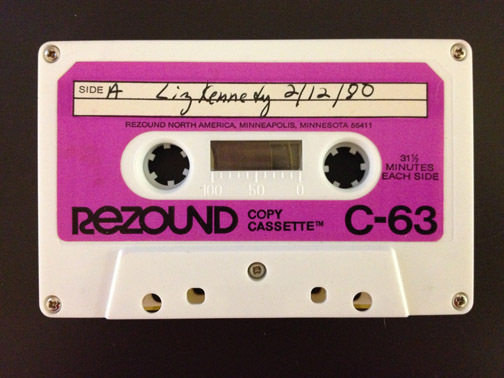
Liz Kennedy, 1980 (Tape 2; no Tape 1)
This tape is part of a roundtable discussion between different researchers working on aspects of lesbian social history. Liz Kennedy discusses the early stages of work on the Buffalo lesbian community and how the project was changing from strictly an oral history and becoming a book. She also talks about how the interview format and questions have changed as a result of the earlier attempts and how they were surprised by some of what they were beginning to learn.Tags Liz Kennedy -
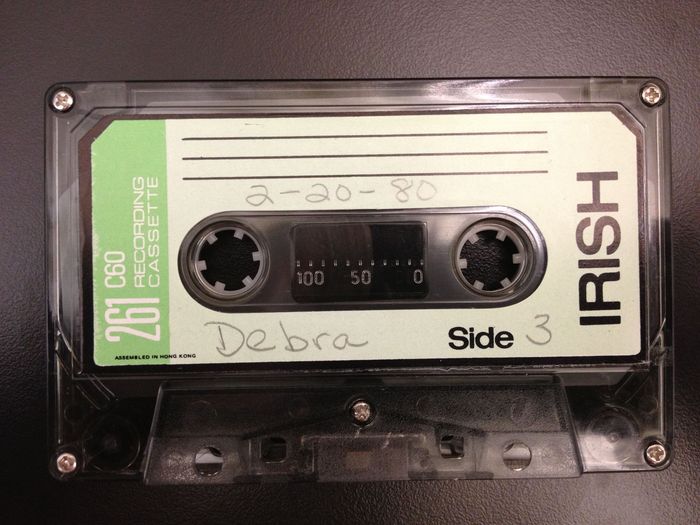
Debra, February 20, 1980 (Tape 2)
Discusses her child, a son. He was the product of her one-day marriage. She kept him for about 8 months and then her brother and his wife took him and raised him. He would spend the summers with her until he was 12 and then he lived with her and spent the summers with her brother and his wife.
Believes lesbians make better mothers because they know more. She didn’t want her son to go into gay life because she felt it would be difficult for him, she doesn’t believe that gay men relationships last. She believes you can teach someone not to be gay.
They talk about gay men and lesbian relationships and social interactions. She would call upon her gay male friends to be her date to events that she needed a date, also sometimes family events. They talk about marriages between a gay man and gay woman. Debra says that she knew quite a few couples who had done that to put up a front, but that those relationships always worked out well. Debra also talks about marriage between two women. She never wanted to get married but knew women who did.
They also discuss alcoholism and drugs among the gay community.
On the second tape, Debra further discusses fights in the lesbian community. Madeline asks if she knew any lesbians who played sports in the 1940s and 1950s. Debra believes lesbians played sports but cannot definitely say so. -
Andy, April 20, 1982 (Tape 2)
Andy further discusses how she came to construct her butch image. She recalls getting into fights with men and having to give up good jobs because she refused to give up her queer image and identity. She discusses her clash with a teacher when she was in school in the 1950s. She describes her relationship with a prostitute and other close relationships. On side B she talks about breaking into the butch scene and coming out. Andy talks about gay bars and places queer women were welcome or not. She discusses fashion and explains why they wore their t-shirts backward. -
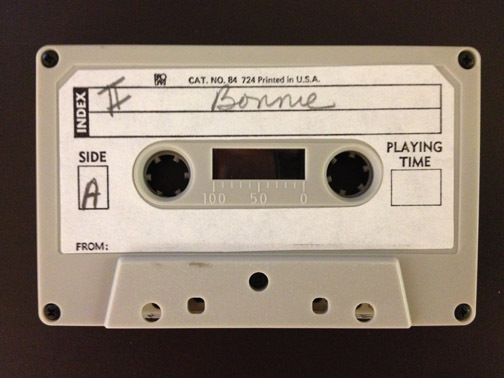
Bonnie, June 9, 1984 (Tape 2)
Bonnie discusses rules of conduct within the lesbian community, including domestic violence, beginning and ending relationships, identifying as butch or femme, and domestic roles. Other topics include prostitution with women and men, bisexuality, definitions of lesbianism, types of relationships, and her rules of attraction. -
Lou, October 21, 1981 (Tape 2)
Lou discusses her experience raising children as a lesbian woman, discussing at length her love of children, and wanting them to have a better life then she did. She also discusses her experience with police harassment as both a black women, and a lesbian.
Side B includes songs about lesbians, their lives and realities, and their relationships with children and their families. -
Cheryl, October 4, 1978 (Tape 2)
In the first few minutes of this tape Cheryl and the interviewer have a casual conversation discussing topics as, a gay computer dating services and gays in the service
Later in the tape Cheryl discusses how her relationships fall into patterns. From there she list characteristic she is attractive to in a partner.
-
Charlie, January 7, 1989
Charlie talks about her life as a lesbian after twice being married to men. She discusses having two long committed lesbian relationships and the differing dynamics between her and those partners as a reflection of her age and comfort with herself. Charlie identifies as a Femme, and the Butch / Femme dynamic is explored. There is also discussion of her mother’s reaction to her lifestyle and the not somewhat non-forthcoming dynamic with her daughter.
Note: To listen to this recording, please contact the Lesbian Herstory Archives to make an appointment. -
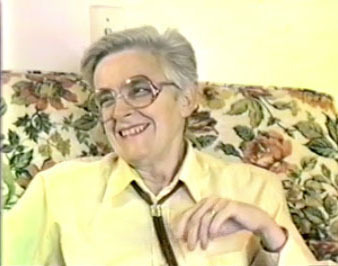
Stella Rush and Helen Sandoz (aka Sten Russell and Helen Sanders) Interview, May 15, 1987 (Tape 1 of 3)
Stella Rush and Helen Sandoz discuss personal experiences about living as a lesbian in the late 1930's and early 1940's, Sandoz choosing to remain off camera for the interview. Featuring anecdotes of when they realized they were lesbians, career choices, and the story of their relationship. -
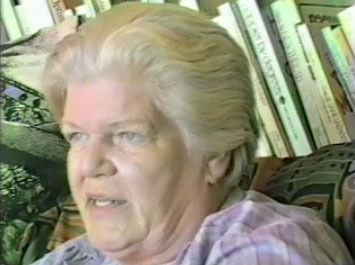
LHA Daughters of Bilitis Video Project: Del Martin and Phyllis Lyon, May 9, 1987 (Tape 2)
Del Martin and Phyllis Lyon discuss changing attitudes of mental health care professionals towards lesbianism, contemporary support networks for lesbians. They are interviewed by Manuela Soares. -
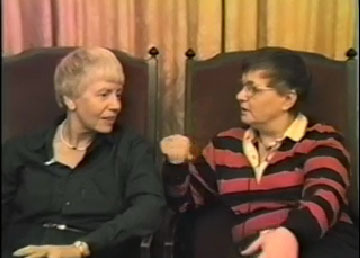
Lois Johnson and Sheri Barden Interview, April 1, 1989
The interview begins with Lois Johnson, who discusses when she realized that she was a lesbian, which caused her to move out to California and take a job in journalism. It was there that she met a woman who eventually became her lover, and they used to play music together. Sheri Barden talks about her social life after she met Lois Johnson, though she did like to party with her landlord, who was also a lesbian, though these social affairs pretty much came to an end when her relationship began with Lois.
On tape 2, Lois Johnson discusses expressing herself emotionally, and how she repressed her anger initially, unlike Sheri, who would often explode, leading to a lot of crying in the early part of their relationship. However, she continues to believe in love and commitment, and credits Sheri for having a great sense of humor. Sheri Barden also talks about her businesses, including a bed and breakfast that houses many lesbians. The two then reminisce on what they have in common, including their love of cats. -
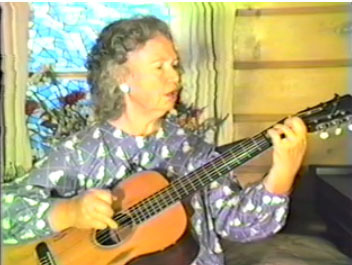
Edythe D. Eyde aka Lisa Ben Interview, October 25, 1988
Edith Eyde talks about her life growing up in rural southern California, moving to Los Angelos and discovering the lesbian culture there. She discusses publishing Vice Versa, one of the first lesbian magazines, and her music career.
On the second tape, she continues to discuss her experiences in California, interacting with others who were vested in the same interests surrounding lesbian culture, and being proactive in literature and the arts. -
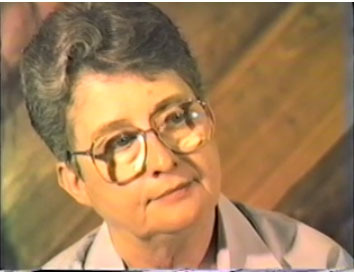
LHA Daughters of Bilitis Video Project: Barbara Grier, November 27, 1987 (Tape 2)
Barbara Grier discusses her time involved with the Daughters of Bilitis as a contributor, poetry and fiction editor, and eventual editor-in-chief of The Ladder. She is interviewed by Manuela Soares. -
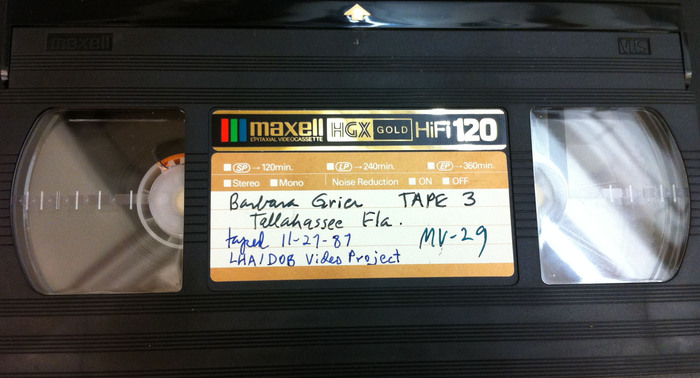
LHA Daughters of Bilitis Video Project: Barbara Grier, November 27, 1987 (Tape 3)
Barbara Grier discusses her time involved with the Daughters of Bilitis as a contributor, poetry and fiction editor, and eventual editor-in-chief of The Ladder. She is interviewed by Manuela Soares. -
LHA Daughters of Bilitis Video Project: Barbara Grier, November 27, 1987 (Tape 4)
Barbara Grier proceeds with her conversation, discussing her insights and personal contributions to early lesbian literature and publishing, especially in her endeavors with Naiad Press in 1973.
-
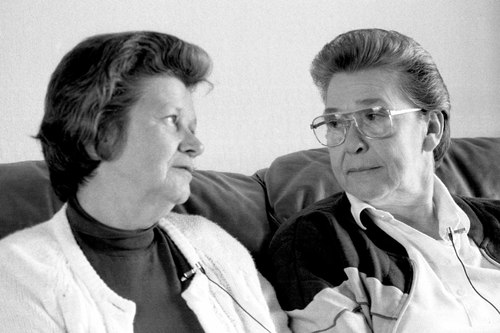
Pat Helin and Barbara Deming Interview, May 10, 1987
Pat Helin and Barbara Deming discuss their childhood in Iowa, relationships with their familes, their involvement with the Daughters of Bilitis in San Francisco and their friendship with Del Martin and Phyllis Lyon.
On tape 2, they elaborate on their early days in San Francisco, Pat’s previous marriage, political affiliations, jobs, dancing in gay bars, and why they ultimately left the DOB. -
Judith Schwarz and Joan Nestle Interview, November 14, 1992
The interview begins with Judith Schwarz and her recollections of the late 1950s and early 1960s, and how she knew of women who were hesitant to join Daughters of Bilitis, as they simply wanted to meet women at the bar, and feared their names appearing with labels publicly. She also discusses how women were hesitant to receive mail from Daughters of Bilitis for the same reason. She also talks about her first woman lover, and the circumstances that led to that.
Accompanied by an edited version where Judith Schwarz talks about the significance of DOB, the secrecy of membership, new member experience, social events, and harassment. Joan Nestle talks about the perception of the DOB as a threat during the McCarthy Era, the complexity of the organization, and her own perceptions of DOB. -
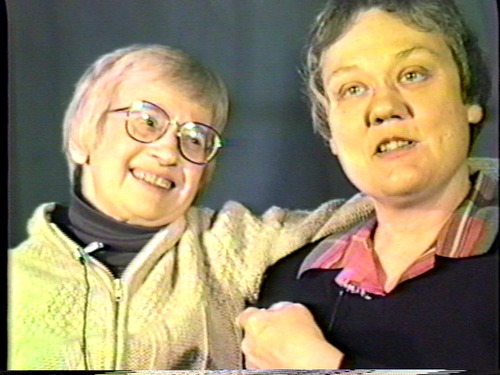
Barbara Gittings and Kay Tobin Interview, 1988
Barbara Gittings talks about her life and her history with the Daughters of Bilitis. She served as the National Corresponding Secretary for DOB and helped run the NYC chapter when she was living in Philadelphia. Despite that, she frequently criticizes DOB positions and found herself to be more radical in her approach to activism. She speaks about concerns of being infiltrated by the FBI, and heists of the publication "The Ladder". The interview closes with Gittings speaking about organizing for conferences and workshops, including creating exhibits for the 1971 American Psychiatry Conference in San Francisco. -
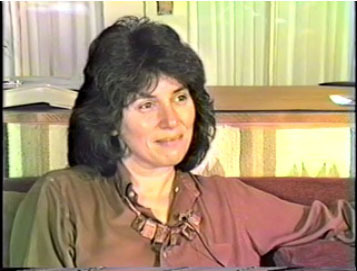
Carole Morton Interview, October 21, 1988
Carole Morton discusses her discovery of Daughters of Bilitis and her activism on behalf of lesbian mothers. -
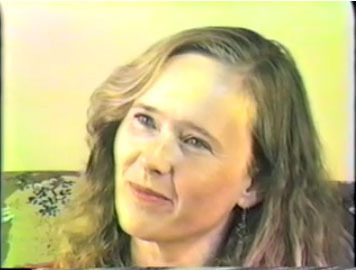
LHA Daughters of Bilitis Video Project: Del Martin, Phyllis Lyon, and Nina Kaiser, May 12, 1987 (Tape 4)
Both Del Martin and Nina Kaiser discuss the end of DOB in 1970. Del also touches upon her name and Nina Kaiser touches upon her first lesbian relationship at 19, her involvement with the Navy and her involvement with the National Organization for Women. They are interviewed by Sara Yager. -
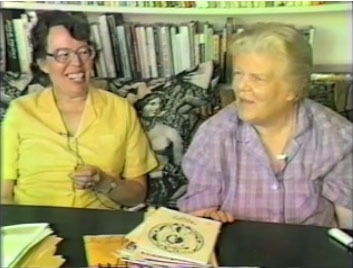
LHA Daughters of Bilitis Video Project: Del Martin and Phyllis Lyon, May 9, 1987 (Tape 3)
Del Martin and Phyllis Lyon discuss DOB's National Conventions. They are interviewed by Manuela Soares. -

MAD Boston
Proceedings from the MAD Conference in Boston -
Boston, November 14, 1981
Side A:
Opens with an unnamed woman singing with guitar playing in a live venue. Continues to go through the concert with intermittent breaks to speak about songs.
Side B:
Blank -
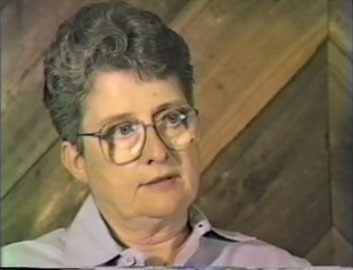
LHA Daughters of Bilitis Video Project: Barbara Grier, November 27, 1987 (Tape 1)
Barbara Grier discusses her personal experiences with developing her identity. She describes lesbian nightlife and particular lesbians frequented in her youth. -
Sara Brown, 1978
Sara Brown discusses her experiences with her previous female partners. She talks about her childhood and the influence that her family and Catholic School had on her life as she was growing up. She also discusses the difficulty she has had in coming out to her parents in later life. -
Cecilia, 1990
Phone message left by Cecilia from Routledge publishers. In the message she gives feedback on a chapter of the Boots of Leather, Slippers of Gold: The History of a Lesbian Community manuscript and discusses the next steps in the publishing process. -
Stella Stone, April, 1978
Stella describes growing up in a broken home, and having to take on a lot of responsibilities. Explains her curiosity in women as she got older. Later, she discusses how her bisexuality made her feel different than everyone. -
Ann II, October 23, 1980 (Tape 2)
Ann describes what she looked for in a women. Discusses the clothing change among lesbian women. Explains some of her relationship experience with women. -
Terry, May 12, 1980
Terry talks about her experience, coming of age as a woman and specifically as a lesbian; and how she sought comfort first in alcohol and then within the lesbian community. -
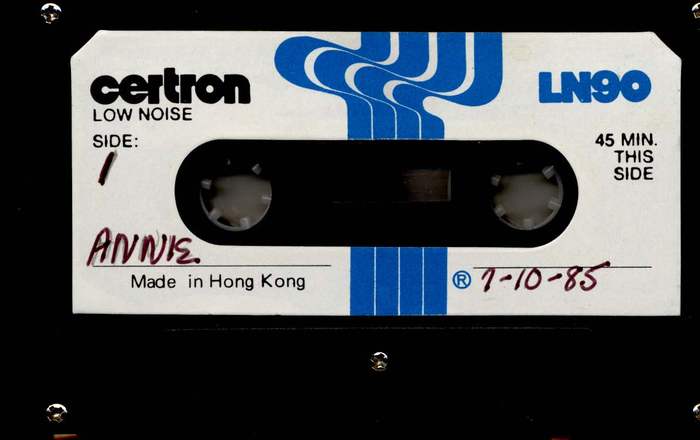
Annie, July 10, 1985 (Tape 1)
A woman talks about her time married to a man as compared to her time in a relationship with a woman, and the pros and cons of both. -
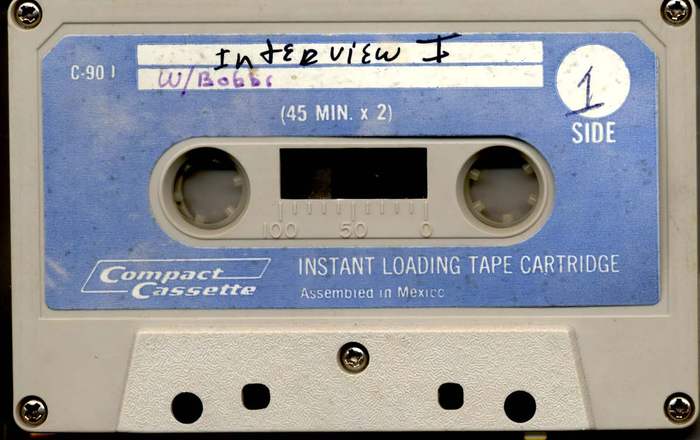
Bobbi (Tape 1)
Side A:
The interview discusses what coming out was like for the interviewee and the reactions of her family members.
Side B:
Interviewee discusses dating and having her first love affair. The interview talks about the differences in reactions of people when she came out during the 1960s and how that affected what she did and who she hung out with. She discusses the change in going from a group of people who accepted her being gay to a group of people who felt guilty of being gay. -
Windsor, Tape 1, July 31, 1980
SIDE A Windsor discusses femme and butch roles in several lesbian relationships, and Skip’s opinion on these role changes. Windsor speaks about her relationship with Skip and difficulties of being constantly with her partner, having different money-earning capabilities, the emotions and desires in their relationship, and how they celebrated holidays together.
SIDE B (Duplicate of Side A) Windsor discusses femme and butch roles in several lesbian relationships, and Skip’s opinion on these role changes. Windsor speaks about her relationship with Skip and difficulties of being constantly with her partner, having different money-earning capabilities, the emotions and desires in their relationship, and how they celebrated holidays together.
-
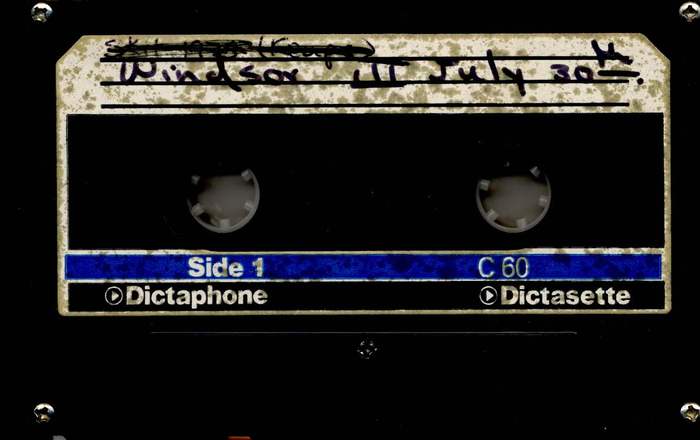
Windsor, July 31, 1980 (Tape 2)
SIDE A Discussing Windsor’s memories of her relationship with Ruth also called “Skip” beginning in 1933, when they began to identify as lesbians. Past discrimination in town of Reedsville, Pennsylvania, childhood and background, and time attending Allegheny College and working in a factory. Skip came to Buffalo to study biochemistry, and enters the gay community in 1937; however Skip remained in the closet until 1975. Discussing lesbians in the medical profession in New York, and past relationships of Skip. These women attended bars such as Ralph Martin’s and Carousel in late 1930s and early 1940s.
SIDE B Windsor discusses suicides in the lesbian community. Skip was able to accept herself as lesbian, and Windsor explains why.
-
Susan, undated (Tape 1)
Susan discusses discovering her sexuality, her first relationship with another woman, and the university atmosphere for a lesbian. Her interview includes stories about her romantic experiences as an overweight woman, the gay and lesbian nightlife in Buffalo, and her political advocacy in the gay and women's rights movements. -
Susan, undated (Tape 2)
Susan continues her discussion of lesbian social and political groups, both at the university and within Buffalo. This interview also covers Susan's experience with Buffalo nightlife (specifically gay and lesbian bars), coming out to her parents, and how being gay affected her career. -
San Francisco Lesbian History Project discusses Buffalo lesbian bars in the 1950's, 1981 February 24
Side A:
Discussion on the social issues in the Lesbian communinity bar and nightlife scene in Buffalo, NY during the 1950s.
Side B:
Continuation of side A. Only 2 minutes of side B used in original recording.Tags Butch and femme -
Madeline Davis and Liz Kennedy. Boots of Leather Oral History Project Panel Gay Pride, 1979
Side A:
Panel discussion on the history of the archives, including a brief introduction on how they gather information through different interview procedures within the Lesbian community in order to build the oral history project.
Side B:
Panel discussion continues with topic brought up in side A. -
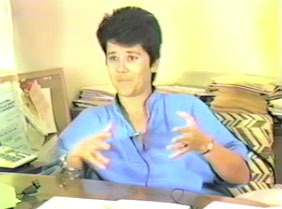
Jeanne Cordova Interview, October 27, 1988
Jeanne Cordova discusses how the Daughters of Bilitis inspired her to change her career path and passions in life from aspirations of playing soft ball, to becoming highly involved in activism. -
Workshop #3, Side A, February 18, 1971
This audio recording talks about activism and oppression within the lesbian community. The workshop is a group of women discussing their feelings and experiences with being oppressed as women in society, especially as lesbians. -
Morgan G, Side A, November 13, 1988
This audio recording is discussing her issue with addiction and alcoholism. She opens up about having good people by her side in these hard times. -
Workshop #4, Side B, April 20, 1971
The recording is from a workshop from April 20, 1971. The women are having an open discussion on honesty and trust within the group. The talk about how they feel about each other and how they handle being in Daughters of Bilitis. -
Morgan G, Side B, November 2, 1988
This is a continuation of a previous audio recording. The recording is taken in a car ride and it is a letter for Morgan. She discusses her daily routine. -
For Toby by Shirley, Side A
This audio recording discusses the Daughters Of Bilitis New York City chapter. The main voice on the recording is a woman who was elected national president. She talks about her time as national president during the start of the Womens Rights movement. The recording discusses the success of the New York City Chapter and the new role they were playing in the Womens Rights movement. -
-
To Morgan Gwenwald from Stella Rush June 4, 1987 and June 5, 1987 #2 Side A
Stella talks about reuniting with her old friends and passing the torch to new, young activists. She also discusses her struggle with addiction and how she moved past it. -
To Morgan Gwenwald from Stella Rush June 2, 1987 Side A
Stella Rush records a tape for Morgan. She discusses her life and her struggles, and how recording tapes for others helped her to express herself when she was too depressed to write. She mentions nonchalantly at beginning of tape that she won't stop at a Denny's because they once refused her service. -
To Morgan Gwenwald from Stella Rush June 2, 1987 Side B
Continuation from "To Morgan Gwenwald from Stella Rush June 2, 1987 Side A"
-
Dear Morgan, Side A, November 14, 1988
An anonymous woman records a tape to send to her friend Morgan. She is excited about Christmas being in a few weeks and carefully tells her stories as to not reveal the identities of friends who do not want to be named. -
John and Elizabeth, Side B, November 14, 1988
This sound recording is a continuation of a previous tape, but the location of the previous tape is unknown. The woman on the tape discusses a car accident she was in and various aspects regarding this incident. She goes on to talk about her mother and her upbringing. -
Judy Regan, Side A, September 5, 1981
This tape is a mixed tape of various songs by the queer country singer Judy Regan. -
Bachelorettes, Side B, September 5, 1981
The sound recording is women singing the old hymn "Down in the River" with the words changed slightly. The rest of the recording is the women singing various songs. -
Memorial Service Helen J. Sandoz, Side A, July 19, 1987
This tape is a recording from the memorial service for Helen Sandoz on July 19, 1987. The recording is of a religious service for Sandy with various readings from the Bible as well as religious music. After the religious ceremony, friends and loved ones told humorous and moving stories about Sandy. -
Honesty Ends Helplesness Side B
This tape was recorded November 14th and is a continuation of a previous recording, although the location of this previous recording is unknown. She discusses an accident and an encounter with her sponsor. -
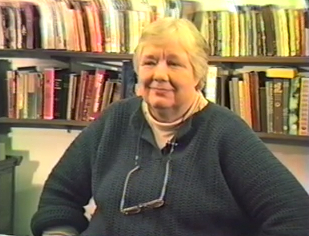
Alma Routsong Interview, January 20, 1990
Alma Routsong is interviewed in New York in 1990. She discusses her early experiences of being a lesbian and coming out. She explains how lesbian literature of the time informed her about DOB and influenced her to leave her husband and move to New York with her lover. Alma also discusses her writing career and use of a pseudonym. In tape 2 she discusses DOB groups and events, as well as the demise of DOB. -
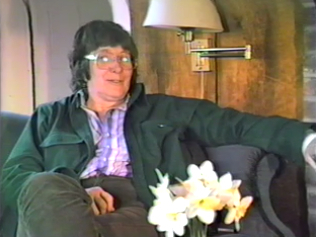
Anne MacKay Interview, April 24, 1988
Anne MacKay is interviewed in Orient Point, New York in 1988. She discusses the early days of the DOB, lesbian conventions, coming out to her family, socializing, theatrical productions to help fund the Lesbian Herstory Archives, and relationships between lesbians. -
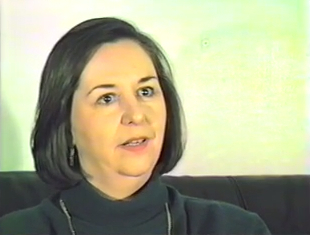
Barbara Emmerth Interview, February 21, 1988
Barbara Emmerth is interviewed in New York City in 1988. She discusses the uniqueness of coming out on West Virginia in the 1950s where there was little stigma attached to homosexuality because there was so little understanding or awareness of it. She speaks about her relationships, moving to New York City in the 1960s and her involvement with DOB (including a brief stint as the VP of the New York chapter) and with SAGE (Services & Advocacy for Gay, Lesbian, Bisexual & Transgender Elders). -
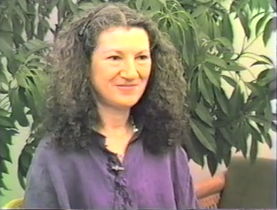
Barbara Sang Interview, April 22, 1989
Barbara Sang is interveiwed in 1989. She talks about how she went through psychotherapy and attempted to live as a heterosexual woman. She discusses her role in the New York chapter of DOB as the Education Chair and the programs and events she organized as well as finding as much information as she could about gays and lesbians. She also talks about DOB in the 1960s and the privacy it afforded its members, not insisting that they come out, which was criticized by more radical movements. -
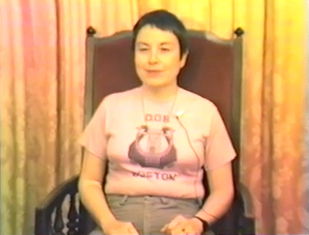
Jean Ko Stewart Interview, April 11, 1989
Jean Ko Stewart is interviewed in Boston in 1989. She discusses her early relationships with women and coming out. She speaks about her role as the Vice President of the Boston chapter, which involved organizing dances and concerts and a focus on providing a community space for lesbians. She compares the political and social climate of California and Boston, and considers Boston’s racial climate at the time. Jean explains that she moved to California because she heard that women wore slacks to work, which was considered unacceptable in Boston in the 1960s.
Accompanied by an abridged version where Jean Ko Stewart speaks about meeting with the Daughters of Bilitis community. -
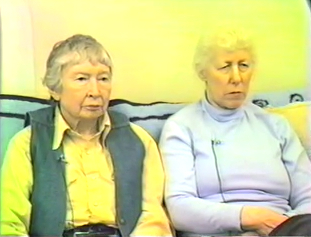
Julie Lee Interview, 1989
Julie Lee and her partner [Ginny] are interviewed in 1989. They discuss relationships, lesbian communities, activism and the civil rights movement. Julie talks about her role as secretary of the New York chapter of DOB and her roles in United Sisters, ACLU, etc. They both talk about police harassment and how 'out' lesbians lost their jobs. Julie also mentions her pseudonym. -
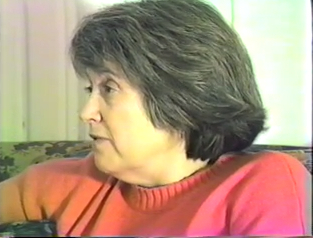
Marilyn Lamkay Interview, April 8, 1987
Marliyn Lamkay is interviewed in New York City in 1987 (it seems to continue from a previous video and is perhaps continued in another video). She talks about being a lesbian in New York and coming out to her family and professionally, her relationships and religious beliefs. She discusses lesbian roles and how she didn't fit into any of the existing roles, even in the DOB community. She discusses community building and CR groups when she was younger and how she went on to hold workshops about resources for gay and lesbian New Yorkers at Bronx Community College. She mentions New YorkDOB meetings and the influence that DOB had in the creation of subsequent lesbian groups and communities. -
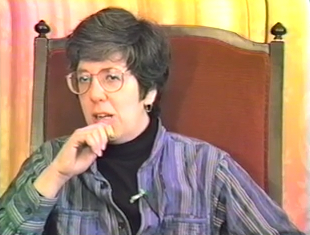
Renee Shapiro Interview, April 1, 1989
Renee Shapiro is interviewed April 1, 1989. She discusses joining the Daughters of Bilitis and the various group activities they did. Renee talks about her hands on experience with putting together plays and different group events. -
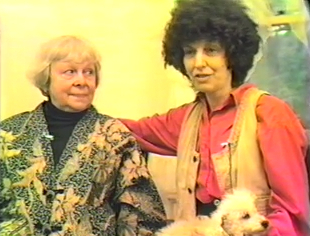
Ruth Simpson and Ellen Povill Interview, October 8, 1989
Ruth Simpson and Ellen Povill are interviewed in Woodstock, New York. Ruth talks about her past experience dating men and falling in love. She discusses coming out and realizing her sexual orientation when she was doing theater in college. On tape 2, she and Ellen Povill talk about various movements, including civil rights, feminism and gay and lesbian rights. They describe the day a group of feminists were arrested at a demonstration and the police brutality they experienced and later on, examples of FBI interception. Ruth discusses DOB and her leadership of the New York chapter and Ellen talks about her activities on the action committee. -
Sanders, Side B, November 24, 1976
An interview with Helen Sanders in her home. It includes audio from side A. -
To Morgan Gwenwald from Stella Rush June 19, 1987, Side A
Stella Rush records her thoughts while on a road trip and talks about a car accident she had in the past and what it was like to travel through Central City, L.A. -
To Morgan Gwenwald from Stella Rush, November 2, Side B
Stella talks about a tape that she created on June 19th of 1987 (Side A) and is grateful for a reunion she recently had with her friends. -
Sanders, Side A, October 24, 1976
This tape contains an interview with Helen Sanders in her home. -
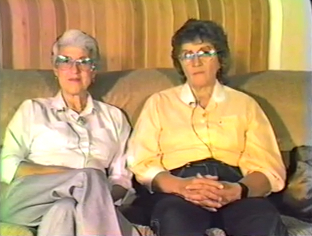
Kay O'Hara and Gerrie Morrison Interview, October 20, 1988
Kay O'Hara and Gerrie Morrison are interviewed in 1988. They both talk about their family lives, when they realized they were lesbians, coming out, their relationship, and previous relationships. Kay mentions her engagement and marriage before she accepted she was a lesbian. They talk about the San Francisco DOB from the 1950s and the meeting's events that were held, as well as butch and femme roles. They talk about literature that was available, including the Ladder and the contributions they made to its design and distribution. On tape 2, they comment on a series of slides and photographs of members of DOB. -
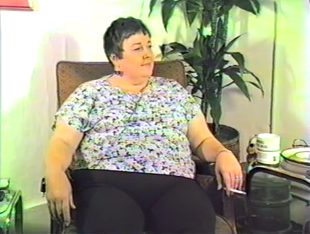
Linda Lopez Interview, October 22, 1988
Linda Lopez is interviewed in 1988. She talks about growing up in the South and how she fared as a lesbian living in a conservative community. She discusses the Dallas DOB and how the membership consisted of a number of women who had been married, divorced and had kids (including herself). She talks about the custody battle she had with her parents over her son and how many women faced similar battles but with their spouses. She also talks about how she and a number of women lost their jobs when it was discovered that they were lesbians. She discusses the Dallas DOB's events.
On tape 2, she talks about the impact of the Dallas DOB in Dallas and beyond, how it inspired activism and other organizations. She talks about Rob [Shivers]' leadership and its role in DOB's strength. She discusses Dallas and the South in General - how lesbians were treated and how they lived. She talks about the need for job security, the roles and expectations of women. -
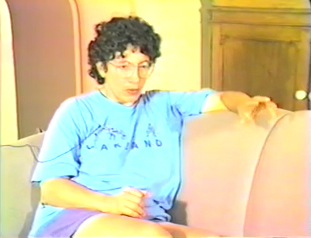
Martha Shelley Interview, June 24, 1989
Martha Shelley is interviewed in New York in 1989. She talks about being a lesbian in New York from the 1960s, the negative views of lesbians portrayed by psychologists, the bar scene, roles and her use of a pseudonym. She talks about finding DOB, the meetings and discussions that took place, and her contributions to the Ladder. She talks about Jean Powers and other members of DOB and describes the members as mixed race, working class, couples and singles. She also talks about her political activism in terms of DOB, peace, civil rights and the Stonewall Riots, including the marches she was involved in and the speeches she made. -
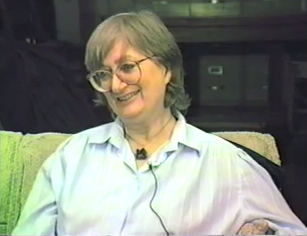
Pamela Oline Interview, [date unknown]
Pamela Oline is interviewed. She is heterosexual and talks about her path to and experience of being a member of DOB and campaigning for gay and lesbian rights. She describes her childhood growing up in England, moving to America when she was 14 and changing career from a mathematician and to a psychotherapist. Recognizing the psychological issues of the time, she decided to understand the lesbian community from the inside. She talks about DOB meetings, lesbian and feminism issues, radical and conventional activism, marriage, and GAU (Gay Academic Union) meetings, panel discussions, etc.
Accompanied by an edited collection of clips, featuring Oline talking about being a Lesbian, the DOB and its eventual fractioning, and the debate of whether the lesbian's movement should be separate from the women's movement. -
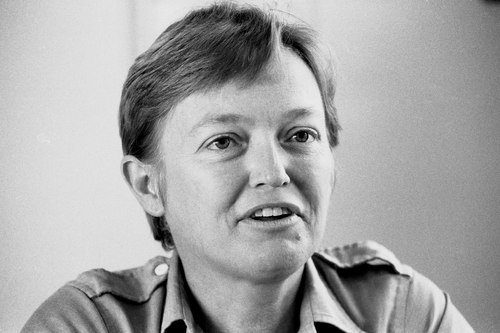
Karen Anderson Ryer Interview, 1987
Karen Anderson Ryer discusses her coming out process, and the acceptance of her parents. She talks about butch vs. fem, and changing generational attitudes. Discusses importance of feminism to lesbianism specifically, and differences from gay men’s movement. She details the split of “The Ladder” from the San Francisco chapter from DOB, and how she left to start a new magazine. Also mentions the integration of different lesbian communities – Oakland vs. San Francisco, and the impact of AIDS on the lesbian community. -
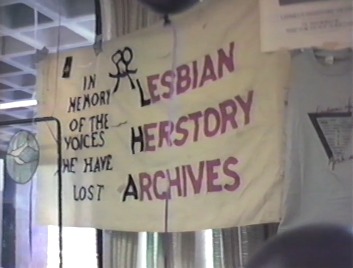
Amazon Autumn Event, 1986
Footage of an event held in 1986. Both Deborah Edel and Judith Schwarz are featured sitting at a table for the Lesbian Herstory Archives and are handing out information about lesbian herstory in general and the archives more specifically. Joan Nestle and Mabel Hampton are also featured. -
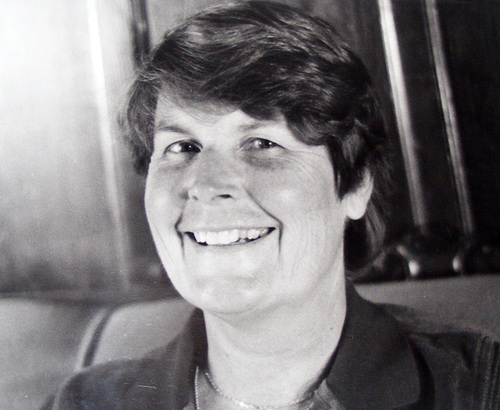
Lois Beeby Interview, May 9, 1987
Lois Beeby discusses her early experiences and confusion as to recognizing she was a lesbian. She speaks about her role as a member and officer in the Daughters of Bilitis, and the eventual unrest and split in the group, leading to her leaving DOB. She speaks of unrest between gay men and lesbians and the desire for the two to join together as a united front. -
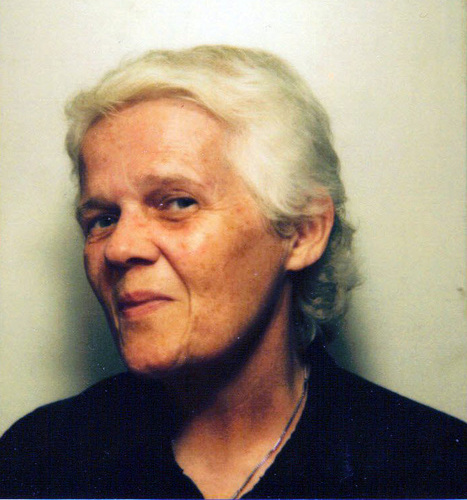
Arcus Flynn Interview, November 1, 1987
Arcus Flynn discusses her early life and her struggle with isolation and depression, her eventual discovery of the Daughters of Bilitis meetings and the community and friendships she found there. Arcus talks about the early importance of roles assumed by lesbians in the community (butch/femme), her involvement with the Women’s Rights movement, her evolution from Catholicism to born-again pagan spirituality (the Irish triad: truth, knowledge, and nature), and her discovery of herbology and natural healing. -
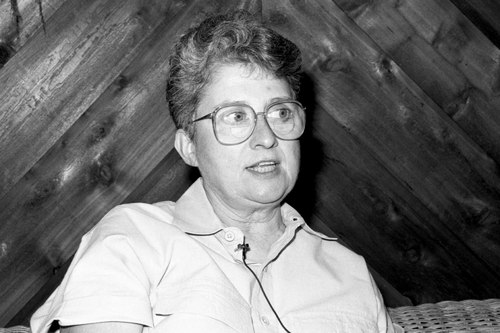
LHA Daughters of Bilitis Video Project: Barbara Grier, November 27, 1987 (Tape 7)
This video consists of a brief interview with Grier’s partner, Donna McBride, and then follows a discussion Grier leads on her book collection, favorite authors, and publishing experience. She and McBride talk about Naiad press and its successes over the years and the video shows their office workspace and the multitude of submissions they receive for publication. Donna McBride’s segment focuses on her awareness of being a lesbian, the aftermath of telling her parents, and her later involvement with women’s activist groups. -
Rose Jordan Interview, May 23, 1993
Rose Jordan discusses her involvement with women’s political organizations, including the New York chapter of of the Daughters of Bilitis, and feminist groups along with the schism that existed between 2 generations of lesbian women.
Accompanied by an abridged version highlighting Rose Jordan's discussion of political organizations and feminist groups. -
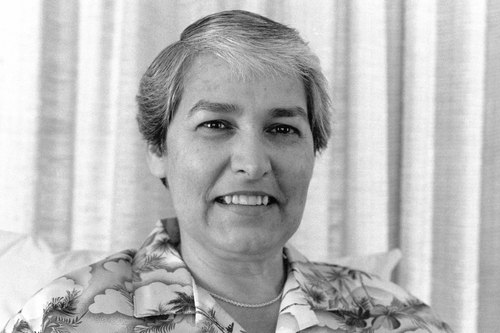
Nikki Nichols Interview, May 14, 1987
Nikki Nichols describes her coming out process, and experiences with older lesbian women as a teenager. Discusses changing views on butch/fem issue. Laments the lack of lesbian groups in Sacramento, as well as describing issues with and fears of gay bars. Talks about how the discovery of DOB saved her life – socially and otherwise. Describes first DOB convention in 1960. Discusses her research into Native American attitudes towards homosexuality, as well as Native American rights movement.
On tape 2, she talks about The Ladder and its role in lesbian history, and gives her thoughts about which leaders loomed large in the DOB. She brings up the Act or Teach “controversy” of the early 60s. She mentions problems with drug culture in San Francisco during the 60s. She also talks about her enthusiasm for active protest/picketing, and the difficulties of getting gay activists and rallies in California outside of San Francisco. -
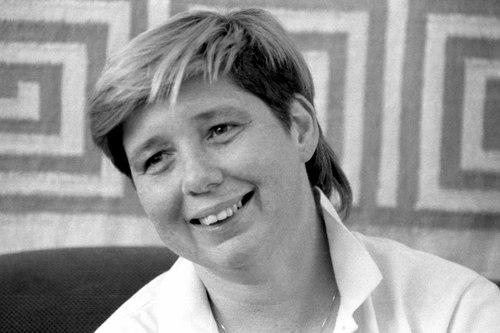
Helen Ruvelas Interview, May 10, 1987
Helen Ruvelas discusses her involvement with the Daughters of Bilitis during the 1970’s and the strong friendships she developed with some of the women in the group. She also talks about her eventual drift away from the group and its dissolution. -
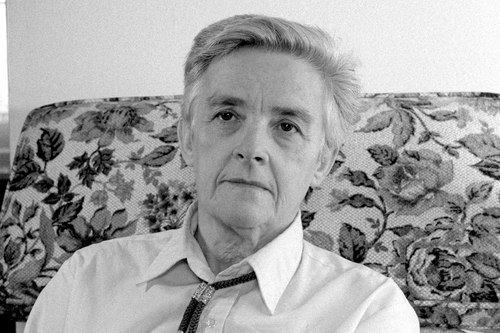
Stella Rush & Helen Sandoz, May 15, 1987 (Tape 3 of 3)
Stella Rush and Helen Sandoz are interviewed in 1987. The interview mostly concerns Stella Rush, who talks about her childhood; specifically her encounters with incest and molestation. She also talks about her experiences with police discrimination in the 1950s and 1960s in L.A. Helen and Stella both talk about being editors of the Ladder and being a part of the DOB. Stella talks about workplace harassment, and fear of loser her job. They show photographs from the 1960s, including some of their cat. The video closes with the two discussing their wedding rings.Tags Bars, Christianity, Daughters of Bilitis, Discrimination, Families, Gay liberation movement, Hate crimes, Helen Sandoz, Homosexuality, Incest, Intergenerational relationships, Interviews, Job discrimination, LGBTQ+ civil rights, Mailing lists, Mental health, Mothers, Older lesbians, Parents of lesbians and gays, Police harassment, Radical lesbians, Rape, Religion, Sexual assault, Stella Rush, The Ladder, Violence, Women -
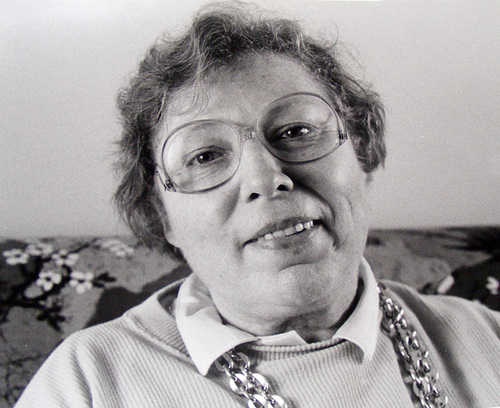
Billye Talmadge Interview, 1987
Billye Talmadge discusses her early experiences as she came to understand her own preferences and sexuality, and the support she received from her college dean, classmate, and mother. She describes her role in the Daughters of Bilitis and the responsibilities and liabilities of being an officer in the group. She elaborates on the social and political climate of the times, and how she endeavored to help people overcome their fear of harassment and discrimination through providing education and supportive counseling and resources. -
Astraea
Short clips of several interviews with various members of the Daughters of Bilitis about their experiences with the group and being a lesbian in the 1950s and thereafter.