
Browse Items (771 total)
Sort by:
-
Paula, January 18, 1990 (Tape 2)
Paula describes the absence of love and romance in her relationships with women, but later in the interviews describes a relationship after her divorce. She mentions one-night stands and sexual experiences she had with friends, and the importance of these friendships to her. Paula mentions that she was married and had children, and would go out to bars at night with her friends or alone. -
Paula, January 18, 1990 (Tape 1)
Side A: Paula describes various locations where gay men and women would meet each other, like Kleinman's Corner and bars such as Ralph Martin's. Often these locations also served as hubs for sex workers. She speaks about the rigidly defined roles of "butch" and "femme" provided for lesbians during the 1940s. Paula talks about her life as femme and being married to a man who introduced her to gay/lesbian life. She discusses her sexual life and the type of sex that women had with each other in the 1940s, specifically within the strict binary of butch and femme. Paula recalls the social life at bars, such as Ralph Martin's, which included dancing, drag shows, prostitution, and drugs.
Side B: Paula speaks about her family life in relation to her sexual identity. She talks about her husband's fast lifestyle and her changing preferences eventually causing the dissolution of their marriage. Paula mentions the types of employment she has had, including working in department stores, as a waitress, as a desk clerk at the Genesee Hotel, and on the assembly line at Bell Aircraft. She speaks more about various bars that she went to: Pat's, Dugan's, the Carousel, and the Carlton Hotel. She talks about a long-term relationship that she had, after her divorce, that lasted ten years, as well as traveling out of the Buffalo area to places like Florida, California, and Utica, N.Y.
The recording cuts off abruptly after 23 minutes. -
-
Pat, June 6, 1978 (Tape 2)
Side A: Pat talks about her childhood in North Port, N.Y., her relationship with her parents and siblings. She goes into detail about her estranged relationship with her older sister. She describes when she first knew that she was a lesbian and tells the history of her relationships with women. She starts with her first affair at age 13, with a nun from her Catholic school - Sister Eugenie - to a relationship she had with Maryann (Marty). She describes her time at nursing school in Niagara Falls, N.Y., and the gay bars she frequented until she moved to Florida with her then girlfriend. She says she moved to Buffalo, N.Y., in the late 1950s, and describes the Buffalo bar scene, mentioning Dingles, Mardi Gras, the Chesterfield, the Carousel and the Carol Hotel. Pat mentions that the Carousel was very elite, something she did not like. This leads her into a discussion on “role play†and how important it was to distinguish oneself as either a butch or a femme. She classified herself as butch, but stated that she was very uncomfortable with the label and now prefers to be less overt.
Side B: In this interview Pat talks about how she does not like or feel comfortable in the gay community. She has never identified with it, or been made to feel welcome. This is one of the reasons that she does not maintain friendships with other lesbians, unless she is having a sexual relationship with them. She mentions being victimized and physically assaulted because she was a butch lesbian. Interviewer Madeline enters the discussion, speaking about her own sexual experiences with women. Madeline classifies Pat as “untouchable,†something that Pat denies, stating that she is simply very private. She feels that sex is a necessary but not important part of a relationship; it is something that is never sought or welcomed. She is suspicious of those who claim to experience sexual pleasure, including Madeline. -
Pat, June 6, 1978 (Tape 1)
Side A: Pat discusses her definition of lesbianism and her attitude towards “radical lesbians.” She also discusses her background, including her relationship with her family and her experience at an all-girls Catholic school. She talks about how and when she realized she was a lesbian and describes her early relationships with women. She discusses leaving home and experiencing gay bars for the first time in the 1950s. Finally, she discusses butch and femme roles and how they have changed.
Side B: Pat discusses why she does not have many gay friends and why she does not identify with the lesbian community. She talks about her relationships and her feelings about sex. -
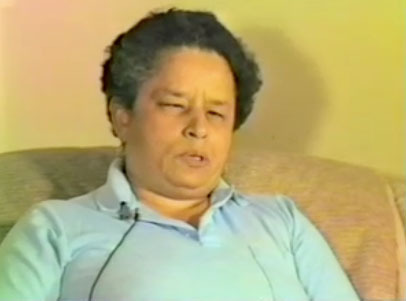
Pat Walker Interview, October 18, 1988
Pat Walker talks about her mother's reaction to her sexuality, her first girlfriend, living with blindness, and her experiences with the DOB and its members. -
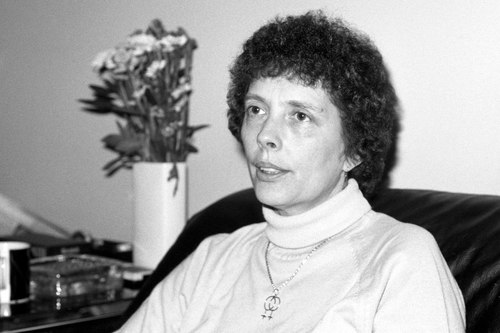
Pat Turner Interview, December 31, 1987
Pat Turner describes early experiences as a lesbian growing up in the south, conflicts with her enthusiasm for religion as a young person, and her family’s reaction to her sexual orientation. She talks about the relative lack of gay social life in Tennessee, despite the existence of certain bars in Nashville. Discusses how her first letter to The Ladder became an article, and the response from readers. Describes working on The Ladder, and later experiences after the Stonewall. -
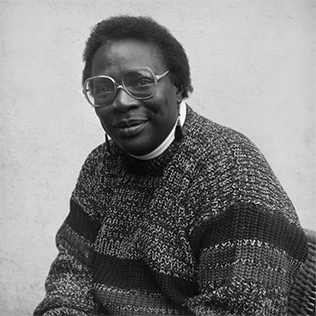
Pat Parker in 1989 by Robert Giard
Pat Parker in 1989 by Robert Giard -
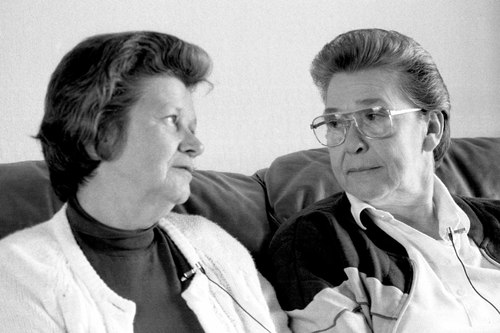
Pat Helin and Barbara Deming Interview, May 10, 1987
Pat Helin and Barbara Deming discuss their childhood in Iowa, relationships with their familes, their involvement with the Daughters of Bilitis in San Francisco and their friendship with Del Martin and Phyllis Lyon.
On tape 2, they elaborate on their early days in San Francisco, Pat’s previous marriage, political affiliations, jobs, dancing in gay bars, and why they ultimately left the DOB. -
Pat G., May 21, [year unknown] (Tape 2)
Pat shows family photos. She says several of her family members were gay, including her mother and brother. She talks about bars, the 557 and 217, with racially mixed clientele. She describes violence when straight men tried to dance with gay women. She mentions other favorite bars from the 1950s: the Chesterfield, the KittyCat, Club Coco, the 469. Pat describes her relationships, many of which involved "messing around on and off" for many years. She describes coming out to her mother at age 13, and talks about the "white girls from Canada" (lesbians) who were her mother's friends. -
Pat G., May 21, [year unknown] (Tape 1)
Side A: Pat discusses her experiences as an African American lesbian. She developed friendships and relationships with both white and black gay women in the 1950s. She denies there were any racial tension in the Buffalo lesbian community; Pat says her experience was very inclusive. She also discusses experiencing police harassment, but says that she longer experiences discrimination from law enforcement. Pat discusses her wardrobe in the 1950s, which was composed of mens' clothing, and where she used to shop.
Side B: Pat discusses her friendship and romantic relationship with Jerry Jones, a male impersonator, who was well known in the 1950s Buffalo lesbian community. Pat discusses her move to Albany, N.Y., in the late 1950s and the birth of her daughter in 1957. She also mentions her experiences at after-hour bars which were only open to African Americans. While she used to frequent them in her early years, she no longer goes. Pat identifies as a butch lesbian and discusses the differences between butches and femmes. When she was younger she did not allow her partner to touch her during sex, but is much more open to the idea now. According to Pat, many butch lesbians did not receive sexual contact from their partners. -
Pat and DJ, November 11, 1986 (Tape 3)
Side A: Pat and DJ discuss the characteristics of femme identity. The interviewers say they are looking to interview more femmes, which leads to a discussion of the names and locations of lesbians who were a part of the community in the 1940s. The interviewers also mention the difficulties of interviewing lesbians who have not come out. The group discusses why butches are more willing to talk. Pat talks about her time at the Good Shepherd home. There is a brief discussion about the role of lesbians in World War II.
Cut off at 0:14:55
Side B: The group continues their discussion of the interview process, including who is willing to talk and who is not, as well as who will use their names and who will not. There is more discussion about beatings. Pat tells of coming out to her mother. Her mother only worries about the violence Pat is subjected to, on account of being butch. There is a long discussion about the nature of breakups and their aftermath. The group discusses the role of third parties in most breakups and the way a butch or femme reacts to a breakup. The issue of "passing" comes up, and Pat talks about working as a cab driver and passing as a man. Often, the children of femmes did not know that their mothers' partners were actually women. The interview concludes with a description of the rules for asking other butches' girlfriends to dance, and the fights that sometimes ensued. This point in the discussion highlights the difference between the generation of the interviewees and the generation of the interviewers. -
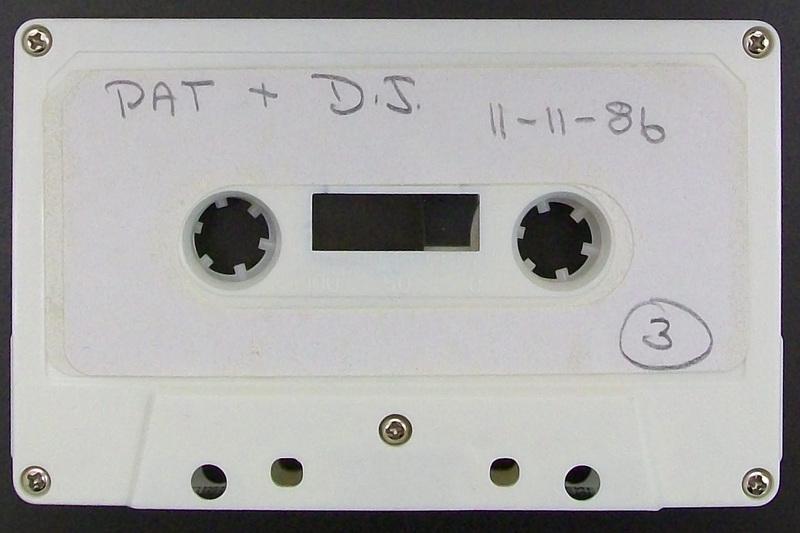
Pat and DJ, November 11, 1986 (Tape 2)
Side A: Pat and DJ continue the discussion of relationships during the 1950s from tape cassette SPW457. The two women discuss aspects of how to make relationships long-lasting and the importance or lack thereof of sexual intimacy in relationships. Both Pat and DJ discuss personal opinions related to intimacy in relationships, particularly in long-term relationships. The discussion then turns to types of attraction and intimacy.
Side B: Pat and DJ continue to discuss relationships during the 1950s and talk about reasons for breaking up. The discussion revolves around the importance of taking care of a woman and being able to satisfy her needs. The two women discuss the negative stigma of cheating. The discussion turns to take pride in a partner and the importance of her appearance and physical presence. Pat and DJ also talk about the presence of violence during relationships in the 1950s, listing insecurity between partners as the main reason. The two women speak specifically of violence in bars as a result of talking to another woman’s lady or challenging femmes in relationships to talk to other women. They discuss how much of this behavior was learned from lesbian role models of the 1940s. -
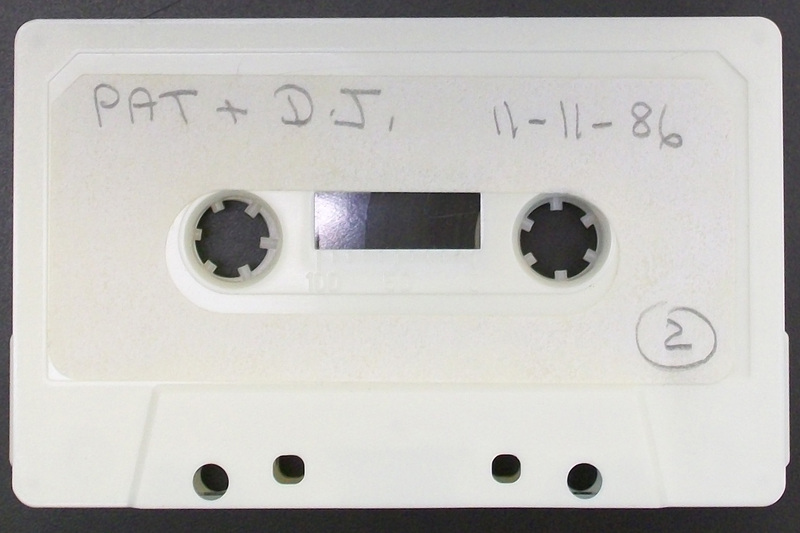
Pat and DJ, November 11, 1986 (Tape 1)
Side A: Liz and Madeline ask Pat and DJ for feedback on a draft of "Boots of Leather, Slippers of Gold." Pat claims the book paints too rosy a picture of lesbian life, underplaying the prejudice most lesbians encountered in the 1940s and '50s. Both talk about the Buffalo bar scene in the 1940s and '50s: mentioned are Carousel, Bingo's, the Chesterfield, Ralph Martin's, the Mardi Gras, and the Midtown. The discussion shifts to relationships, faithfulness, and prostitutes.
Recording has loud feedback sounds and squeaks at the beginning.
Side B: Pat and DJ discuss bar denizens vs. lesbians who did not frequent bars and the "class" distinction there, and also the way non-butch lesbians looked down on butches. DJ describes how her long-term relationships were analogous to marriage, where she was the breadwinner and her partners were housewives who perhaps worked but did not "provide." Both discuss the fact that in the 1940s and '50s butches had the freedom to have affairs whereas femmes were expected to be faithful. This created an atmosphere of mistrust in which monogamous long-term relationships became very difficult.
Recording has loud squeaks at the beginning, hisses throughout, and cuts off abruptly at the end. -
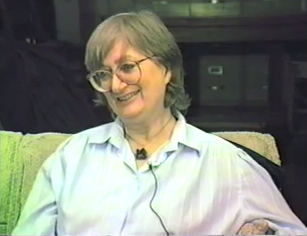
Pamela Oline Interview, [date unknown]
Pamela Oline is interviewed. She is heterosexual and talks about her path to and experience of being a member of DOB and campaigning for gay and lesbian rights. She describes her childhood growing up in England, moving to America when she was 14 and changing career from a mathematician and to a psychotherapist. Recognizing the psychological issues of the time, she decided to understand the lesbian community from the inside. She talks about DOB meetings, lesbian and feminism issues, radical and conventional activism, marriage, and GAU (Gay Academic Union) meetings, panel discussions, etc.
Accompanied by an edited collection of clips, featuring Oline talking about being a Lesbian, the DOB and its eventual fractioning, and the debate of whether the lesbian's movement should be separate from the women's movement. -
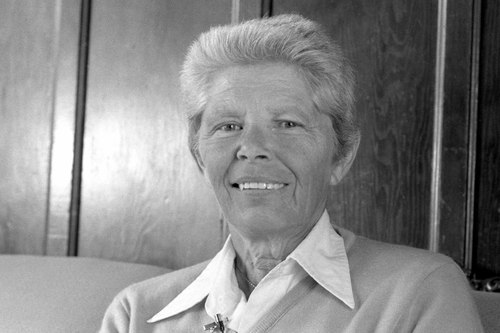
P.D. Griffin Interview, May 13, 1987
P.D. Griffin discusses her role in the Daughters of Bilitis and her relationship to the lesbian community. She also discusses her interests, which include softball and ukulele. -
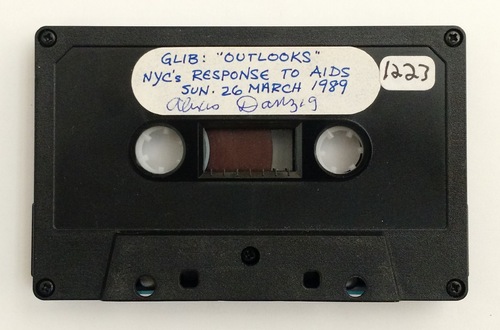
Outlooks, March 26, 1989 [New York City's response to AIDS]
GLIB (Gay and Lesbian Independent Broadcasters): Radio program "Outlooks" hosts a roundtable discussion with ACT UP members to discuss NYC's Response to AIDS, from policies to public opinion. -
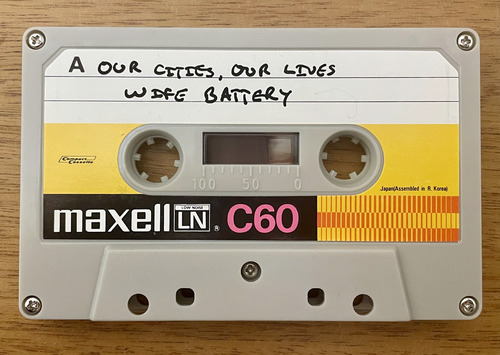
Our Cities, Our Lives - Wife Battery
Episode of Our Lives, Our City. Side A is an interview with members of the Center for the Elimination of Violence in the Family (Yolonda Baker and Diane Jackson) and a former resident of the center (Laura), mostly about the center and the work they are doing. The Center for the Elimination of Violence in the Family opened on March 4, 1977 (according to Yolonda, it is the first domestic violence shelter in NYC). The Center offers shelter/residence, counseling, referrals to education programs, job-training, work opportunities at the shelter, and accompaniment to welfare, family court, and police appointments. Side B is for taking calls. -
Olivia Records interview with Marcia Danab
In this interview, Marcia Danab, the host, talks to two members of Olivia Records: Ginny Berson, and Meg Christian. Berson and Christian talk about how they created their record label, as well as the challenges that they faced as a company made by women for women. They both talk about the struggles that they have faced in the music industry as women in regard to gaining ownership, being paid, being taken seriously as artists, and making music that is specific to the female experience and understanding. Olivia Records was founded in 1973 and played an important role within the gay rights and counterculture movements of the time. Notable artists they represented were Tret Fure, Kay Gardner, Leslie Ann Jones, BeBe K'Roche, Pat Parker, and Cris Williamson. Due to declining sales, Olivia Records became Olivia Cruises and Resorts, a lesbian vacation company, in 1990. -
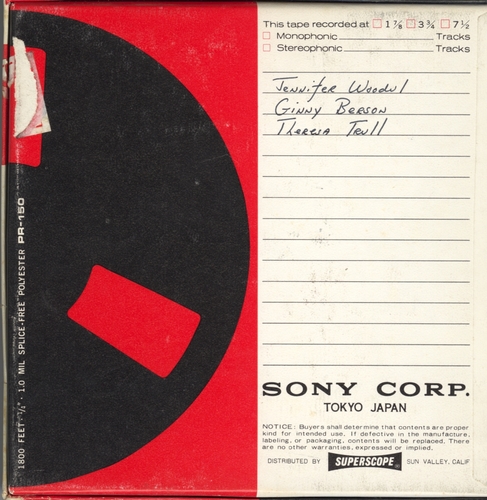
Olivia Records Interview (Part 2)
Jennifer Woodul and Ginny Berson, founders of Olivia Records, are interviewed by Ruth Scovill. Jennifer and Ginny continue to talk about women’s autonomy in the lyricism of women’s music. They talk about their views on music production and concerts as places of political organization. They attempt to self-define what “women’s music” means to them, while acknowledging the classism in the music industry. Part 2 of 2. -
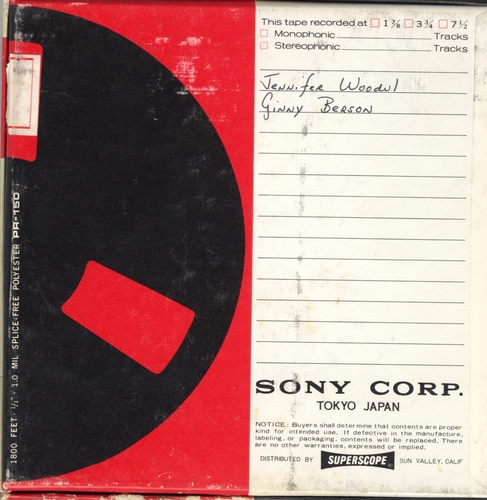
Olivia Records Interview (Part 1)
Jennifer Woodul and Ginny Berson, founders of Olivia Records, are interviewed by Ruth Scovill. Jennifer Woodul and Ginny Berson talk about their band and production studio, Olivia. The recording starts mid-sentence. They discuss recording music and starting a music studio. They talk about how they met at The Furies Newspaper, and the need they seen for women-owned businesses, and issues with capitalism. Part 1 of 2. -
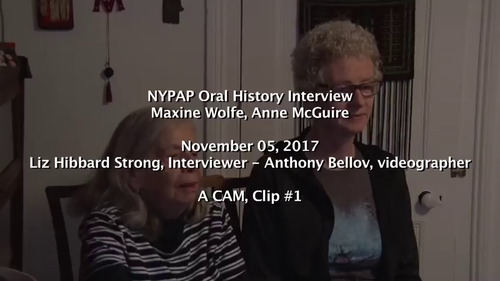
NYPAP Oral History Interview: Maxine Wolfe and Anne Maguire
Oral History conducted by New York Preservation Archive Project in which Maxine Wolfe and Anne Maguire are interviewed. They discuss their early lives, background on their family histories, and the work as activists.
The talk about the environments they grew up in, Maxine in Brooklyn and Anne in Dublin, and their early interest in, and awareness of, politics. Anne talks about the political climate of Ireland that made her want to leave, eventually winning a green card in a lottery, and moving to New York City. Anne describes meeting Maxine at a Thanksgiving Dinner through a friend, Marie, who would eventually become her partner.
Maxine discusses her involvement in various LGBTQ and Radical organizations in NYC that lead her to ACT UP. Anne discusses being part of the founding group of ILGO, the Irish Lesbian and Gay Organization, which started in 1990, and which she was part of for 10 years. She talks about ILGO's rejection from the St. Patrick's Day Parade and the publicity the group got from that.
They talk about the erasure of lesbian organizers and leadership within LGBTQ history which tends to focus on gay men, and how Lesbians had to advocate for themselves and form their own movements to be heard and to focus on Lesbian issues. They talk about Lesbian and women erasure during the AIDS crisis and how that lead them to for the Lesbian Avengers along with Ana Maria Simo, Anne-Christine D'askey, Marie Honan, and Sarah Schulman. They decided they wanted to focus on serious politics rather than cultural issues, and to not be a top-down organization. Anne and Maxine discuss the first meetings and actions of the Lesbian Avengers and talk about offering organizing help and support to other Lesbian groups around the country.
Maxine and Anne talk about the real depth of activism, and the dangerous legal and personal implications of direct actions. They discuss the importance of being part of a group and having a support structure when taking part in a direct action. Maxine talks about the learning and training and teaching that happens behind the scenes before any direct actions. They go into more detail about work they did as the Lesbian Avengers around the country, and the effect that their bottom-up structure had on small community movements.
They talk about the Alice Austen House and the fact that the Board was homophobic and hiding the queer part of that story, and work they did around protesting how the history was being handled. They discuss the importance of recovering queer histories from the 19th Century, and making gay history available to the public. Maxine talks about the role of the Lesbian Herstory Archives in preserving the history and lives of all lesbians for this reason. They talks about how visibility and survival are related for Lesbians, and the need for people to see themselves represented.
Maxine and Anne talk about seeing the fruits of their activist labor come to fruition after 25 years, and their thoughts about current acceptance of LGBTQ people as being partially related to capitalism and revenue. They discuss more recent LGBTQ history and archive projects and the celebrating of gay institutions that have survived over the past 50 years. However, through some of these projects, they are still experiencing Lesbian, Bisexual, and Transgender erasure and erasure of the history of every day people.
-
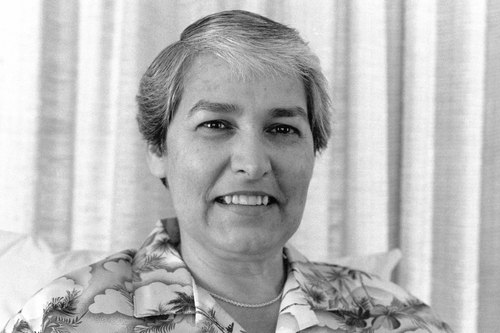
Nikki Nichols Interview, May 14, 1987
Nikki Nichols describes her coming out process, and experiences with older lesbian women as a teenager. Discusses changing views on butch/fem issue. Laments the lack of lesbian groups in Sacramento, as well as describing issues with and fears of gay bars. Talks about how the discovery of DOB saved her life – socially and otherwise. Describes first DOB convention in 1960. Discusses her research into Native American attitudes towards homosexuality, as well as Native American rights movement.
On tape 2, she talks about The Ladder and its role in lesbian history, and gives her thoughts about which leaders loomed large in the DOB. She brings up the Act or Teach “controversy” of the early 60s. She mentions problems with drug culture in San Francisco during the 60s. She also talks about her enthusiasm for active protest/picketing, and the difficulties of getting gay activists and rallies in California outside of San Francisco. -
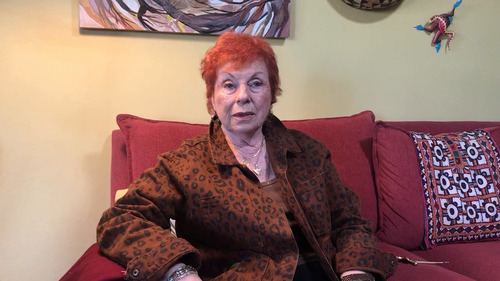
Nicole Schapiro Interview
In this oral history conducted by the Rossmoor Lesbian Social Club, Nicole Schapiro discusses her founding on the Bay Area Career Woman group, her family, her coming out process, and her work as a professional speaker and coach. -
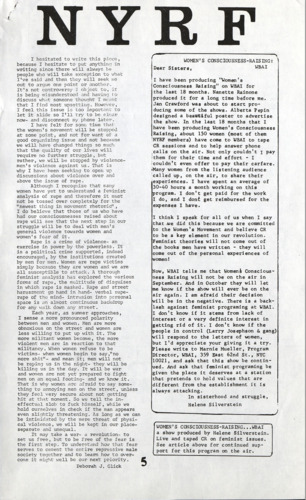
New York Radical Feminists Newsletter, 09/01/1974
Creative Commons: Attribution- Non Commerical -
Neighborhood Voices: Sonny Wainwright Interview (Tape 5)
Sonny Wainwright provides discourse about the privilege of marriage as it pertains to illness and becoming a parent. She explains her choice to "live straight" for several years so that she could have a child. It was not until she met Audre Lorde that she realized she had "choices", whom she called her teacher. Wainwright also discusses the need for lesbian illness support groups due to unjust experiences brought on by the illegality of same-sex marriage. -
Neighborhood Voices: Sonny Wainwright Interview (Tape 4)
Sonny Wainwright discusses being closeted, her group of closeted friends, and keeping her private life private. She also discusses labels as being necessary because the word “woman” does not define every part of her, and when she is free to be who she is she will no longer feel the need to be labeled a “radical lesbian feminist” because woman will be sufficient. Also mentioned is Wainwrights’ battle with breast cancer, and how it brought her first book Stage V: A Journal Through Illness.
-
Neighborhood Voices: Sonny Wainwright Interview (Tape 3)
The New York gay bar scene in the 1950s gave Sonny Wainwright and her peers a place to be together without the interference of straight society. She left New York in 1953 to become a college teacher at University of New Hampshire. Wainwright oscillates between ideas of identity and stories of different instances of being outed in her personal and professional life, including a story about developing a relationship with a student at the University of New Hampshire, who outed her sexualty leading to her dismissal. -
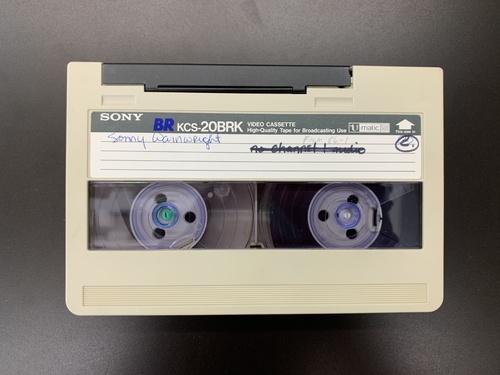
Neighborhood Voices: Sonny Wainwright Interview (Tape 2)
Wainwright remembers her youth and feeling on the “fringes” of society. Growing up and attending an all girls highschool, she was aware of her feelings about women and only later realized what it meant after graduating high school and meeting her first lover. Despite understanding her identity and sexuality, she made the choice to “live straight” in the 1960s due to the lack of acceptance by society and the threat of losing her job as principal of a junior high school while raising her daughter alone. -
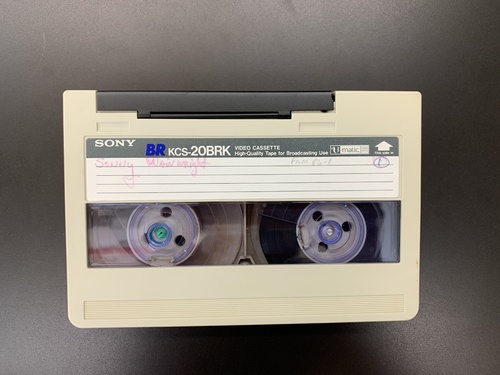
Neighborhood Voices: Sonny Wainwright Interview (Tape 1)
Sonny Wainwright discusses coming out in 1948, navigating the Village bar scene as a young college student with her lover Kelly, and the social life of lesbians in the 1950s. Wainwright found support in the bars as well as her close circle of closeted friends prior to the formation of the Gay Women’s Alternative. -
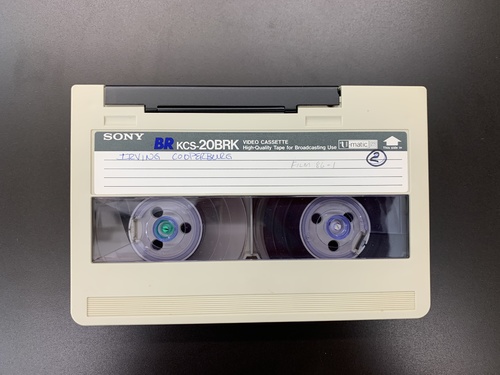
Neighborhood Voices: Irving Cooperberg [Partial interview]
Irving Cooperberg discusses the importance of having a physical, experimental space and what it means for the legitimacy and stability of the community. He discusses different LGBT groups and community spaces throughout NYC, and the ways in which they promote life and hope amidst the HIV/AIDs epidemic. He talks about how these spaces give legitimacy to the community and allow for the melding of all different cultures and people. He also discusses the gay Synagogue and its role in the larger gay and lesbian community. -
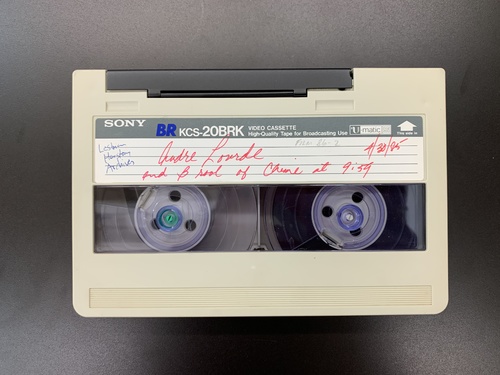
Neighborhood Voices: Audre Lorde Interview (Tape 4)
In the final part of the Old Neighborhood Voices interview with Audre Lorde, she wraps up the talk with a discussion on the drama of lesbian life in her youth. She talks about the difficulties and joys of living in community with lesbians in the 1950s and how being on the edge of society gives you a different worldview. She stresses how everyone should view themselves as an outsider so they don't lose perspective on the true sense of power structures at play in the world. -
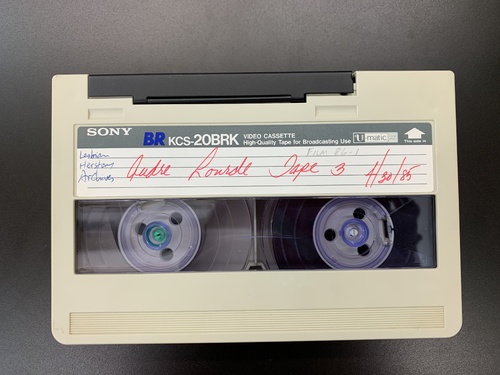
Neighborhood Voices: Audre Lorde Interview (Tape 3)
In the third part of the interview, Audre Lorde discusses the lure of the Village for gay people, black people, and others who wished for an egalitarian environment, and how sometimes they would ignore the homophobia and racism they faced in the neighborhood to hold onto this dream. Also, she discussed in more depth what she thought about the Stonewall riot, and how it felt tied to the black revolutionary movement of the time. Furthermore, she discusses at length the different gay bars she would frequent, their ties to the mafia, and the different women that would frequent them. -
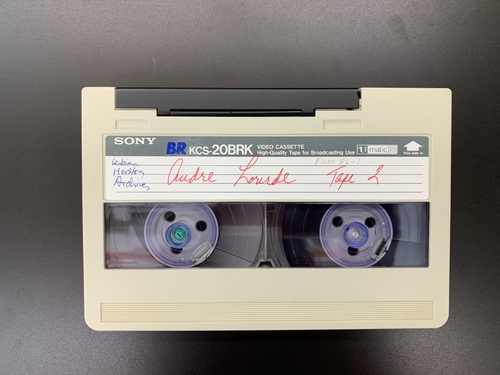
Neighborhood Voices: Audre Lorde Interview (Tape 2)
In the second part of the Old Neighborhood Voices interview with Audre Lorde, she talks about living around the Village in the 1950s - from the migrators who came into the gay bars just for the weekend, to the imagined mythos of the Village as a place for anyone outside of white, middle-class America, and to the conflicts between the older residents and the newcomers to the area. Lorde touches on what her apartments were like and the rent situation of the area, as well as scrouging together food to share with her communities as a poor person. Then, Lorde discusses the multiple lives lesbians of the time had to live and the incredible gift that integrating every aspect of herself was as she got older. She touches on the Stonewall Riot, as well as the way she had to stop arbitrarily dividing aspects of herself to make others more comfortable. -
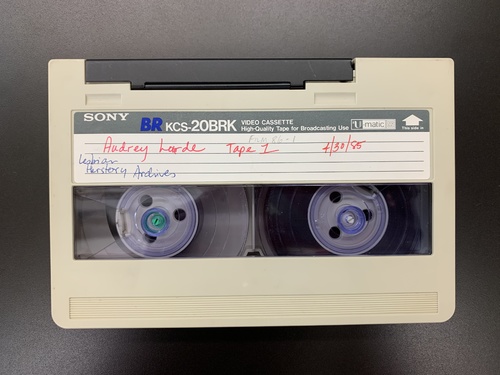
Neighborhood Voices: Audre Lorde Interview (Tape 1)
Old Neighborhood Voices interviews Audre Lorde about living as a young Black lesbian in the Lower East Side (now referred to as the East Village). She discusses the interconnectedness of the lesbian communities in the neighborhood, the imperfect support systems they offered each other when there were no other options, and the pressures of living on the edge of society. Lorde also discusses the racism that was rampant in the gay community in the Village, and how the few black lesbians within these communities were met with apathy when discussing political matters. She also discusses the effects of McCarthyism in the 1950s on her lesbian communities, as well as how she gained political consciousness growing up with the Brown v. Board of Education case, as well as by living near the Women’s House of Detention in the Lower East Side and seeing Black incarcerated women for the first time. -
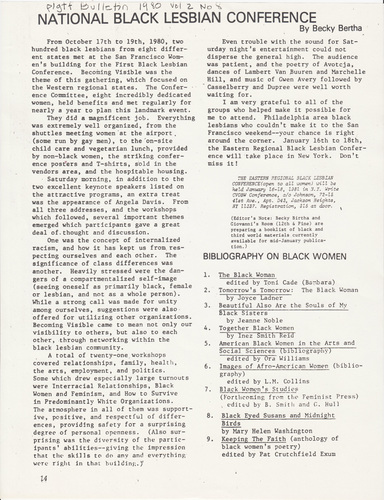
National Black Lesbian Conference
Scan of "National Black Lesbian Conference" written by Becky Bertha originally published in PLGTF Bulletin, Volume 2, Number 8, 1980. Includes Bibliography on Black Women. -
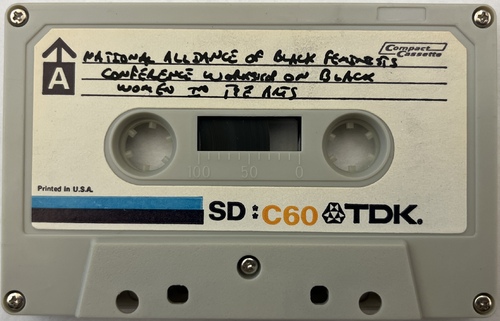
National Alliance of Black Leaders Conference Workshop on Black Women in The Arts
Speakers self-describe the show as "a tape of six creative Black women discussing the media portrayal of Black women and their confrontation of racism and sexism." Originally recorded during the "Black Women in the Arts" Workshop at the National Alliance of Black Feminists conference held in Chicago, October 21-23 [1975]. Broadcast in an episode of Everywomanspace.
(On side A) Darlene Hayes (Phil Donahue Show) discusses media portrayal. Margaret Walker Alexander (poet) discusses the problems facing the Black woman writer. Mari Evans (poet) discusses her experience as a Black woman writer. (Panel continues on side B) Carolyn Marie Rodgers (poet) also discusses her experience as a Black woman writer. Two additional panelists are featured, but their names could not be deciphered. -
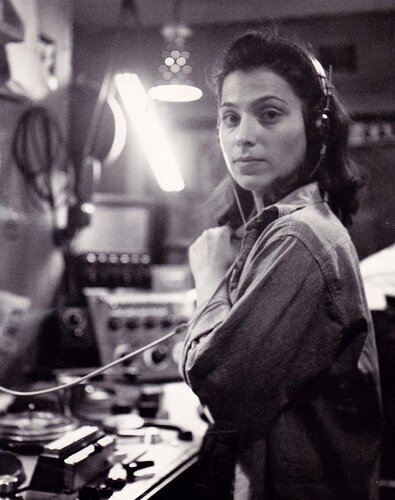
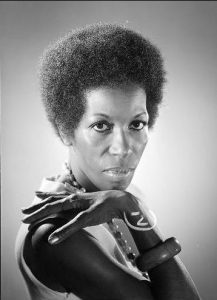
Nanette Rainone at WBAI in 1969
Black and white photo of Nanette Rainone -
-
![[2014SP]Letter to Morgan from Stella Rush Side B.mp3](/omeka/application/views/scripts/images/fallback-audio.png "[2014SP]Letter to Morgan from Stella Rush Side B.mp3")
Morgan G, Side B, November 2, 1988
This is a continuation of a previous audio recording. The recording is taken in a car ride and it is a letter for Morgan. She discusses her daily routine. -
Morgan G, Side A, November 13, 1988
This audio recording is discussing her issue with addiction and alcoholism. She opens up about having good people by her side in these hard times. -
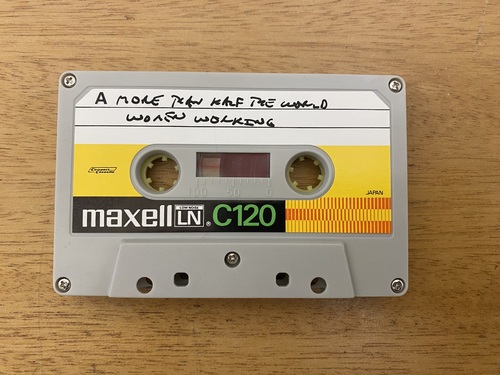
More Than Half the World - Women Working
Broadcast of More Than Half the World, noted as "More Than Half the World - Women Working" on side A and B. Judy Pasternak hosts broadcast themed around women at work. Includes excerpts from poetry, fiction, and nonfiction writing about women working. Plays music and shares updates including a fundraising plea to pay for WBAI reporters to travel to Texas for Internation Women's Day Programming. -
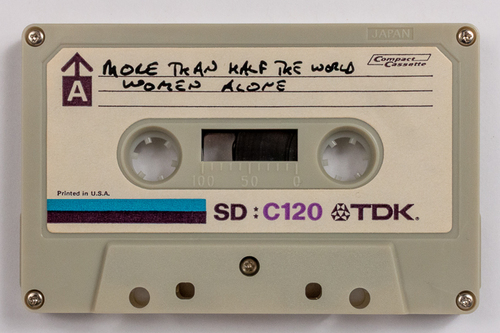
More Than Half The World - Women Alone
Broadcast of Women Alone Speak Out, noted as “Women Alone,” on both side A and side B. In this broadcast, host Judy Pasternak reflects on her experience living alone as an adult woman, in defiance of societal expectations. She plays an old set of interviews she conducted with women who also were living or had lived alone, as well as intermittent music. -
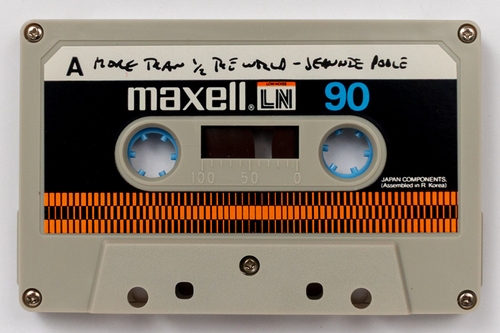
More Than Half the World - Jeannie Pool
Broadcast of More than Half the World, hosted by Jeannie Pool, and inscribed as “More Than Half the World - Jeannie Poole” on both side A and B. In this broadcast, Pool: plays several songs by women musicians, including multiple by Meg Christian; interviews Audre Lorde on The Cancer Journal; takes calls from listeners; discusses the upcoming First National Congress on Women in Music and plans to move the conference to NYU in March; discusses Heresies magazine issue No. 10 on Women in Music; interviews Sue Fink, the conductor of the Los Angeles Women's Community Chorus; and plays live recordings of the LA Women's Community Chorus performing. There are severe audio issues at the beginning of the access copy, which resolve after a couple of minutes. Note the discrepancy in Pool’s name as written in the inscribed title. -
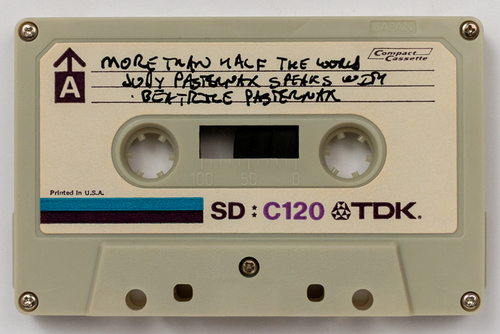
More Than Half the World - Beatrice Pasternak
Broadcast of More Than Half the World, noted as "More Than Half the World - Beatrice Pasternak" on Side A and Side B. Host Judy Pasternak interviews her mother Beatrice Pasternak, discussing the experiences of older women and ageism, and they reflect on their life experiences as women. Throughout the broadcast, Pasternak plays music and takes calls from listeners. -

More Than Half the World - Abortion
Host, Judy Pasternak, discusses abortion and the struggle for the legal right of women to have control over their bodies. In her reflection upon the legal battle surrounding this issue, Pasternak notes that the majority of the individuals making these decisions from a federal level down to its local implementation are male identifying. In her past experience and many other of the callers, the medical infrastructure and service providers were male which they felt impacted their care and the comportment of the medical team. -
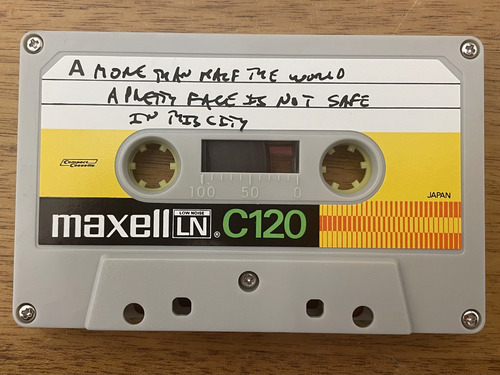
More Than Half the World - A Pretty Face is not Safe in this City
Side A: Host discusses women's rights and justice in the United States. Show features various feminist musicians. ^^Side B: Host and callers discuss women in music, societal change as well as women’s rights. -
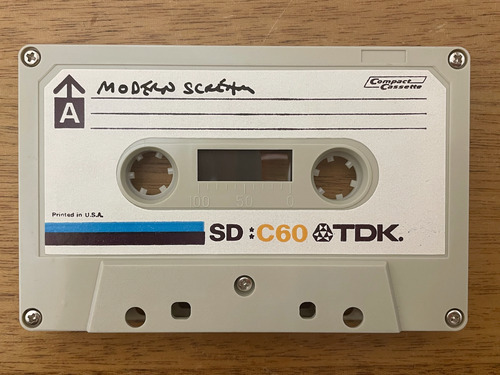
Modern Scream
Side A opens with Viv Sutherland introducing Lily Tomlin’s comedy album Modern Scream on the WBAI Women’s Studies program. The bulk of the tape features Tomlin’s satirical sketches, where she voices multiple characters. Highlights include a bizarre monologue from a woman addicted to rubber, a mock celebrity interview parodying Hollywood shallowness, a chaotic sorority speech full of performative morality, and a child’s monologue touching on emotional contradictions. The humor is absurdist, character-driven, and rooted in media and gender satire.
Side B continues with more sketches from Modern Scream, maintaining the format of comic vignettes performed by Tomlin. It features a flashback to Detroit high school life, a surreal phone company sketch, a spoof interview about playing a heterosexual woman, a parody detergent commercial that turns into a soap opera-style meltdown, and a long sermon from “Sister Boogie Woman” celebrating radical self-expression. The tape closes with Sutherland’s sign-off and a preview of upcoming feminist programming. Like Side A, it’s rich in satire but not thematically aligned with our themes. -
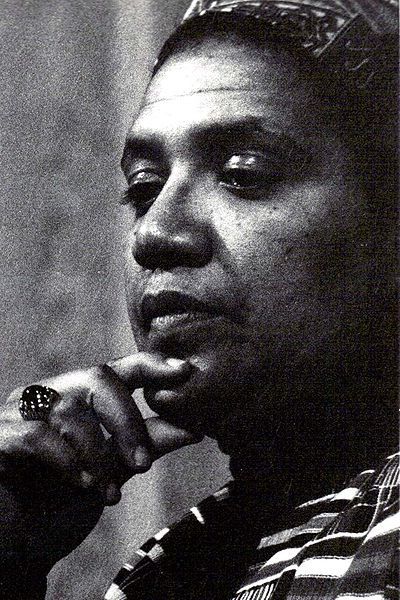
Modern Language Association Conference in Chicago, 1977
Modern Language Association Conference in Chicago, December 1977. Lesbian Feminist Poetry Reading featuring six poets. Side A includes Joan Larkin, Barbara Smith and Diedre McCalla. Side B includes Melanie Kaye, Adrienne Rich and Audre Lorde; Audre Lorde appears at 28:07 on SPW1151_B (Side B). -
Memorial Service Helen J. Sandoz, Side A, July 19, 1987
This tape is a recording from the memorial service for Helen Sandoz on July 19, 1987. The recording is of a religious service for Sandy with various readings from the Bible as well as religious music. After the religious ceremony, friends and loved ones told humorous and moving stories about Sandy. -
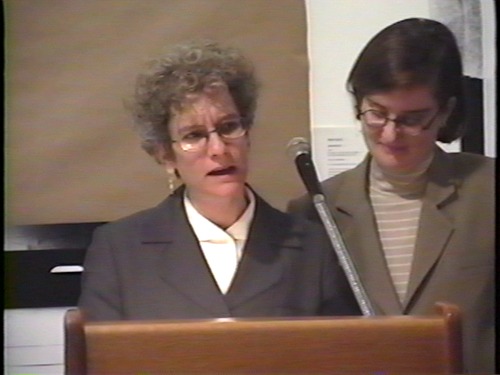
Memorial Service for Diane Cleaver (Part 2)
Friends and family gather at the funeral of Diane Cleaver to share stories, reminisce, and pay homage to her. -
Megan Christian and Holly Near Concert (Side A)
Live recording of Meg Christian and Holly Near performing at 1976 LFF concert. Note: playback speed changes so there is a brief cut in audio around the 12 min mark; poor sound quality. -
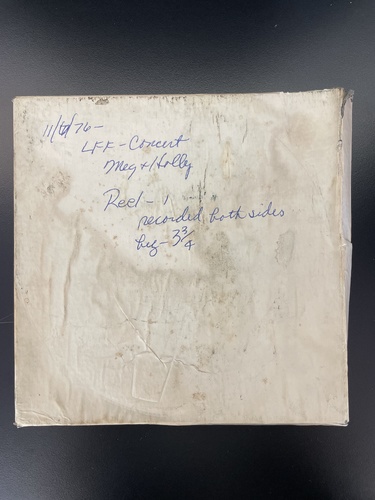
Meg Christian and Holly Near Concert (Side B)
Live recording of Meg Christian and Holly Near performing at 1976 LFF concert. Note: Poor sound quality -
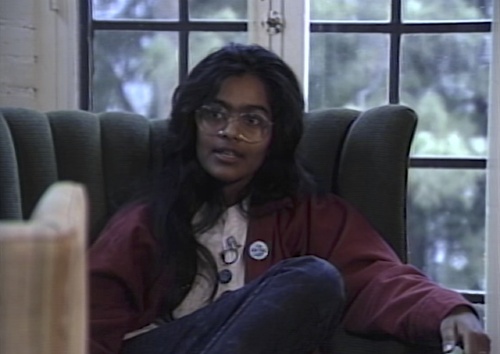
Meeka Interview (Tape 2)
Interview with 19 year-old Mount Holyoke student Meeka on her experiences with taking Barbara Smith's class. She talks about Black Feminist analysis, colorism, and intersectional feminism. -
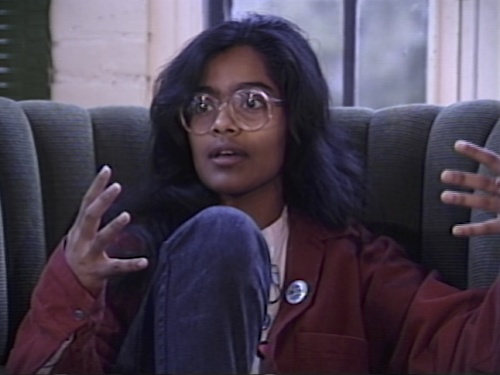
Meeka Interview (Tape 1)
Interview with 19 year-old Mount Holyoke student Meeka on the structure of and experiences in Barbara Smith's class. She highlights a presentation on “Homegirls”and talks about discussions in the class surrounding culture and experiences of women of color. -
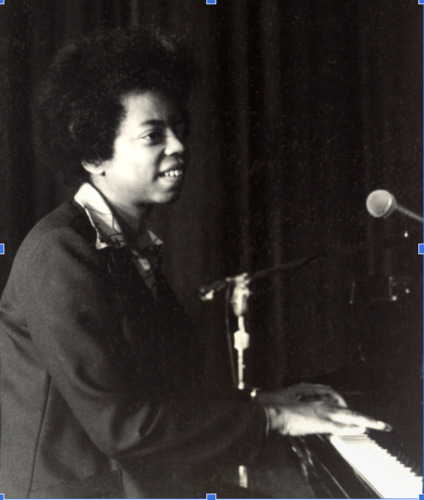
Mary Watkins
Mary Watkins -
Mary T., July 7, 1978 (Tape 2)
Mary describes the bar scene, parties, fashion, music, bar layouts, and fights at Bingo's and Carousel bars. -
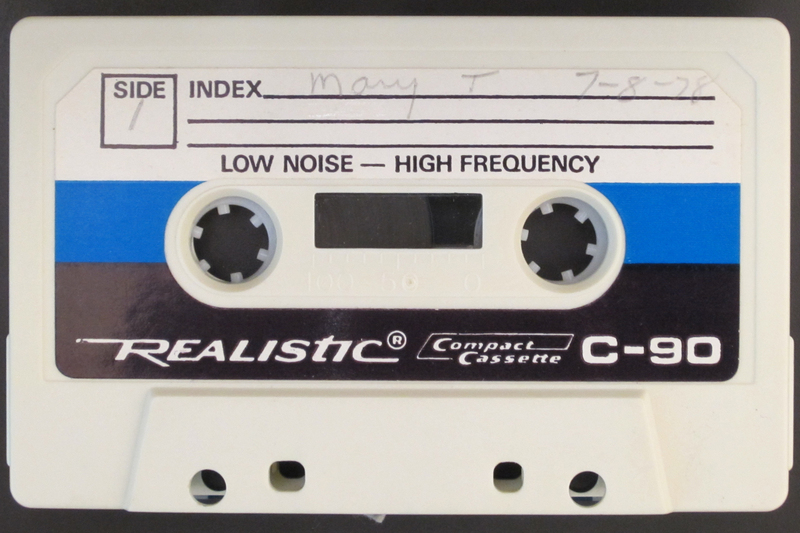
Mary T., July 7, 1978 (Tape 1)
Side A: Mary briefly describes her childhood and family dynamics. Mary and the interviewer then discuss the first time Mary recognized being different and her thoughts on desiring women at a young age, yet not knowing about lesbianism as a concept or about the lesbian community. Mary then recalls the first time she encountered the word "lesbian" when she joined the U.S. Air Force and describes her experiences with women while in the service. Mary talks about being a lesbian in the military, the investigation into her conduct, and her dishonorable discharge. After Mary got another job, she started going to a bar in Buffalo, N.Y., and she talks about the other lesbians she met there. Mary then discovered other bars and talks about the scene as well as the role-playing of butch and femme.
Constant whirring noise that stops about 10 minutes into the recording.
Side B: Mary continues the discussion on butch and femme role-playing. She elaborates on fights, holding down jobs, and being "out." She also explains the relationships lesbians had with gay men in Buffalo, N.Y., and the bar scene dynamics of mixed, gay, or lesbian bars. Mary and the interviewer discuss gay activism and the difficulties of being involved in activism at that time. Mary also describes outings where there was a risk of being visible as a group, such as going on picnics or renting cottages. She elaborates on her experience with social dynamics like cliques and having heterosexual friends within the lesbian and gay community. Mary then expands upon the nature of her relationships with women as well as with black lesbians - racial prejudice and relationships are discussed.
Constant whirring noise that stops about 5 minutes into the recording. -
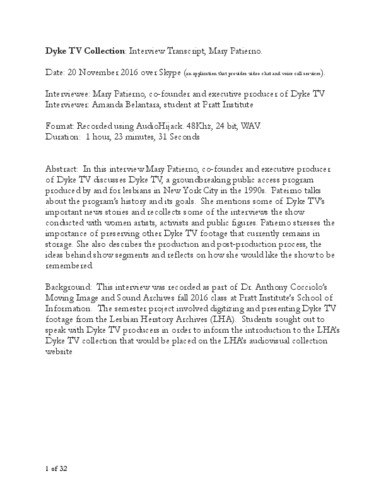
Mary Patierno Interview Transcript
In this interview Mary Patierno, co-founder and executive producer of DykeTV discusses DykeTV, a groundbreaking public access program produced by and for lesbians. Pateirno talks about the program’s history and its goals. She mentions some of DykeTV’s important news stories and recollects some of the interviews the show conducted with women artists, activists and public figures. Patierno stresses the importance of preserving other DykeTV footage that currently remains in storage. She also describes the production and post-production process, the ideas behind show segments and reflects on how she would like the show to be remembered.
The transcript can be searched when viewed in the document viewer below. -
Mary Patierno Interview [I Was a Lesbian Child excerpt]
Edited excerpt from an interview with Mary Patierno, cofounder of Dyke TV with Linda Chapman and Anna Maria Simo. In this excerpt, Mary describes the I was a Lesbian Child segment that was sometimes included in Dyke TV programs. -
Mary Patierno Interview [From the Archives excerpt]
Edited excerpt from an interview with Mary Patierno, cofounder of Dyke TV with Linda Chapman and Anna Maria Simo. In this excerpt, Mary describes the From the Archives segment that was sometimes included in Dyke TV programs. -
Mary Patierno Interview [Eyewitness excerpt]
Edited excerpt from an interview with Mary Patierno, cofounder of Dyke TV with Linda Chapman and Anna Maria Simo. In this excerpt, Mary describes the Eyewitness segment that was sometimes included in Dyke TV programs. -
Mary Patierno Interview [Arts segment excerpt]
Edited excerpt from an interview with Mary Patierno, cofounder of Dyke TV with Linda Chapman and Anna Maria Simo. In this excerpt, Mary describes the "The Arts" segment that was sometimes included in Dyke TV programs. -
Mary Patierno Interview
In this interview Mary Patierno, co-founder and executive producer of Dyke TV discusses Dyke TV, a groundbreaking public access program produced in New York City by and for lesbians. Pateirno talks about the program’s history and its goals. She mentions some of Dyke TV’s important news stories and recollects some of the interviews the show conducted with women artists, activists and public figures. Patierno stresses the importance of preserving other Dyke TV footage that currently remains in storage. In addition to providing more detail about the structure of the episodes, Patierno discusses her experience creating the show, the circumstances surrounding the show’s founding, and the show’s legacy as the first lesbian content on television.
*Note: The interview was recorded using an online call service. -
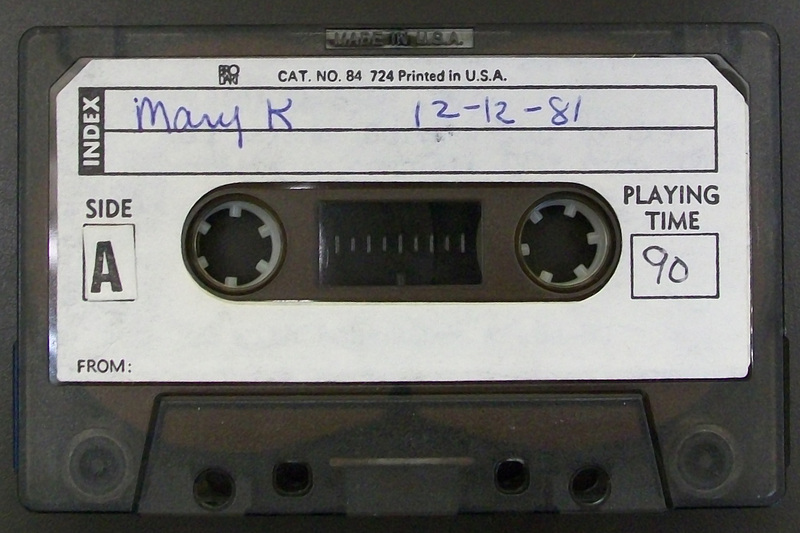
Mary K., December 12, 1981
Side A: Mary discusses her experiences in the gay community in Buffalo in the 1950s. She discusses in detail the gay bar scene and describes the clientele at the Carousel, Bingo's, and the Chesterfield. The interviewee also describes the dynamic of the relationships she experienced and observed in terms of both race and gender identity. Mary also discusses prostitution in the Buffalo community during the 1950s. She describes some of her own sexual and relationship experiences.
Side B: Continuing the conversation from Side A, Mary discusses in more detail the types of people she observed in the various bars in Buffalo, as well as her family. She explains that she got along with her family, but never came out to them, in spite of which her father never questioned her about her relationships or pressured her to get married. She also discusses the socio-economic status of various gay communities throughout Buffalo. Both the interviewer and the interviewee discuss butch and femme identities within the larger context of the lesbian community in Buffalo. Mary speaks in more detail about her social experiences. -
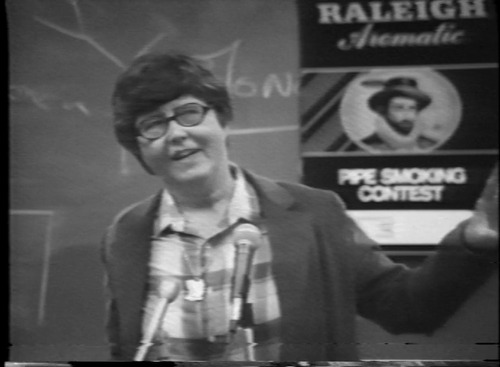
Mary Daly Lecture / Unidentified Dance
Tape is divided into two sections.
In the first section, radical feminist and theologian Mary Daly lectures about misogyny in the medical field, including the widespread use of Hormone Replacement Therapy for menopausal women and the increased risk of cancer associated with the birth control pill. She also informs her audience about the career of surgeon James Burt who, for approximately 30 years, reconstructed women’s genitalia after childbirth, often without consent, thinking that they were poorly designed for sexual pleasure.
The second section of the tape, which is in poor condition and has soft focus, features a woman performing a dance. -
Mary Ann, October 15, 1988 (Tape 2)
Mary Ann talks about posing as a prostitute for men in a straight bar. She would arrange a meet-up location and then she and two girl friends would overpower and rob men. She describes several muggings she and her two friends carried out. One happened in a hotel; another took place in a man's house with his family there. She claims she and her friends never hurt anybody "more than they had to." Mary Ann also talks about the distinction between gay bars and bars where she would go to hustle. Gay bars were places to have fun with friends and not for prostitution. In one aside, the interviewer asks Mary Ann why she calls her girlfriend "my man," to which she replies that's the way her lover wanted to be addressed. -
Mary Ann, October 15, 1988 (Tape 1)
Side A: Mary Ann discusses her experiences going out in public with her girlfriends, and the treatment they receive at restaurants, bars, and on the street. She mentions that their public treatment is very often instigated by the masculine way her partners are dressed; she herself has always been very femme. Mary Ann talks about her incarceration for robbery, and her time in a psychiatric hospital for depression and attempted suicide.
Side B: Mary Ann continues to discuss her time in jail. She took on a butch look, and began to receive small gifts under her cell door from femme girls in other divisions. She developed relationships with different girls that she worked with while in jail, and talks about lookouts, or "chickies," standing watch for girls who were with their partners in the showers or elsewhere. She then talks about her sex life with a long-term partner of 22 years, with whom she raised foster children. Later, she touches on her job as a dancer at Buffalo clubs, and a two-year period when she worked as a prostitute. -
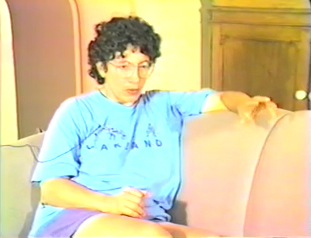
Martha Shelley Interview, June 24, 1989
Martha Shelley is interviewed in New York in 1989. She talks about being a lesbian in New York from the 1960s, the negative views of lesbians portrayed by psychologists, the bar scene, roles and her use of a pseudonym. She talks about finding DOB, the meetings and discussions that took place, and her contributions to the Ladder. She talks about Jean Powers and other members of DOB and describes the members as mixed race, working class, couples and singles. She also talks about her political activism in terms of DOB, peace, civil rights and the Stonewall Riots, including the marches she was involved in and the speeches she made. -
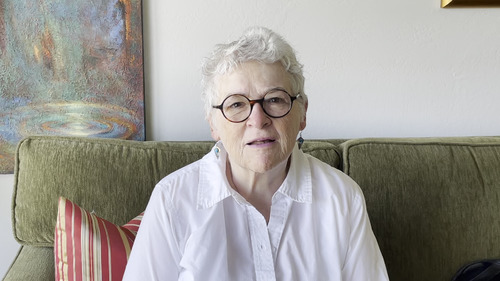
Marlene Michelson Interview
In this oral history conducted by the Rossmoor Lesbian Social Club, Marlene Michelson discusses Her early realizations of her sexuality, her work at the Oakland tribune starting in 1962 which began her 30 year career as journalist, her marriage to a man and experience raising two children, her ultimate separation from her husband, and her subsequent introduction to the lesbian scene in the Bay Area. She also discusses her late coming out after she arrived at Rossmoor and the start of the Rossmoor Lesbian Social Club. -
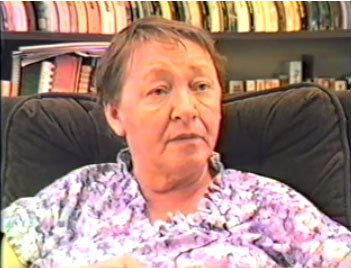
Marion Zimmer Bradley Interview, October 17, 1988
Marion Zimmer Bradley talks about her experience growing up, her marriage and children, being a woman writer in science fiction, writing for The Ladder, and discrimination in publishing. She also touches upon her struggles as a lesbian mother. -
-
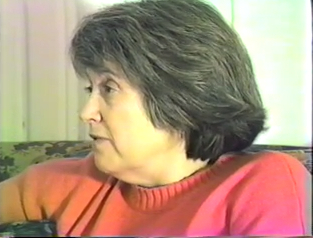
Marilyn Lamkay Interview, April 8, 1987
Marliyn Lamkay is interviewed in New York City in 1987 (it seems to continue from a previous video and is perhaps continued in another video). She talks about being a lesbian in New York and coming out to her family and professionally, her relationships and religious beliefs. She discusses lesbian roles and how she didn't fit into any of the existing roles, even in the DOB community. She discusses community building and CR groups when she was younger and how she went on to hold workshops about resources for gay and lesbian New Yorkers at Bronx Community College. She mentions New YorkDOB meetings and the influence that DOB had in the creation of subsequent lesbian groups and communities. -
-
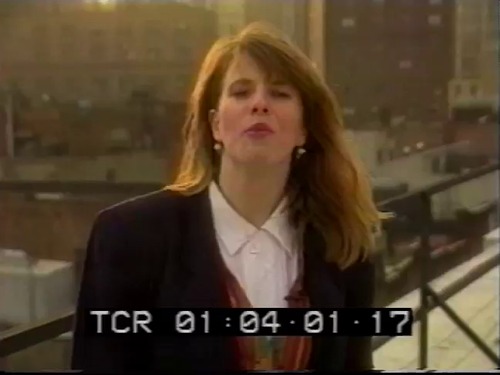
Maria Maggenti Interview
This segment shows a short interview with filmmaker Maria Maggenti about her 1995 film The Incredibly True Adventures of Two Girls in Love. Maggenti first developed the script of the film as a project for NYU’s Graduate Film Program, but abandoned it after several years of trying to work through much darker themes. She explains that, while the film deals with highly politicized topics like coming out, and interracial relationships, the film’s tone remains light and comedic. In this segment, Maggenti describes the making of the film, which included a crew that was entirely women, none of whom were paid; rather, she explains the film provided women the opportunity to expand their careers in the industry. The film was released on June 16th, 1995, and distributed by New Line Cinema. It also participated in several film festivals in 1995, including Sundance.
-
-
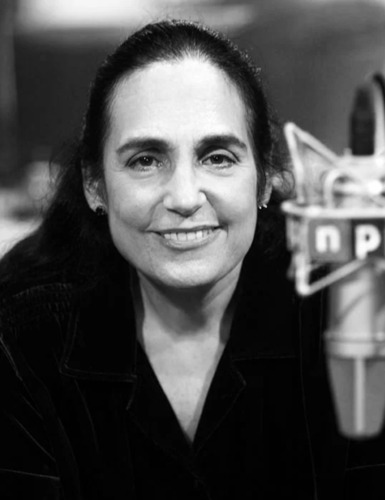
Margot Adler in 2006: Michael Paras/NPR
Margot Adler in 2006 -
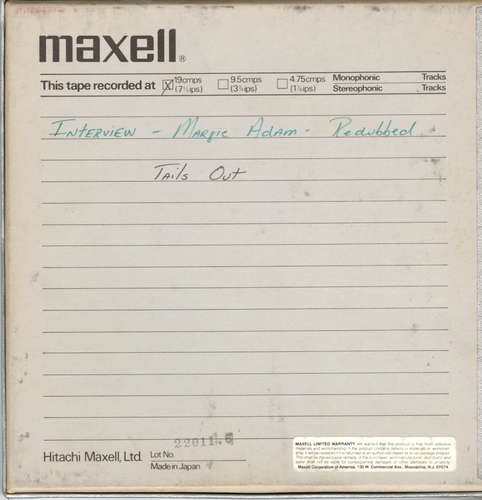
Margie Adam Interview [Redubbed]
Margie Adam is interviewed by Ruth Scovill. Margie performs music, woven between interviews, in this redubbed interview. She discusses women’s music as not being mainstream music, as well as the politics of women’s music, and need for women’s production companies. She mentions the importance of networking with women-owned companies and businesses. Redubbed. -
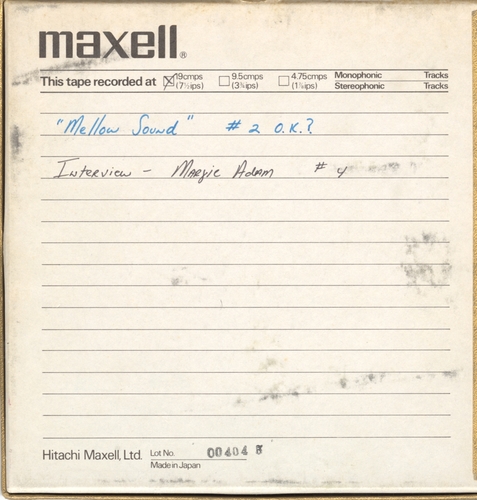
Margie Adam Interview (Part 4)
Margie Adam is interviewed by Ruth Scovill. Margie talks about the value of women musicians as speaking out for women’s communities. She discusses the roles of feminism and autonomy in women’s music. Margie talks about what it is like to be a traveling musician, and bands on tour, acknowledging that most women musicians at the time are soloist, white, middle-class women. She talks about trying to be accessible to audiences through music. Part 4 of 4. -
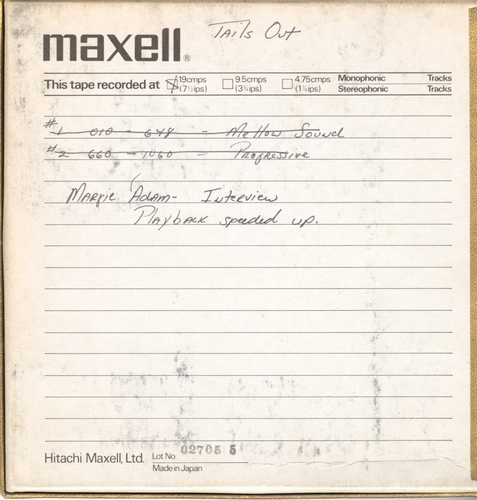
Margie Adam Interview (Part 3)
Margie Adam is interviewed by Ruth Scovill. Margie continues the interview, discussing her song-writing style, and musician performance technique. She is passionate about music for social change, and talks about difficulties making a living as a performer, specifically focusing on the financial responsibilities as a musician with women audiences. Part 3 of 4. -
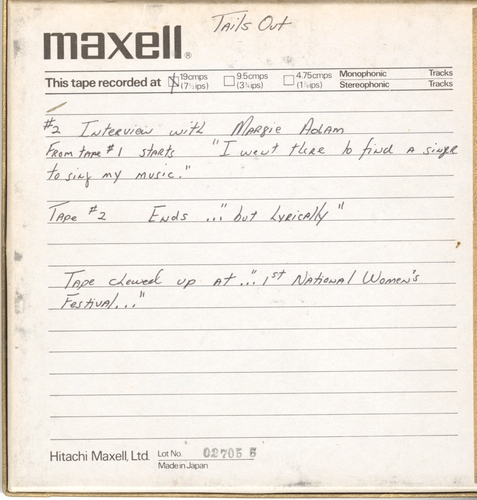
Margie Adam Interview (Part 2)
Margie Adam is interviewed by Ruth Scovill. Margie talks about the Women’s Movement, and the National Womens’ Music Festival in Champaign-Urbana. She discusses definitions for women’s music, feminist music, and her song writing. Part 2 of 4. -
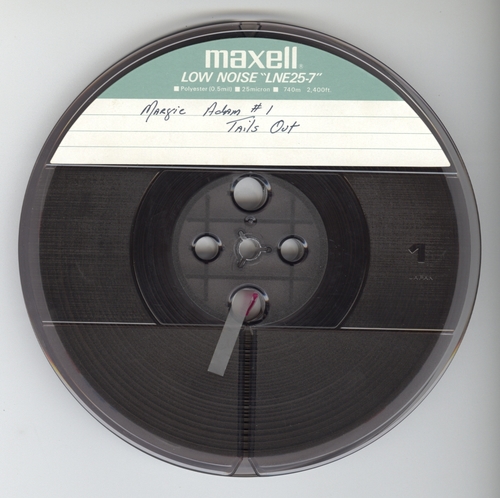
Margie Adam Interview (Part 1)
Margie Adam is interviewed by Ruth Scovill. Recorded April 1, 1976. Margie speaks about growing up with music in the home, and the role of music in civil disobedience. She mentions being deeply affected by tragedies of the day, including the Kent State Massacre, and how it informed her relationship with music, and later moving to California. Part 1 of 4. -
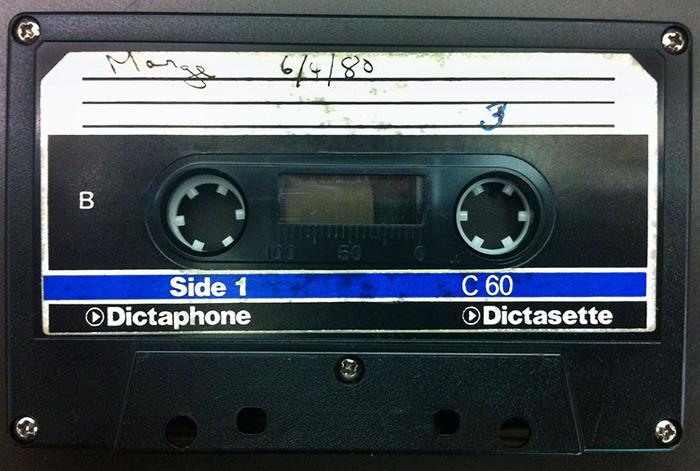
Marge, June 4, 1980
Marge speaks of the bars in Buffalo, NY in the 1950s, specifically Bingo's, Chesterfield, Dugan's, Mardi Gras, and Carousel, which had more of an established lesbian clientele. She tells how Carousel changed from a lesbian to gay crowd in the late 1950s and eventually closed because of allowing "careless" behavior. She felt patrons of gay bars in the 1950s were more respectful than at the time of the interview in 1980. Marge was arrested for serving a minor female, which she felt was an attempt to close the bar where she worked. The tape cuts off at the end of the second side. -
-
-
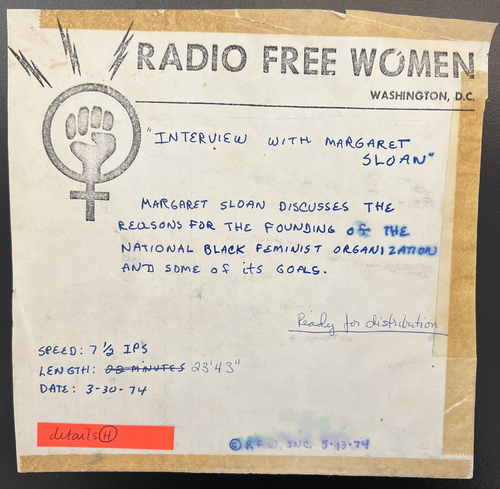
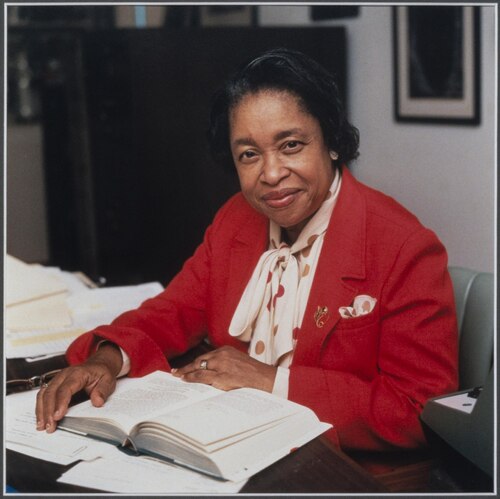
Margaret Sloan
Sloan is the President of the National Black Feminist Organization. She discussed NBFO’s mission to provide an organization for black feminists who felt the need to fight both sexism and racism at the same time. She discussed the formation of the organization and the eastern conference on black feminism. -
March on Washington/Pacifica Program Service, 1979 (Tape 1 of 4)
Tape 1 of 4 of a collection of cassette recordings of the NPR/Pacifica Radio national broadcast of coverage of the 1979 Washington DC march and rally for gay rights. Side A includes speeches by Robin Tyler, Troy Perry, Adelle Starr, and Michiko Cornell, as well as brief interviews with spectators in the crowd. Topics covered on side A include general theme of gay rights, as well as advocacy for gay youth and gay Asian Americans. Side B includes speeches by Rene McCoy, Bill Blish, Arly Scott, Maria Diaz, and Steve Alt, as well as brief interviews with spectators in the crowd. Topics covered include general gay/civil rights themes, advocacy for promotion of parental support for gay/lesbian children and discussion of Mayor Berry decision to declare "Gay/Lesbian Awareness Week". Side B. also also includes the song, "Not Anymore", (performed by Celebration). -
March on Washington / Pacifica Program Service, 1979 (Tape 4 of 4)
Rally mediated by Audre Lorde given at the March on Washington on October 1979. Speech topics include rights of LGBT prisoners, parents, immigrants, and atheists. -
March on Washington / Pacifica Program Service, 1979 (Tape 3 of 4)
March on Washington on October 14, 1979, which dealt with the civil rights of the gay and lesbian community. Participants included Audre Lorde (who can be heard on side A about 80% through), Allen Ginsberg, Peter Orlovsky, Ted Weiss, Gotham, Tom Robinson, Howard Wallace, Kate Millet, and Flo Kennedy. Key topics included civil and human rights, the labor movement, racism, sexism, and love. Short technical glitches occur on Side A. -
March on Washington / Pacifica Program Service, 1979 (Tape 2 of 4)
The second of four recordings of Pacifica Radio coverage of the National March on Washington for Lesbian and Gay Rights on October 14, 1979. Musical performances by Mary Watkins, Meg Christian, and Holly Near. Speeches by Ray Hill and Charles Law. -
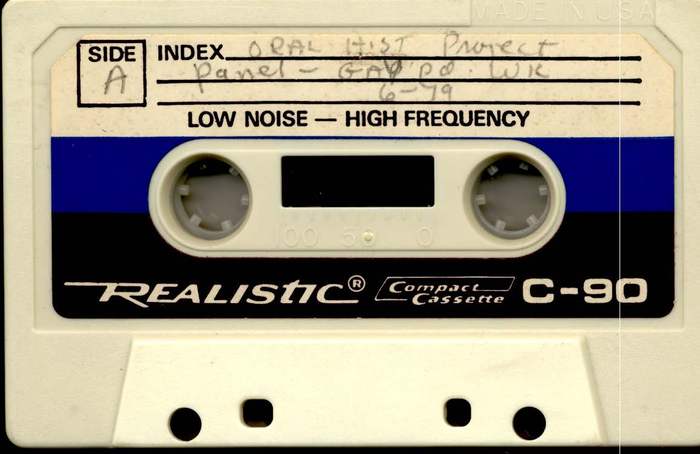
Madeline Davis and Liz Kennedy. Boots of Leather Oral History Project Panel Gay Pride, 1979
Side A:
Panel discussion on the history of the archives, including a brief introduction on how they gather information through different interview procedures within the Lesbian community in order to build the oral history project.
Side B:
Panel discussion continues with topic brought up in side A. -
MAD Boston
Proceedings from the MAD Conference in Boston -
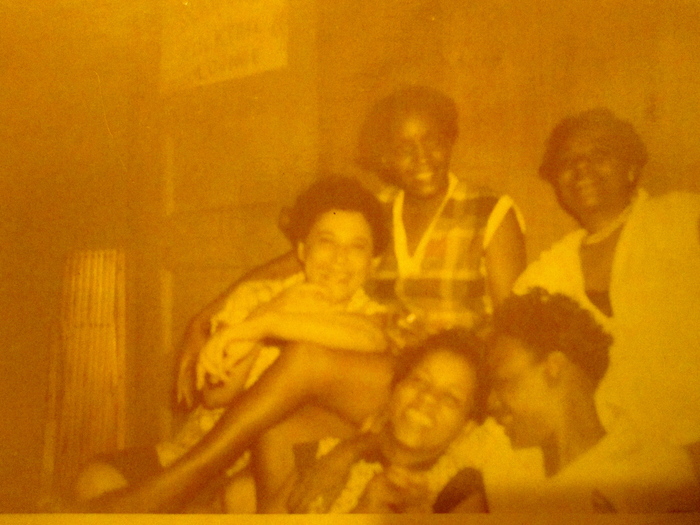
Mabel's Parties / Mabel Hampton, 1981 (Tape 1)
Oral History interview dated . Side A: Mabel talks about the parties she attended, the atmosphere, the people she met and the music she listened to. She also speaks in detail about romantic relationships with specific women and her first love from Coney Island. Her love of classical music is also discussed, which began when she started her first job. -
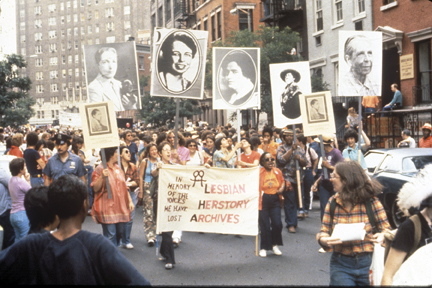
Mabel Hampton's Story, July, 1986 (Tape 4)
Mabel describes her life after being released from Bedford Hills, relationships with women in the early 20th century, economic and working situation, and more details about her family history (including the murder of her mother, the death of her father, Mabel's rape by her uncle). -
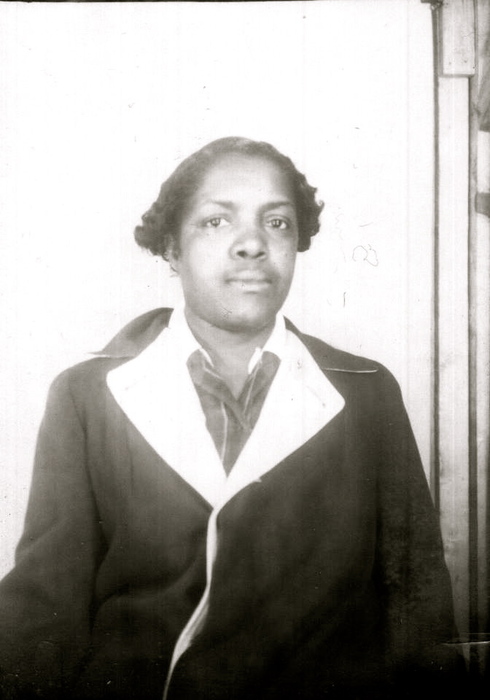
Mabel Hampton's Story, July, 1986 (Tape 3)
Mabel describes her 1923 arrest (at age 18) and term at Bedford Hills Prison, and the period shortly thereafter. -
Mabel Hampton's Story, July, 1986
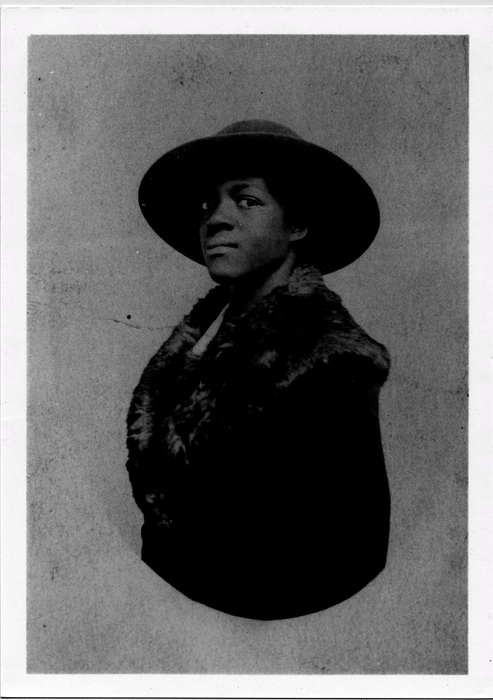
Oral history interview of Mabel Hampton. Mabel describes running away from home and the New Jersey family who cared for her, while they sought Mabel's family. Mabel falsified her personal information in order to avoid reuniting with her abusive uncle in New York. Mabel speaks of her early 20s, her interaction within the underground gay and lesbian community. She begins explaining her 1923 arrest at Bedford Hills Prison and how she was setup by her friend's husband for prostitution. Side A = 9:38 minutes -
Mabel Hampton's Journey to New York
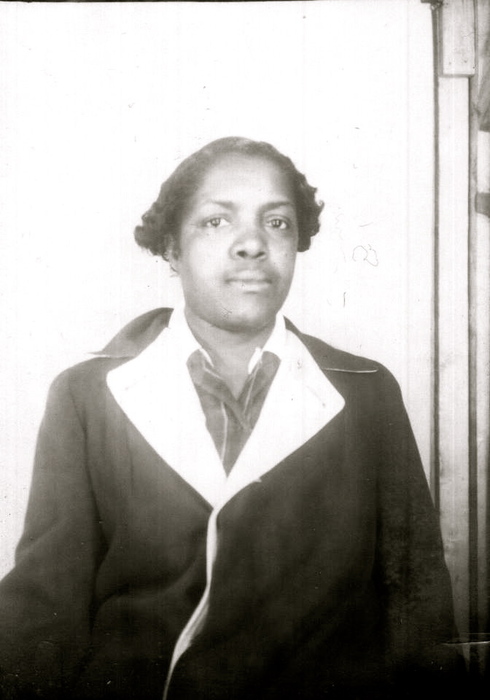
Oral history interview of Mabel Hampton. Mabel describes her early childhood and rural upbringing in Winston-Salem, North Carolina. She details her journey from Winston-Salem to New York City to live with her aunt. Mabel continues her story with her development into a young lesbian woman and the issues concerning lesbianism in the North versus the South. She speaks about her lifestyle and her no-regrets stance on her life. Her connection with her childhood is vivid and candid and is described in detail. -
Mabel Hampton, November 28, 1986 (Tape 1)
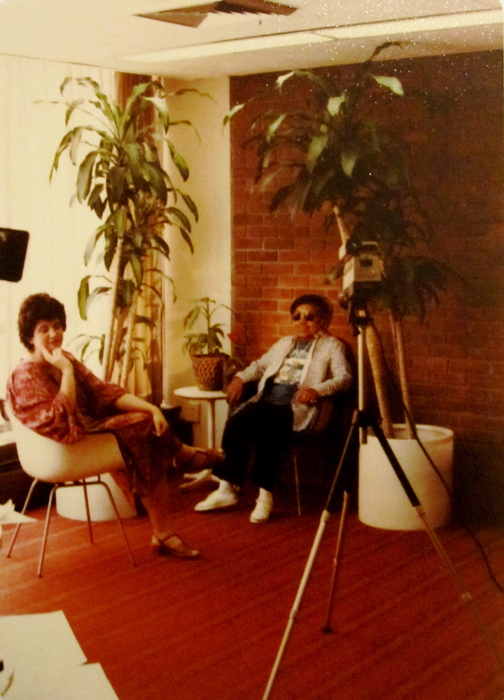
Mabel talks about her life at theater Lafayette on Coney Island in the 20s. She also talks about the dress code of her and her friends; also the language describing lesbians back in the 1920s. -
Mabel Hampton, Morgan Gwenwald, Pam Hicks: Breakfast at Pam's, April 9, 1989 (Tape 2)
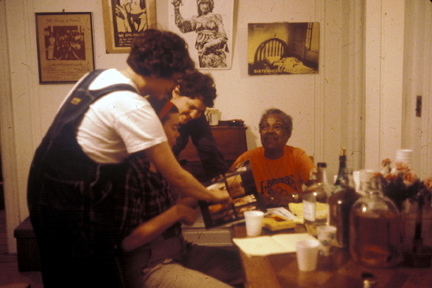
Pam Hicks and Morgan Gwenwald chat with Mabel Hampton over breakfast about mundane topics, including lost keys and colors. The three get in a car and try to find the cemetery where Mabel has purchased a plot to be buried in. They locate the cemetery, but it is closed to visitors, so they proceed on to see if they can find where she purchased the tombstone. -
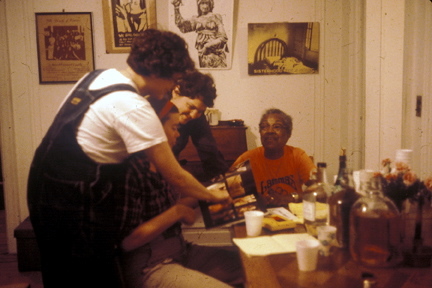
Mabel Hampton, Morgan Gwenwald, Pam Hicks: Breakfast at Pam's, April 9, 1989 (Tape 1)
Morgan Gwenwald visited Mabel Hampton at Pam Hicks' place. Over breakfast, they talked about the dreams Mabel had been having lately, how people thought about her. Morgan made plans to visit Lillian's cemetery with Mabel together and listened to a tape that Mary gave Mabel.