
Browse Items (771 total)
Sort by:
-
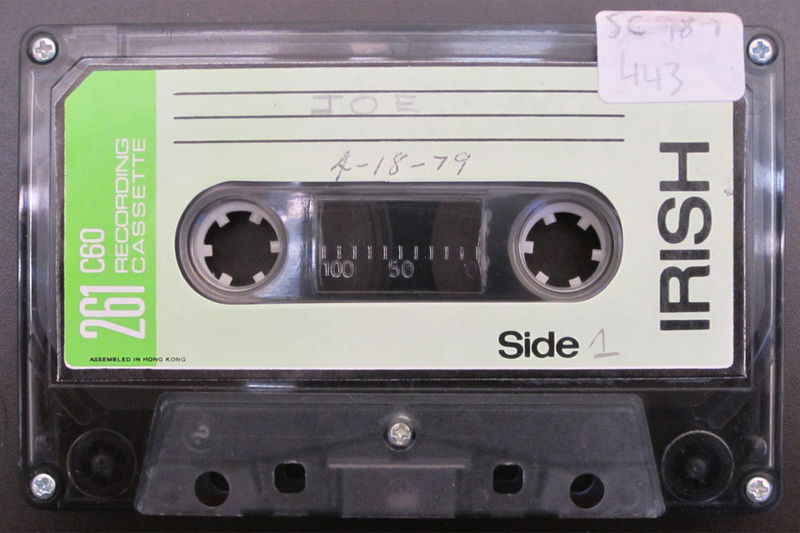
Joe, April 18, 1979 (Tape 1)
Side A: Joe talks about the social atmosphere in the 1920s through the 1940s. He talks about Service Clubs and Music Circles as vehicles for social interaction but claims not to know of any exclusively gay or lesbian social groups. He also talks about the one gay bar in town in the 1930s and '40s and calls it "middle class at best."
Side B: Joe talks about social clubs (all men's clubs) and how gay society functioned within these clubs. He also talked about sports and gay women at the time. -
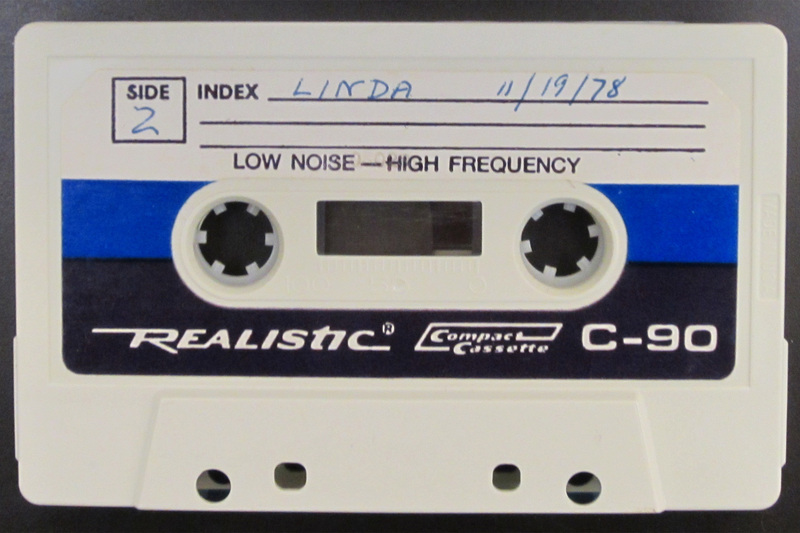
Linda, November 19, 1978 (Tape 1)
Linda talks about her relationships and the idea there are no longer clearly defined lesbian roles (i.e. butch and femme) in relationships, as there were when she first came out in the 1960s. She describes her family life growing up and when she came out to her family. -
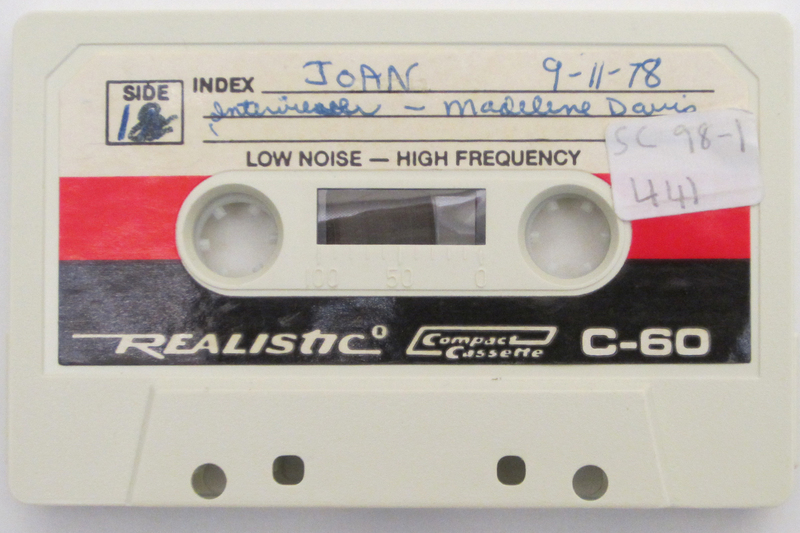
Joan, September 11, 1978 (Tape 1)
Side A: Joan discusses the distinction between butch and femme lesbians, the differences between the white and black gay communities, the Buffalo lesbian bar scene, and coming out in the 1960s.
Side B: Joan discusses the class divisions in the lesbian community, the university gay scene, and her personal, professional, and romantic history.Tags Bars, Buffalo Women, Butch and femme, Colleges and universities, Coming out, Communities, Identity, Lesbian and gay experience, Lesbian bars, Lesbian community--New York (State)--New York, Lesbian Herstory Archives, Lesbianism, Lesbians--United States--History, Lesbians--United States--Identity, Lesbians--United States--Interviews, Madeline Davis, Oral history -
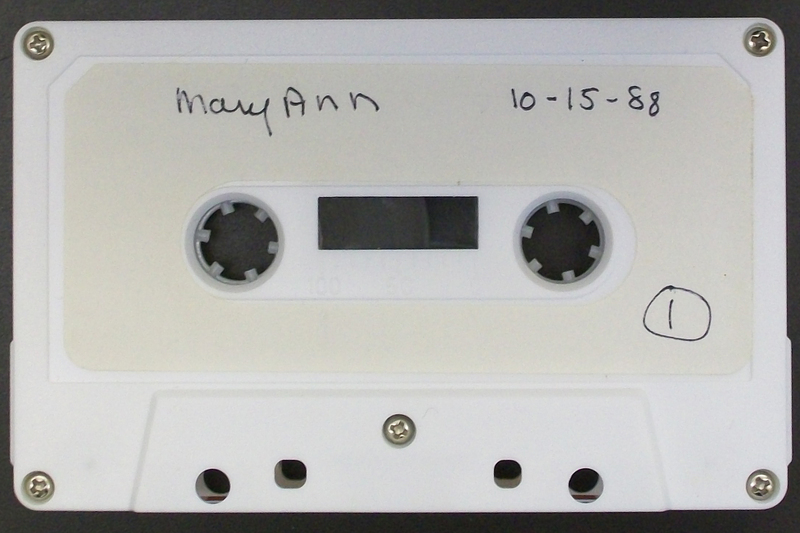
Mary Ann, October 15, 1988 (Tape 1)
Side A: Mary Ann discusses her experiences going out in public with her girlfriends, and the treatment they receive at restaurants, bars, and on the street. She mentions that their public treatment is very often instigated by the masculine way her partners are dressed; she herself has always been very femme. Mary Ann talks about her incarceration for robbery, and her time in a psychiatric hospital for depression and attempted suicide.
Side B: Mary Ann continues to discuss her time in jail. She took on a butch look, and began to receive small gifts under her cell door from femme girls in other divisions. She developed relationships with different girls that she worked with while in jail, and talks about lookouts, or "chickies," standing watch for girls who were with their partners in the showers or elsewhere. She then talks about her sex life with a long-term partner of 22 years, with whom she raised foster children. Later, she touches on her job as a dancer at Buffalo clubs, and a two-year period when she worked as a prostitute. -
Pat and DJ, November 11, 1986 (Tape 1)
Side A: Liz and Madeline ask Pat and DJ for feedback on a draft of "Boots of Leather, Slippers of Gold." Pat claims the book paints too rosy a picture of lesbian life, underplaying the prejudice most lesbians encountered in the 1940s and '50s. Both talk about the Buffalo bar scene in the 1940s and '50s: mentioned are Carousel, Bingo's, the Chesterfield, Ralph Martin's, the Mardi Gras, and the Midtown. The discussion shifts to relationships, faithfulness, and prostitutes.
Recording has loud feedback sounds and squeaks at the beginning.
Side B: Pat and DJ discuss bar denizens vs. lesbians who did not frequent bars and the "class" distinction there, and also the way non-butch lesbians looked down on butches. DJ describes how her long-term relationships were analogous to marriage, where she was the breadwinner and her partners were housewives who perhaps worked but did not "provide." Both discuss the fact that in the 1940s and '50s butches had the freedom to have affairs whereas femmes were expected to be faithful. This created an atmosphere of mistrust in which monogamous long-term relationships became very difficult.
Recording has loud squeaks at the beginning, hisses throughout, and cuts off abruptly at the end. -
Pat, June 6, 1978 (Tape 2)
Side A: Pat talks about her childhood in North Port, N.Y., her relationship with her parents and siblings. She goes into detail about her estranged relationship with her older sister. She describes when she first knew that she was a lesbian and tells the history of her relationships with women. She starts with her first affair at age 13, with a nun from her Catholic school - Sister Eugenie - to a relationship she had with Maryann (Marty). She describes her time at nursing school in Niagara Falls, N.Y., and the gay bars she frequented until she moved to Florida with her then girlfriend. She says she moved to Buffalo, N.Y., in the late 1950s, and describes the Buffalo bar scene, mentioning Dingles, Mardi Gras, the Chesterfield, the Carousel and the Carol Hotel. Pat mentions that the Carousel was very elite, something she did not like. This leads her into a discussion on “role play†and how important it was to distinguish oneself as either a butch or a femme. She classified herself as butch, but stated that she was very uncomfortable with the label and now prefers to be less overt.
Side B: In this interview Pat talks about how she does not like or feel comfortable in the gay community. She has never identified with it, or been made to feel welcome. This is one of the reasons that she does not maintain friendships with other lesbians, unless she is having a sexual relationship with them. She mentions being victimized and physically assaulted because she was a butch lesbian. Interviewer Madeline enters the discussion, speaking about her own sexual experiences with women. Madeline classifies Pat as “untouchable,†something that Pat denies, stating that she is simply very private. She feels that sex is a necessary but not important part of a relationship; it is something that is never sought or welcomed. She is suspicious of those who claim to experience sexual pleasure, including Madeline. -
Paula, January 18, 1990 (Tape 1)
Side A: Paula describes various locations where gay men and women would meet each other, like Kleinman's Corner and bars such as Ralph Martin's. Often these locations also served as hubs for sex workers. She speaks about the rigidly defined roles of "butch" and "femme" provided for lesbians during the 1940s. Paula talks about her life as femme and being married to a man who introduced her to gay/lesbian life. She discusses her sexual life and the type of sex that women had with each other in the 1940s, specifically within the strict binary of butch and femme. Paula recalls the social life at bars, such as Ralph Martin's, which included dancing, drag shows, prostitution, and drugs.
Side B: Paula speaks about her family life in relation to her sexual identity. She talks about her husband's fast lifestyle and her changing preferences eventually causing the dissolution of their marriage. Paula mentions the types of employment she has had, including working in department stores, as a waitress, as a desk clerk at the Genesee Hotel, and on the assembly line at Bell Aircraft. She speaks more about various bars that she went to: Pat's, Dugan's, the Carousel, and the Carlton Hotel. She talks about a long-term relationship that she had, after her divorce, that lasted ten years, as well as traveling out of the Buffalo area to places like Florida, California, and Utica, N.Y.
The recording cuts off abruptly after 23 minutes. -
Mary T., July 7, 1978 (Tape 2)
Mary describes the bar scene, parties, fashion, music, bar layouts, and fights at Bingo's and Carousel bars. -
Pat and DJ, November 11, 1986 (Tape 2)
Side A: Pat and DJ continue the discussion of relationships during the 1950s from tape cassette SPW457. The two women discuss aspects of how to make relationships long-lasting and the importance or lack thereof of sexual intimacy in relationships. Both Pat and DJ discuss personal opinions related to intimacy in relationships, particularly in long-term relationships. The discussion then turns to types of attraction and intimacy.
Side B: Pat and DJ continue to discuss relationships during the 1950s and talk about reasons for breaking up. The discussion revolves around the importance of taking care of a woman and being able to satisfy her needs. The two women discuss the negative stigma of cheating. The discussion turns to take pride in a partner and the importance of her appearance and physical presence. Pat and DJ also talk about the presence of violence during relationships in the 1950s, listing insecurity between partners as the main reason. The two women speak specifically of violence in bars as a result of talking to another woman’s lady or challenging femmes in relationships to talk to other women. They discuss how much of this behavior was learned from lesbian role models of the 1940s. -
Mary Ann, October 15, 1988 (Tape 2)
Mary Ann talks about posing as a prostitute for men in a straight bar. She would arrange a meet-up location and then she and two girl friends would overpower and rob men. She describes several muggings she and her two friends carried out. One happened in a hotel; another took place in a man's house with his family there. She claims she and her friends never hurt anybody "more than they had to." Mary Ann also talks about the distinction between gay bars and bars where she would go to hustle. Gay bars were places to have fun with friends and not for prostitution. In one aside, the interviewer asks Mary Ann why she calls her girlfriend "my man," to which she replies that's the way her lover wanted to be addressed. -
Mary K., December 12, 1981
Side A: Mary discusses her experiences in the gay community in Buffalo in the 1950s. She discusses in detail the gay bar scene and describes the clientele at the Carousel, Bingo's, and the Chesterfield. The interviewee also describes the dynamic of the relationships she experienced and observed in terms of both race and gender identity. Mary also discusses prostitution in the Buffalo community during the 1950s. She describes some of her own sexual and relationship experiences.
Side B: Continuing the conversation from Side A, Mary discusses in more detail the types of people she observed in the various bars in Buffalo, as well as her family. She explains that she got along with her family, but never came out to them, in spite of which her father never questioned her about her relationships or pressured her to get married. She also discusses the socio-economic status of various gay communities throughout Buffalo. Both the interviewer and the interviewee discuss butch and femme identities within the larger context of the lesbian community in Buffalo. Mary speaks in more detail about her social experiences. -
Pat and DJ, November 11, 1986 (Tape 3)
Side A: Pat and DJ discuss the characteristics of femme identity. The interviewers say they are looking to interview more femmes, which leads to a discussion of the names and locations of lesbians who were a part of the community in the 1940s. The interviewers also mention the difficulties of interviewing lesbians who have not come out. The group discusses why butches are more willing to talk. Pat talks about her time at the Good Shepherd home. There is a brief discussion about the role of lesbians in World War II.
Cut off at 0:14:55
Side B: The group continues their discussion of the interview process, including who is willing to talk and who is not, as well as who will use their names and who will not. There is more discussion about beatings. Pat tells of coming out to her mother. Her mother only worries about the violence Pat is subjected to, on account of being butch. There is a long discussion about the nature of breakups and their aftermath. The group discusses the role of third parties in most breakups and the way a butch or femme reacts to a breakup. The issue of "passing" comes up, and Pat talks about working as a cab driver and passing as a man. Often, the children of femmes did not know that their mothers' partners were actually women. The interview concludes with a description of the rules for asking other butches' girlfriends to dance, and the fights that sometimes ensued. This point in the discussion highlights the difference between the generation of the interviewees and the generation of the interviewers. -
Paula, January 18, 1990 (Tape 2)
Paula describes the absence of love and romance in her relationships with women, but later in the interviews describes a relationship after her divorce. She mentions one-night stands and sexual experiences she had with friends, and the importance of these friendships to her. Paula mentions that she was married and had children, and would go out to bars at night with her friends or alone. -
Pat G., May 21, [year unknown] (Tape 1)
Side A: Pat discusses her experiences as an African American lesbian. She developed friendships and relationships with both white and black gay women in the 1950s. She denies there were any racial tension in the Buffalo lesbian community; Pat says her experience was very inclusive. She also discusses experiencing police harassment, but says that she longer experiences discrimination from law enforcement. Pat discusses her wardrobe in the 1950s, which was composed of mens' clothing, and where she used to shop.
Side B: Pat discusses her friendship and romantic relationship with Jerry Jones, a male impersonator, who was well known in the 1950s Buffalo lesbian community. Pat discusses her move to Albany, N.Y., in the late 1950s and the birth of her daughter in 1957. She also mentions her experiences at after-hour bars which were only open to African Americans. While she used to frequent them in her early years, she no longer goes. Pat identifies as a butch lesbian and discusses the differences between butches and femmes. When she was younger she did not allow her partner to touch her during sex, but is much more open to the idea now. According to Pat, many butch lesbians did not receive sexual contact from their partners. -
Dorothy, October 2, 1981 (Tape 1)
Side A: Dorothy discusses her personal life and how she came to discover that she was a lesbian. She talks about her marriage and separation. She discusses her relationships with women, all of which were long-term. Dorothy talks about her job in engineering as a tool designer and the fact that she performed a man's work for a man's salary. She discusses lesbian social life during the 1930s, 1940s, and 1950s and names several popular bars including Eddy's Tavern, Ralph Martin. She talks about her developing alcoholism and the prominence of this disease among lesbians in general, perhaps as a result of their uncertainty about life. Dorothy also talks about butch and femme roles in lesbianism, stating that she doesn't identify herself with either role despite the fact that the butches identified her as one of them.
Side B: Dorothy continues the discussion of roles in lesbianism and the division between the two groups in bars. She says that her "crowd" did not distinguish between these two groups and she ultimately stopped going to bars, partly as a result of the need for role division. She discusses in some depth her problem with alcohol and talks about her membership in Alcoholics Anonymous. She talks about how she decided that she was a lesbian and gives further details about her first relationship. She also speculates on whether or not other people knew she was a lesbian, including her mother and acquaintances such as her landlord. She says that she has never had any problems with people discriminating against her. Dorothy also continues to talk about the social dynamics of bars in Buffalo. -
Pat G., May 21, [year unknown] (Tape 2)
Pat shows family photos. She says several of her family members were gay, including her mother and brother. She talks about bars, the 557 and 217, with racially mixed clientele. She describes violence when straight men tried to dance with gay women. She mentions other favorite bars from the 1950s: the Chesterfield, the KittyCat, Club Coco, the 469. Pat describes her relationships, many of which involved "messing around on and off" for many years. She describes coming out to her mother at age 13, and talks about the "white girls from Canada" (lesbians) who were her mother's friends. -
Joan, September 11, 1978 (Tape 2)
Joan discusses permanent relationships and other lesbians' relationships, dating process, how she and others approach lesbians they are interested in, and terminologies in dating (example: when do you start "going" with someone, and is it actually called "going"?). She identifies herself first as a lesbian, second as an African American. She talks about racism in the white lesbian community and the acceptance of black lesbians in black communities, which she says has to do with class. She talks about the black movement and gay/women's liberation in Buffalo. She describes how she's dressed. -
Linda, November 19, 1978 (Tape 2)
Linda discusses work and how her coworkers knew that she is a lesbian, which did not bother them. She recalls beginning to wear men's clothes to work in the 1970s when women began to wear pants. Linda discusses her relationship, and how her life centers around her lover. She believes that the younger generation is less monogamous than hers. Linda also discusses butch and femme dynamics in relationships.
The sound quality is poor in the beginning. The tape cuts off abruptly at the end. -
Cindy and Joan
Cindy or Joan (speaker unclear) discusses her experience of growing up in a working class family. She also discusses going to bars as she got older, and her relationships with women. She describes lesbians being harassed by police officers in the past. She also describes how her car was vandalized once, which she thinks was because she is a lesbian.
Speakers' identities are unclear throughout. Recording label identifies Cindy and Joan but it is hard to tell if there are actually two separate speakers.
Sound quality is poor. Tape cuts off abruptly at the end. -
Mary T., July 7, 1978 (Tape 1)
Side A: Mary briefly describes her childhood and family dynamics. Mary and the interviewer then discuss the first time Mary recognized being different and her thoughts on desiring women at a young age, yet not knowing about lesbianism as a concept or about the lesbian community. Mary then recalls the first time she encountered the word "lesbian" when she joined the U.S. Air Force and describes her experiences with women while in the service. Mary talks about being a lesbian in the military, the investigation into her conduct, and her dishonorable discharge. After Mary got another job, she started going to a bar in Buffalo, N.Y., and she talks about the other lesbians she met there. Mary then discovered other bars and talks about the scene as well as the role-playing of butch and femme.
Constant whirring noise that stops about 10 minutes into the recording.
Side B: Mary continues the discussion on butch and femme role-playing. She elaborates on fights, holding down jobs, and being "out." She also explains the relationships lesbians had with gay men in Buffalo, N.Y., and the bar scene dynamics of mixed, gay, or lesbian bars. Mary and the interviewer discuss gay activism and the difficulties of being involved in activism at that time. Mary also describes outings where there was a risk of being visible as a group, such as going on picnics or renting cottages. She elaborates on her experience with social dynamics like cliques and having heterosexual friends within the lesbian and gay community. Mary then expands upon the nature of her relationships with women as well as with black lesbians - racial prejudice and relationships are discussed.
Constant whirring noise that stops about 5 minutes into the recording. -
Joan with Donna and Doris, April, 1978
Joan talks about how she went to jail and her experiences while she was held there.Tags Bars, Buffalo Women, History, Lesbian and gay experience, Lesbian bars, Lesbian community--New York (State)--New York, Lesbian Herstory Archives, Lesbianism, Lesbianism--History, Lesbians--United States--History, Lesbians--United States--Identity, Lesbians--United States--Interviews, Madeline Davis, Oral history, Prisons -
Judy T., 1979 (Tape 1)
Side A: Judy discusses some of the bars she used to frequent, and her changing views of sex.
Side B: Judy discusses her past relationships and the ways in which she feels the treatment of women at jobs has changed. -
Judy T., 1979 (Tape 2)
Judy discusses her views of gay men, including her belief that all so-called gay men are in fact bisexual. -
Dorothy, October 26, 1981 (Tape 3)
Dorothy discusses her lifelong identity as a lesbian and her uncharacteristic history in adopting both the butch and femme roles in prior relationships. She talks about being the child of a single mother (her father died when she was two years old) and also describes her hobbies. She says she has always been very mechanically inclined and has also always been an avid reader. She suspects that being an avid reader influenced her ability to understand and be accepting of herself. She also discusses her education and career and her treatment as a lesbian on the job. She was the first female member of the American Society of Tool Designers and later became a technical librarian and engineering researcher. She also speaks about her friendships and non-sexual relationships with both gay and straight women. She notes the differences between those relationships and how her mannerisms and level of self-consciousness also differ in those interactions. -
Dorothy, October 2, 1981 (Tape 2)
Dorothy talks generally of leisure activities, relationships, and sexual relations. She then talks at length about one long-term relationship with Harriette, mentioning their business, break up, life-long friendship, and Harriettes other relationships.
She talks first of weekend activities or leisure activities such as house parties, picnics, and going to bars. She talks in general about sexual relations, mentioning "daisy chain" sex, and attitudes towards sex and equality in love-making. She talks in general about long-term relationships and breaking up. She then answers questions and talks at length about her long-term relationship with Harriette, their break up and lasting friendship. She mentions their first car and the business they owned together. She talks of monogamy. She talks of Harriette's later marriage and other relationships. Dorothy talks of her opinion of bi-sexuality and of Harriette's marriage and relationships.
-
Dorothy, October 26, 1981 (Tape 2)
Side A
Dorothy discusses how women met one another, sexuality, and her various relationships. Particular focus is on her 10 year relationship with her girlfriend during the mid 1950s to mid 1960s.
Side B
Dorothy discusses how she feels about children and the fact that she never any. She gives her opinion on two women raising a child, and talks about her friends who are now married to men who raised children. In addition, she continues her thoughts on sexuality and butch-femme roles.
-
Phil, January 18, 1980
Phil talks about being in a relationship with another woman and how she provided for her. She also goes on to talk about how other butch femmes provided for their partners and what would happen when they would break up. Phil further goes on to talk about gay literature and her problems with it. She also discusses gay bars and the lack of support for them. -
Judy T., 1978
Judy discusses butch and femme identities, social interactions, and role-play within relationships. She expresses relief over how these once rigid demarcations of identity have become more flexible within the lesbian community. Later, however, she notes "class" differences that continue to striate lesbians as a social group.
The social conditions, the acceptance of lesbians, and the "openness" of homosexuals are compared between New York, Florida, and Toronto. References are made to anti-gay activist Anita Bryant and others who put social pressure on lesbians to stay closeted.
Additionally, Judy touches upon negotiating workplace discrimination and "nosy" neighbors. She briefly mentions her relationship with her family and what it was like growing up in Buffalo.
-
Joe, April 18, 1979 (Tape 2)
Joe offers suggestions for local history sources, research materials, and other interview subjects. He also shares anecdotes of his travels to San Francisco. -
Phil, January 9, 1980
Side 3: Phil begins the interview by discussing the dynamics of living with her lover and husband under the same roof, as well her lack of shame or guilt in being gay. She then talks about guilt among other lesbians she knew. Related to this, she discusses reasons people were not public about their lesbian identity, including work and family commitments. She spends the majority of this side of the tape talking about her long-term, intimate relationship with her best friend. She discusses the difference between butch and femme friends, as well as the distinct features of a close friend versus a lover. -
Dorothy, October 26, 1981 (Tape 1)
Side A
Dorothy discusses lesbians in the military during World War II with regard to her friend Betty, a lesbian marine who feared her phone was tapped. She refers to it as a 'witch hunt'. Dorothy discusses lesbian bars in Buffalo in the 1940s -1950s, and talks about friendships and butch and femme roles.
Side B
Dorothy discusses her break up with her girlfriend of 13 years, Charlotte. She talks about their courtship, sexuality, home life, and their families, who were never formally told they were a couple. While talking about the break up she mentions the deed to a cottage they shared and losing personal property in the breakup. Dorothy mentions seeking help from a lawyer and a lesbian psychologist in the 1950s. Dorothy discusses that she once considered suicide after a breakup.
-
Pat, June 6, 1978 (Tape 1)
Side A: Pat discusses her definition of lesbianism and her attitude towards “radical lesbians.” She also discusses her background, including her relationship with her family and her experience at an all-girls Catholic school. She talks about how and when she realized she was a lesbian and describes her early relationships with women. She discusses leaving home and experiencing gay bars for the first time in the 1950s. Finally, she discusses butch and femme roles and how they have changed.
Side B: Pat discusses why she does not have many gay friends and why she does not identify with the lesbian community. She talks about her relationships and her feelings about sex. -
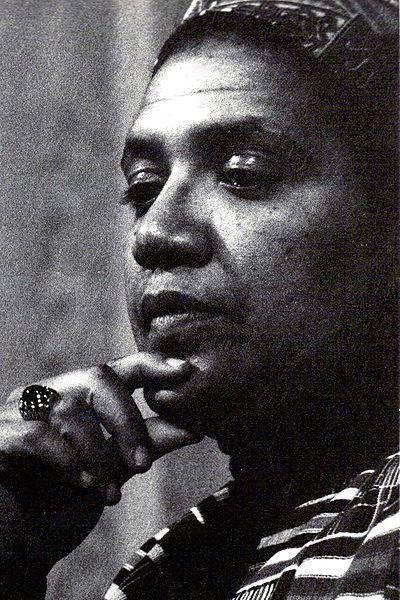
Lesbian & Gay Community Services Center (2nd Tuesday Series), 1986
Audre Lorde reading her poems for the "2nd Tuesday Series" at the Lesbian and Gay Community Services Center, New York City. Side A: Recorded at the Lesbian and Gay Community Services Center, New York City. Sponsored by the Lesbian and Gay Community Services Center, Women's Poetry Center at Hunter College, New York. Poet Audre Lorde reads thirteen poems many from her new book. [Poems: Notes from a Trip to Russia, Sisters in Arms, Holographs, Political Relations, A Question of Climate, There are No Honest Poems about Dead Women, A Question of Essence, For the Record: (In memory of Eleanor Bumpurs), Making Love to Concrete, Women on Trains. Never to Dream of Spiders and Call.] Side B: Question and answer session with a collection for the Sisters in Support of South Africa. -

Power, Oppression and the Politics of Culture: A Lesbian/Feminist Perspective; Fourth Berkshire Conference on the History of Women, August 25, 1978, (Tape 1 of 3)
Audio recording of a panel presentation at the Fourth Berkshire Conference on the History of Women. Includes Audre Lorde. -
Power, Oppression and the Politics of Culture: A Lesbian/Feminist Perspective; Fourth Berkshire Conference on the History of Women, August 25, 1978, (Tape 2 of 3)
Audio recording of a panel presentation at the Fourth Berkshire Conference on the History of Women. "Power, Oppression and the Politics of Culture: A Lesbian/Feminist Perspective" included Audre Lorde -
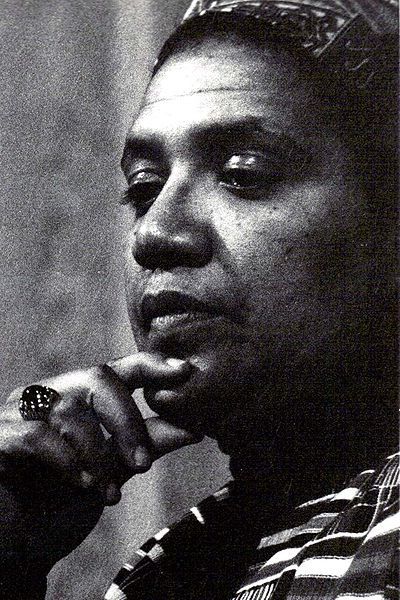
Modern Language Association Conference in Chicago, 1977
Modern Language Association Conference in Chicago, December 1977. Lesbian Feminist Poetry Reading featuring six poets. Side A includes Joan Larkin, Barbara Smith and Diedre McCalla. Side B includes Melanie Kaye, Adrienne Rich and Audre Lorde; Audre Lorde appears at 28:07 on SPW1151_B (Side B). -
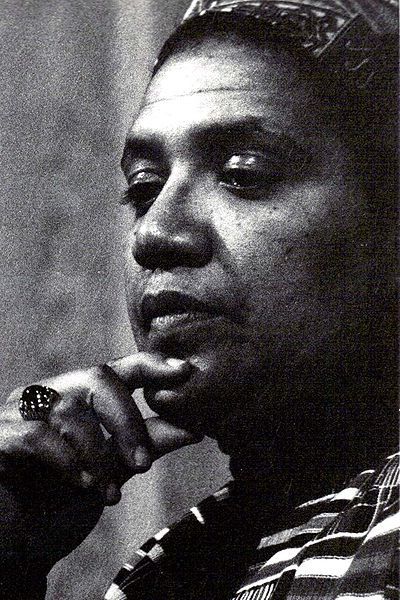
"Poetry" radio program on WBAI hosted by Susan Howe, undated
Audre Lorde appears on Susan Howe's WBAI radio program "Poetry." She reads "Black Studies," "To My Daughter The Junkie On The Train," "To The Girl Who Lives In A Tree," "Song For A Thin Sister," "Oya," and "The Brown Menace" from her book New York Head Shop and Museum. On Side B, she reads newer poems including, "Solstice," "Dahomey," "Nobody Wants To Die On The Way," "School Note," and "Power." -
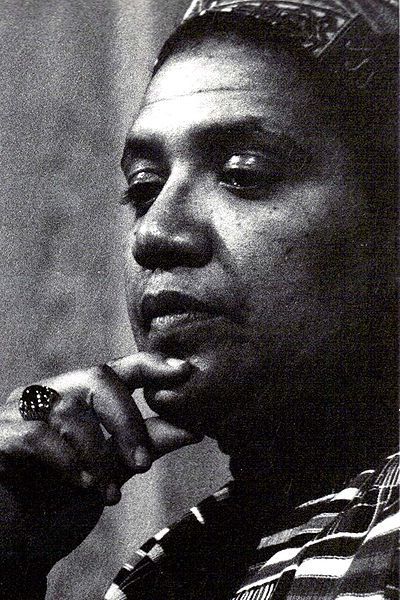
Astraea Benefit, "Conversation with Poems," 1981 (Tape 2 of 2)
Benefit for the Astraea Foundation, "Conversation with Poems." Poetry reading and conversation with Audre Lorde and Adrienne Rich; includes speech, poetry, and remarks. -
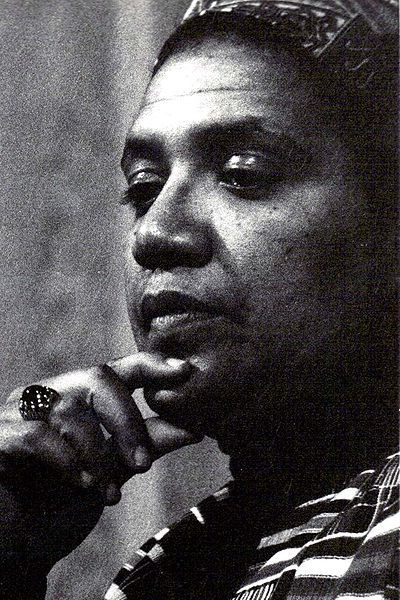
The Personal or the Political - II / Conference on Feminist Theory, 1979
Audre Lorde continues her presentation as part of “The Personal and the Political” panel held at the Second Sex Conference on September 29, 1979. Audience members pose questions and make comments regarding the intersections between race, class, sexual orientation, and gender and feminism in response to Audre Lorde’s speech, “The Master’s Tools Will Never Dismantle the Master’s House”, from SPW1155. -
March on Washington / Pacifica Program Service, 1979 (Tape 2 of 4)
The second of four recordings of Pacifica Radio coverage of the National March on Washington for Lesbian and Gay Rights on October 14, 1979. Musical performances by Mary Watkins, Meg Christian, and Holly Near. Speeches by Ray Hill and Charles Law. -
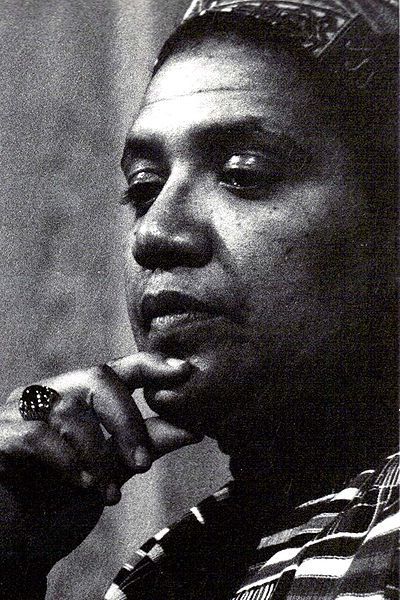
Astraea Benefit, "Conversation with Poems," 1981 (Tape 1 of 2)
Benefit for the Astraea Foundation, "Conversation with Poems." Introduced by unnamed speaker. Poetry reading and conversation with Audre Lorde and Adrienne Rich; includes speech, poetry, and remarks. -
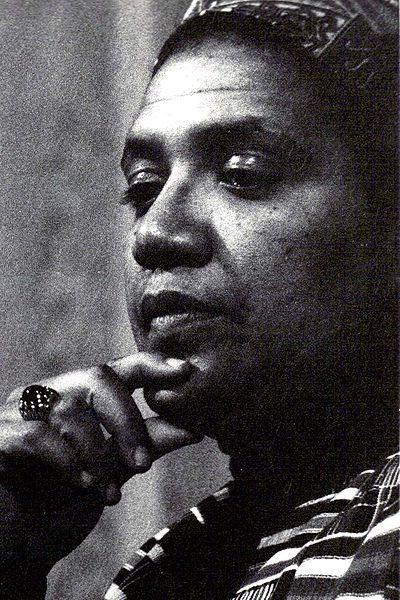
Conflicts in the Black Lesbian Community, Brooklyn NY, organized by the Committee on the Visibility of the Other Black Woman (Tape 1 of 3)
Event organized by the Committee for the Visibility of the Other Black Woman. Audre Lorde moderates community discussion and dialogue including issues of identity, cross cultural conflicts, classism, and ageism. She also introduces panelists' presentations. Her most sustained comments are on Tape 2 as she introduces the panel on identity. -
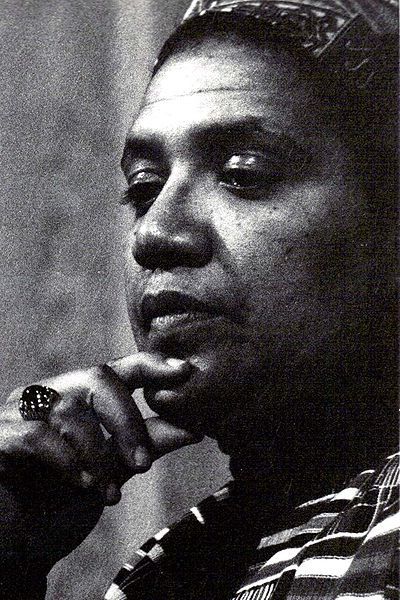
"Lesbians and Literature" panel discussion at MLA conference, 1977
Preceded by short presentation from representative of the recently vandalized Diana Press. Speakers, in order of appearance: moderator Julia Stanley (unnamed on tape); Mary Daly; Audre Lorde (11:38 into Side B); Judith McDaniel; Adrienne Rich. Lorde's speech is the original draft of her essay "The Transformation of Silence into Language and Action." -
March on Washington/Pacifica Program Service, 1979 (Tape 1 of 4)
Tape 1 of 4 of a collection of cassette recordings of the NPR/Pacifica Radio national broadcast of coverage of the 1979 Washington DC march and rally for gay rights. Side A includes speeches by Robin Tyler, Troy Perry, Adelle Starr, and Michiko Cornell, as well as brief interviews with spectators in the crowd. Topics covered on side A include general theme of gay rights, as well as advocacy for gay youth and gay Asian Americans. Side B includes speeches by Rene McCoy, Bill Blish, Arly Scott, Maria Diaz, and Steve Alt, as well as brief interviews with spectators in the crowd. Topics covered include general gay/civil rights themes, advocacy for promotion of parental support for gay/lesbian children and discussion of Mayor Berry decision to declare "Gay/Lesbian Awareness Week". Side B. also also includes the song, "Not Anymore", (performed by Celebration). -
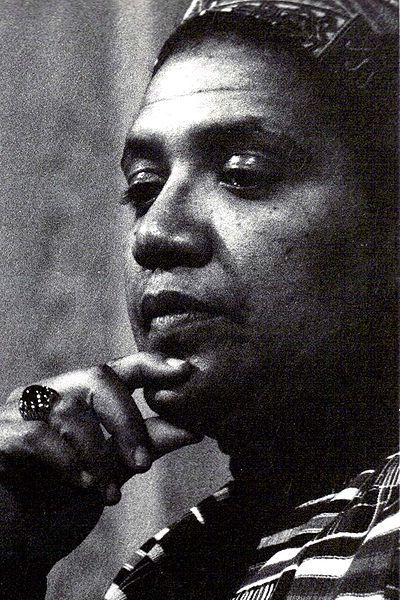
Third World Lesbian Writers Conference featuring Audre Lorde, Yvonne Flowers, and Robin Christian, 1979
Audio recording of the Third World Lesbian Writers Conference that took place on March 24, 1979. This is one of two tapes from the workshop, the second tape is missing. This is a workshop with Audre Lorde, Yvonne Flowers, and Robin Christian. Audre Lorde is on Side 1. Joan Nestle, Deb Edel, and Candice Wood are mentioned. -
Conflicts in the Black Lesbian Community, Brooklyn NY, organized by the Committee on the Visibility of the Other Black Woman (Tape 3 of 3)
Audre Lorde moderates community discussion and dialogue including issues of identity, cross cultural conflicts, classism, & ageism. She also introduces panelists. -
Conflicts in the Black Lesbian Community, Brooklyn NY, organized by the Committee on the Visibility of the Other Black Woman (Tape 2 of 3)
Event organized by the Committee for the Visibility of the Other Black Woman. Audre Lorde moderates community discussion and dialogue including issues of identity, cross cultural conflicts, classism, and ageism. She also introduces panelists' presentations. Her most sustained comments are on Tape 2, as she introduces the panel on identity. -
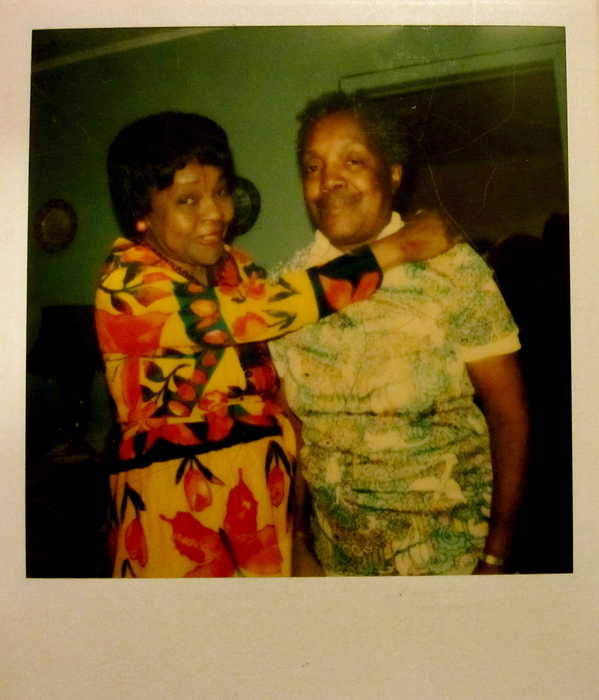
Mabel Hampton, Lillian Foster, 1976 (Tape 1)
Audio cassette. Oral History Interview of Mabel Hampton. Mabel discusses her first girlfriend, a white woman she met while working at a girl's school. She also discusses her three year relationship with a married woman she worked for as a domestic worker, whom she considers her first love. In addition, she discusses her life as a dancer and her trips to a private lesbian club, frequented by notable women. She then relates how she was briefly abducted, attacked and robbed, and how she escaped and how her friends sought revenge on her attackers. -
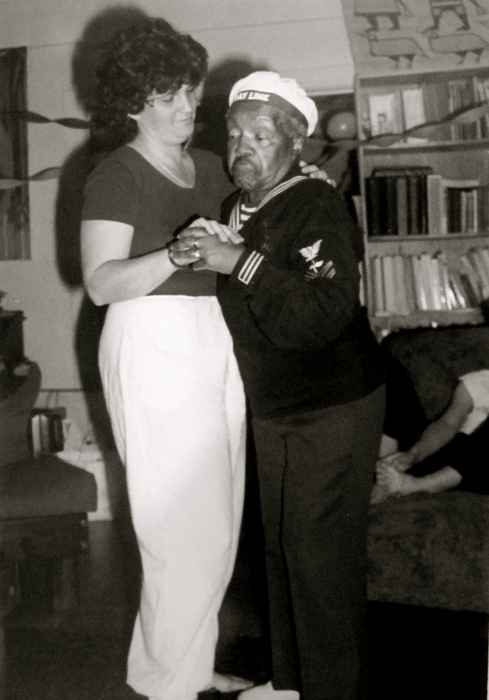
Joan Nestle / Mabel Hampton [undated]
Oral history recording of Joan Nestle. Side A: Joan Nestle speaks about lesbian self-expression and the importance of language to identity. She goes on to talk about her early life and how she was motivated to take a stand against the oppression she saw around her in society, specifically oppression against women and lesbians. Side B: Mabel Hampton takes over as the main speaker and recounts her life story, beginning when she was only one month old. Mabel discusses her early years, including the crucial transition from living with her grandmother to living with her aunt, and how she eventually decided to run away to Jersey City. -
Mabel's Parties / Mabel Hampton, 1981 (Tape 1)
Oral History interview dated . Side A: Mabel talks about the parties she attended, the atmosphere, the people she met and the music she listened to. She also speaks in detail about romantic relationships with specific women and her first love from Coney Island. Her love of classical music is also discussed, which began when she started her first job. -
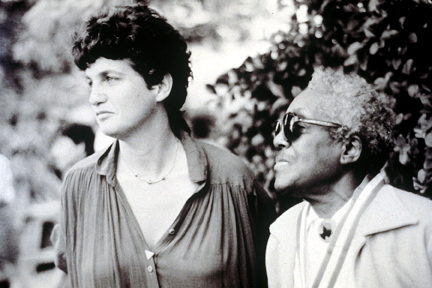
Mabel Hampton for Feminary / Mabel Hampton; Joan Nestle, 1979 (Tape 1)
Oral history interview for Feminary: A Lesbian-Feminist Journal for the South. Joan Nestle interviews Mabel Hampton at 77. Mabel describes her childhood in Winston-Salem, North Carolina, her train journey to New York City, the city vs. the country, meeting lesbians and her views on race, sisterhood and the fight for lesbian rights. -
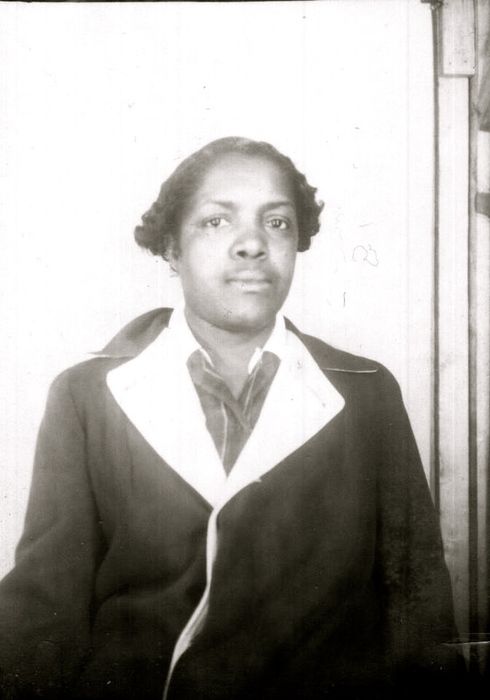
Mabel Hampton Interview [New Jersey / Singing]
Oral history interview of Mabel Hampton. Side A: Mabel tells the story of her arrival in New Jersey, and how she found the people who first took her there. Side B: Mabel sings the American popular song, "My Buddy", and also explains how she left her uncle in New York and went to New Jersey. She talks in detail about the first couple days that she spent in a home in Jersey City, and her reticence to discuss details about her origins with the people that took her in. Additional discussion includes a description of the first time she was kissed by a woman, and why she didn't pursue relationships with married women. -
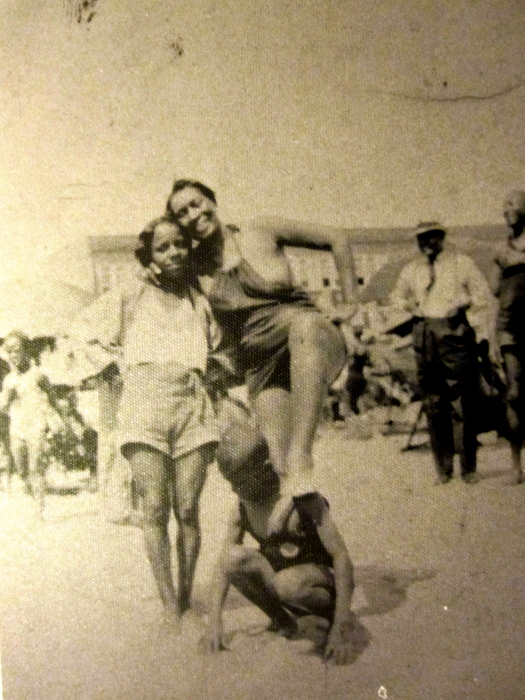
Mabel Hampton Interview [Married Women / Singing]
Oral history interview with Mabel Hampton. Side A: Mabel discusses relationships she had with married women. She also discusses what she wore when she was in her early 20s and about her feelings about the openness of lesbians today. Side B: Mabel sings two songs- "My Buddy" and "Come to Me". -
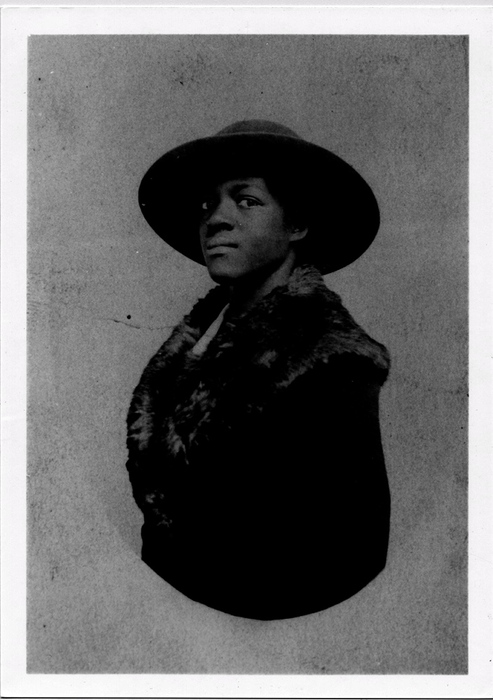
Mabel Hampton Interview [Stories of Performing / Singing]
Oral history interview of Mabel Hampton. Mabel discusses meeting her partner Lillian Foster in 1932, whom she was with for 40 years until her passing in 1979. Mabel also mentions highlights of her professional career including performing at the World's Fair (perhaps 1939 World's Fair in New York), Carnegie Hall and Coney Island. Mabel also recounts a story involving an incident with a classmate in her youth. The tape finishes with a rendition of "My Buddy", sung by an unidentified vocalist and pianist -
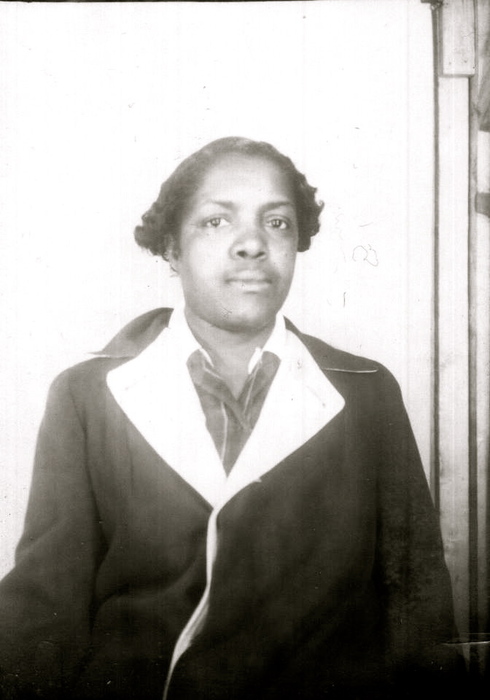
Mabel Hampton Interview [Early Childhood]
Oral History interview of Mabel Hampton. Mabel describes her early childhood and rural upbringing in Winston-Salem, North Carolina, in the early 1900s. Notable facts include her mother's death (possibly by poisoning) not long after Mabel's birth, and that Mabel was very small (perhaps premature) at birth. Mabel also discusses a range of subjects including a description of and anecdotes about her early caretaker, life on a farm/agricultural setting, and memories of going to church. -
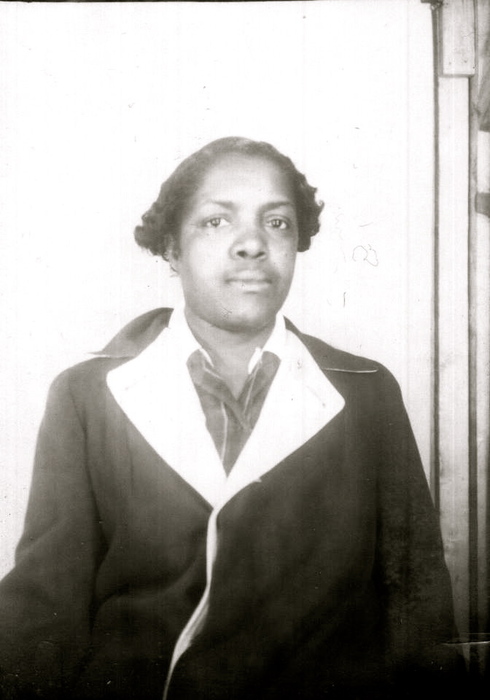
Mabel Hampton's Journey to New York
Oral history interview of Mabel Hampton. Mabel describes her early childhood and rural upbringing in Winston-Salem, North Carolina. She details her journey from Winston-Salem to New York City to live with her aunt. Mabel continues her story with her development into a young lesbian woman and the issues concerning lesbianism in the North versus the South. She speaks about her lifestyle and her no-regrets stance on her life. Her connection with her childhood is vivid and candid and is described in detail. -
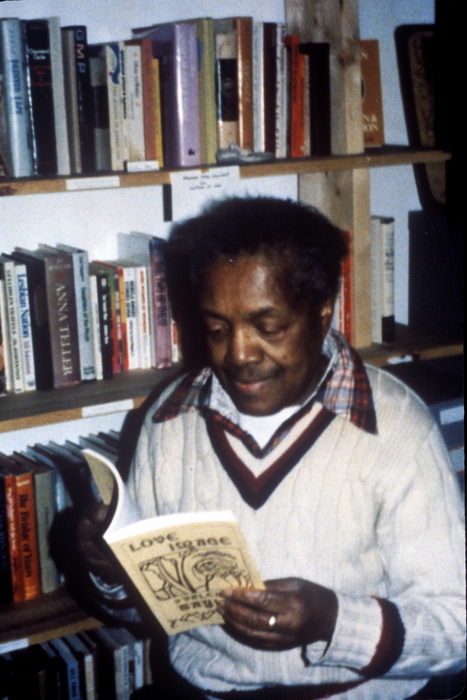
Mabel Hampton Interview [Books / Working at the Lesbian Herstory Archive / Documentary]
Oral History interview of Mabel Hampton. Conversations between Joan and Mabel about a book Mabel enjoyed, working at the Lesbian Herstory Archives, a documentary film in the making, and Mabel's early life and sexuality. -
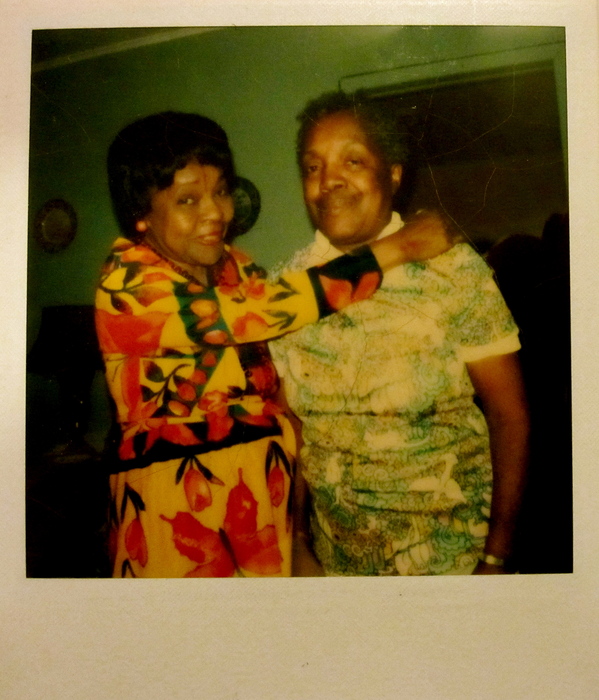
Mabel Hampton Interview [Marriage / Jealousy]
Oral history interview of Mabel Hampton. Mabel discusses lesbian marriage in the 1930s and 1940s, including stories of women getting married and where the ceremonies were. She tells stories about women she knew who had husbands and families, jealousy among women, and passion. She talks about her own experiences with passion and jealousy, including her crushes and relationships. She discusses her first relationship with a white woman, women she had crushes on, women she felt threatened by, her relationship with Lillian, and an experience at a "party house" in Bedford Hills. At the end of the tape there is a discussion about Lillian's tombstone and what to put on it. -
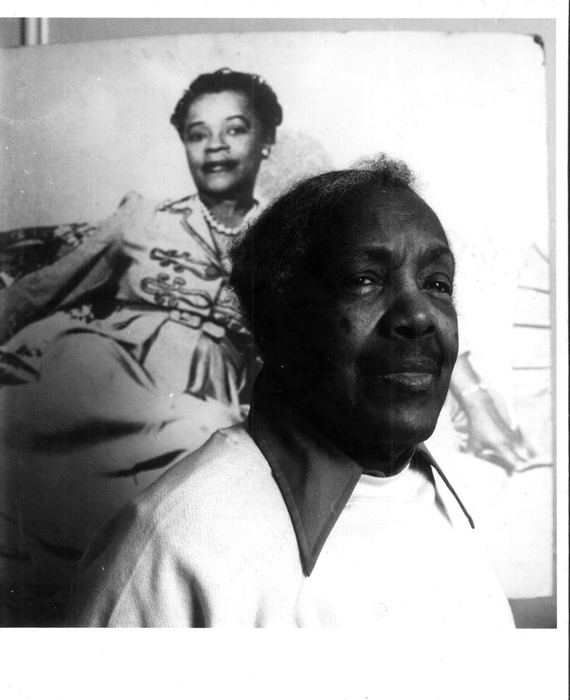
Mabel at 85 (Tape 1)
Interview of Mabel Hampton. Mabel discusses her life with Lillian Foster, the lesbian movement, and performing and singing. -
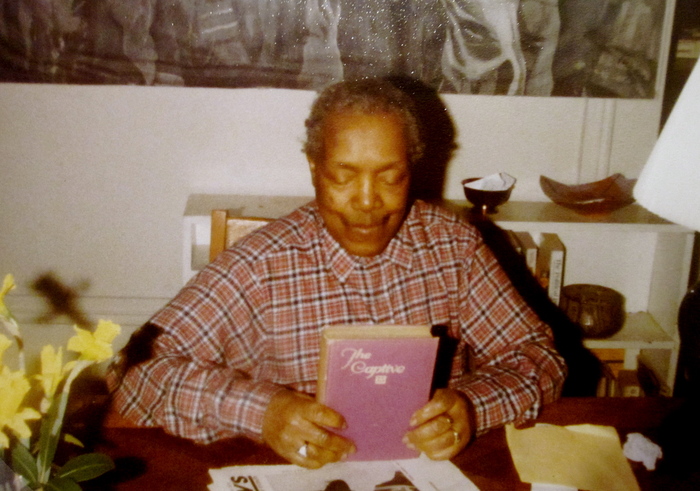
Mabel Hampton Interview [Gay Language and Culture]
Oral History interview of Mabel Hampton. Mabel discusses the language and culture of being gay in her time. -
Mabel Hampton Interview [Parties / 1930s]
Oral history interview of Mabel Hampton. Mabel discusses "slumming party" where she first met A'Lelia Walker, and what it was like being gay during the 1930s. -
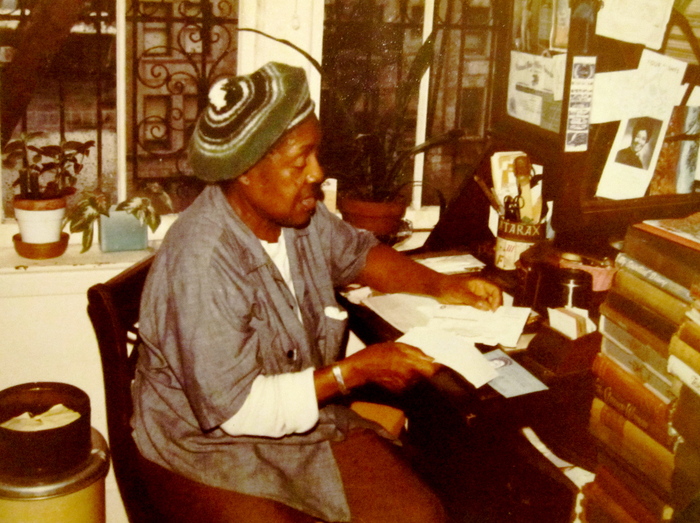
Mabel Hampton July, 1986
Oral History interview of Mabel Hampton. Mabel discusses her early life in South Carolina and New York. -
Mabel Hampton's Story, July, 1986
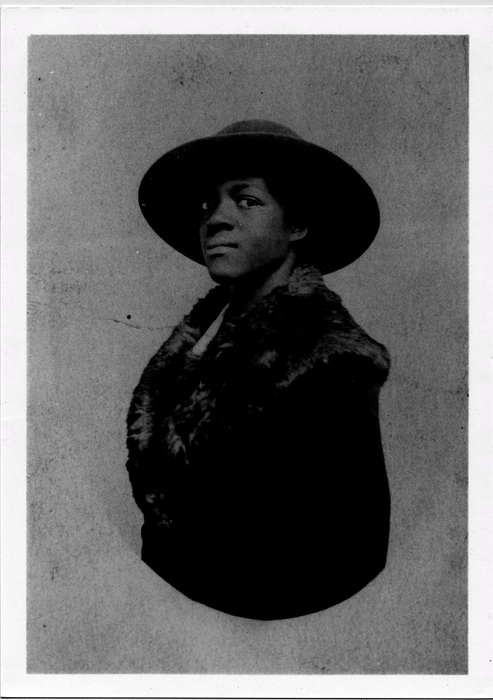
Oral history interview of Mabel Hampton. Mabel describes running away from home and the New Jersey family who cared for her, while they sought Mabel's family. Mabel falsified her personal information in order to avoid reuniting with her abusive uncle in New York. Mabel speaks of her early 20s, her interaction within the underground gay and lesbian community. She begins explaining her 1923 arrest at Bedford Hills Prison and how she was setup by her friend's husband for prostitution. Side A = 9:38 minutes -
Mabel Hampton Interview [Lillian Foster / Youth]
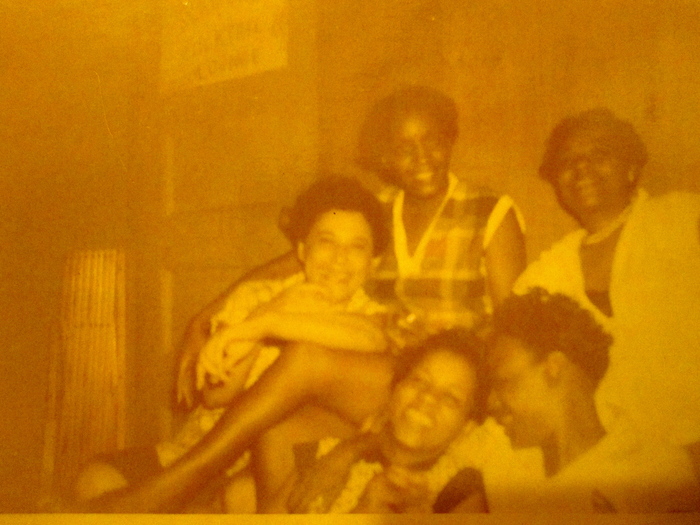
Oral history interview with Mabel Hampton. Mabel tells stories of different women she dated and how she met Lillian Foster, who would be her partner from 1932-1978. She also talks about friends and jobs she had in her youth. -
Mabel Hampton Interview [Coming out / Lillian]
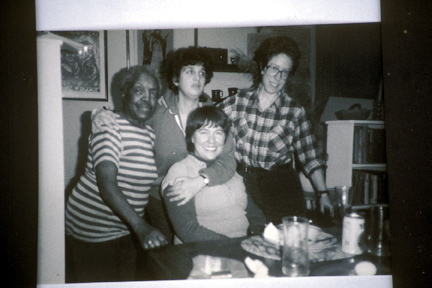
Oral history interview of Mabel Hampton. Mabel talks about her childhood; coming out with a woman she met at Coney Island; her relationship with Lillian Foster; the LHA and her respect for Joan Nestle and Deborah Edel. -
Mabel Hampton Singing and Talking
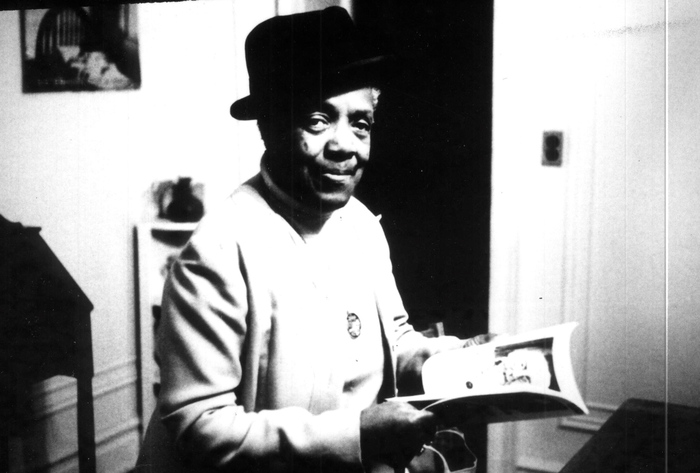
Oral history interview with Mabel Hampton. Side A: Mabel sings and talks about her life with Lillian Foster, and stories from her youth. Side B: She describes her life in Jersey City, Coney Island and the rape by her uncle. She also talks about the pitfalls of falling in love, and being a working woman at 80 years old. -
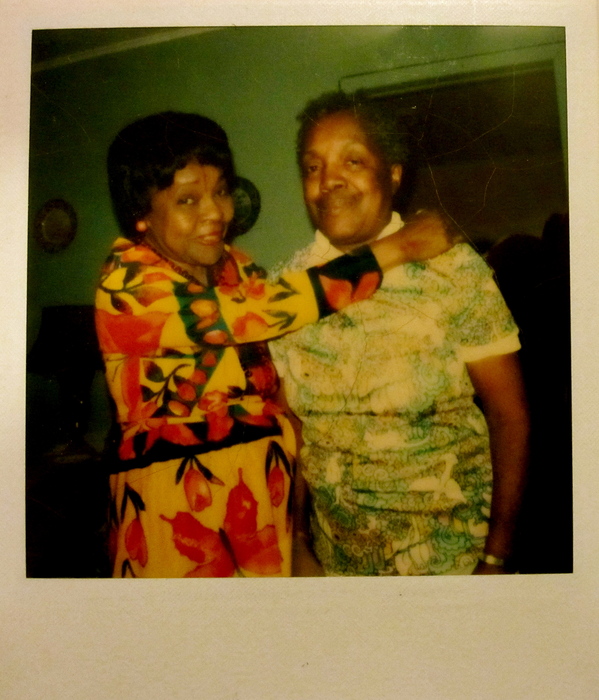
Mabel Hampton Interview [The Twenties and Life With Lillian]
Oral history interview of Mabel Hampton. Mabel Hampton reminisces about her life in the early 1920s. Mabel talks about going to Coney Island, cabarets, and various parties around New York City where women could meet other women. She discusses her friends and relationships with particular emphasis on Lillian Foster. -
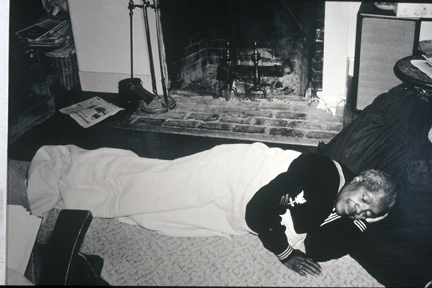
Mabel Hampton Interview [Coney Island / Mildred]
Oral history interview of Mabel Hampton. Side A: Mabel discusses Coney Island, and her relationships with women, including Mildred Mitchell. -
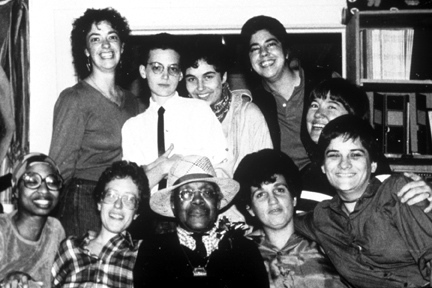
Statement of Purpose; Visitor Feedback / Lesbian Herstory Archives
Oral history recording that documents the history and legacy of the Lesbian Herstory Archives. Members of LHA recite the LHA Statement of Purpose from 1974. This is followed by the reading of quotes (with multiple, unidentified readers) from appreciative visitors to LHA. -
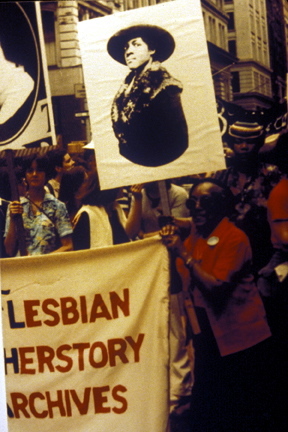
Mabel Hampton, 1981 (Tape 1)
Oral history interview of Mabel Hampton. Mabel discusses her relationships during her twenties, including how and why she chose her sexual partners and her relationships with married women. She relates a story about being caught with her partner's husband and hiding under the bed. -
Mabel Hampton's Story, July, 1986 (Tape 3)
Mabel describes her 1923 arrest (at age 18) and term at Bedford Hills Prison, and the period shortly thereafter. -
Mabel Hampton's Story, July, 1986 (Tape 4)
Mabel describes her life after being released from Bedford Hills, relationships with women in the early 20th century, economic and working situation, and more details about her family history (including the murder of her mother, the death of her father, Mabel's rape by her uncle). -
Mabel Hampton, November 28, 1986 (Tape 1)
Mabel talks about her life at theater Lafayette on Coney Island in the 20s. She also talks about the dress code of her and her friends; also the language describing lesbians back in the 1920s. -
Mabel Hampton, 1988 (Tape 1)
Mabel discusses her early life as a lesbian in the Village between the two world wars, including the rooming house where she lived and the parties she attended. She describes how women dressed, what they ate at the parties, what they did at the parties, including dancing, the records they listened to, and the general social life of these parties. She describes the interracial relations between white and black lesbians. She also discusses the language lesbians used to describe themselves at the time, including "bulldaggers", "lady lovers", and "butches". She also tells the story of a large lesbian marriage ceremony in Central Park West, officated by a gay minister named Rev. Monroe and how the couple managed to get an offical marriage certificate. She also discusses gay life in Harlem and the New York City drag balls. -
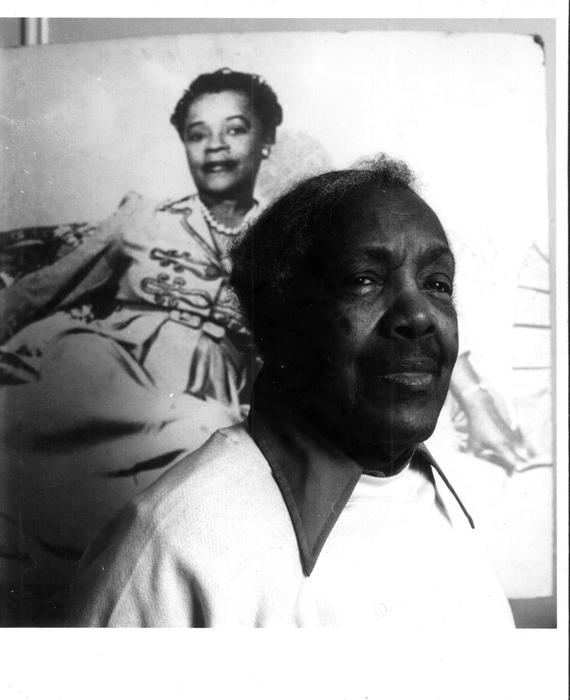
Mabel Hampton, 1982 (Tape 1)
Side A: Some discussion of when Mabel first heard the word lesbian, her experiences as a dancer. Side B: Mable describes her experiences caring for children, finding freedom as a child, running away from her aunt and uncle to New Jersey to live with the White family, and her spirituality. -
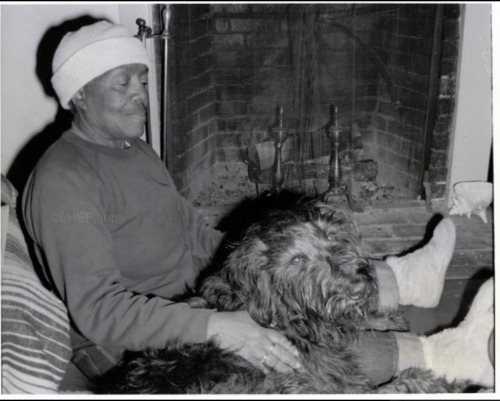
Mabel Hampton Interview [Lillian Foster / Femininity]
Oral history interview of Mabel Hampton. Mabel talks about Lilian Foster, her partner, that she has never dated any man, and is a feminine type of lady who likes to dress up. -
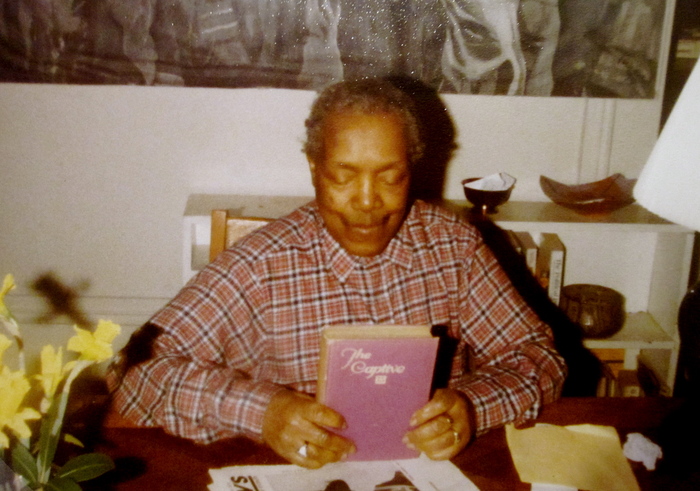
Mabel Hampton Life Stories, November 20, 1978 (Tape 1)
Mabel discusses the importance of lesbian writing and how she considers being a lesbian to be the most important aspect in shaping her life. She goes on to give a description of her childhood. She also describes the the girl with whom she had her first lesbian experience. -
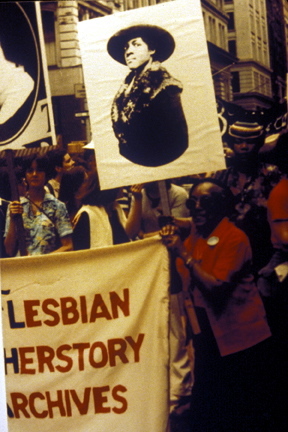
Mabel Hampton Interview [1920s / World War II]
Side A: Mabel Hampton describes meeting other lesbians and associating with other women "in the life". Also discussed is her experience during the 1920s of being set up and sentenced to serve three years for a fabricated prostitution charge at the Bedford Hills Correctional Facility for Women. Side B: Mabel's WWII era activities, including being an Air Raid Warden in Harlem, and meeting married women who ""came out"" during their husband's absence due to the war." -
Mabel Hampton talks about Lillian and more, January, 1988 (Tape 1)
Mabel discusses meeting Lillian Foster, her wife, Lillian's childhood, and their life together in the community as well as various events they were a part of against the backdrop of World War II. -
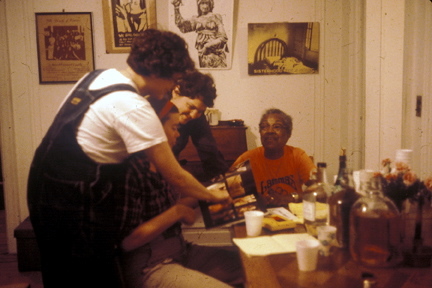
Mabel Hampton, Morgan Gwenwald, Pam Hicks: Breakfast at Pam's, April 9, 1989 (Tape 1)
Morgan Gwenwald visited Mabel Hampton at Pam Hicks' place. Over breakfast, they talked about the dreams Mabel had been having lately, how people thought about her. Morgan made plans to visit Lillian's cemetery with Mabel together and listened to a tape that Mary gave Mabel. -
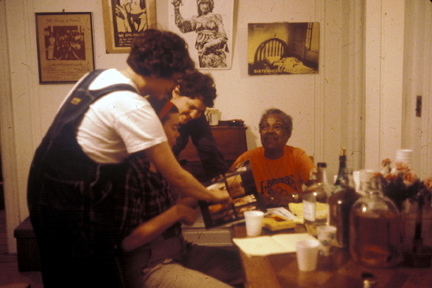
Mabel Hampton, Morgan Gwenwald, Pam Hicks: Breakfast at Pam's, April 9, 1989 (Tape 2)
Pam Hicks and Morgan Gwenwald chat with Mabel Hampton over breakfast about mundane topics, including lost keys and colors. The three get in a car and try to find the cemetery where Mabel has purchased a plot to be buried in. They locate the cemetery, but it is closed to visitors, so they proceed on to see if they can find where she purchased the tombstone. -
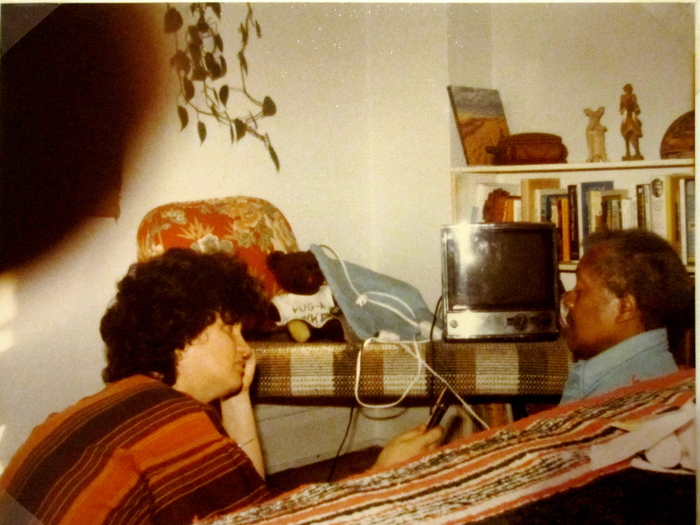
Mabel Hampton Interview [Coney Island / Lillian / Fashion]
Mabel Hampton discusses, with Joan Nestle, gender identity, attraction, men, and marriage. Mabel Hampton also discusses nicknames she shared with Lillian Foster, including "Little Bear" and "Big Bear." They look at photographs and reminisce about Coney Island, buying new clothes, and Nestle's preparation of slideshows for the LHA. The second half of the recording covers a few takes of stories surrounding Mabel's time living with Joan and Deb after an apartment fire, Mabel and Lillian's nicknames for each other, and the meaning of Mabel's fashion choices. -
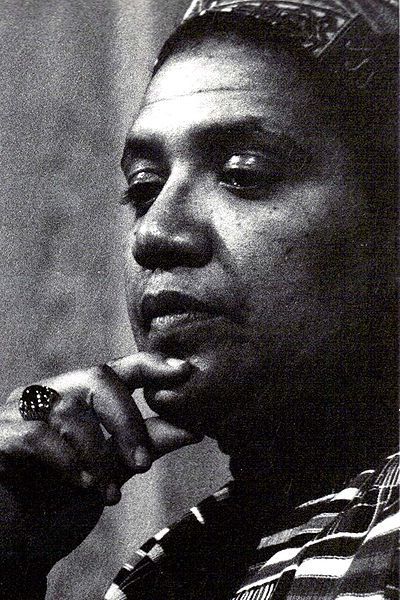
The Personal or the Political - I / Conference on Feminist Theory, September 29, 1979
In addition to Audre Lorde, Linda Gordon, Manuela Prairie, Jessica Benjamin, Bonnie Johnston, Camille Bristow, and Susan McHenry participated in the panel. The recording includes a question and answer session between panelists and audience members. The topics discussed include racism, feminism, class oppression, individualism, sexuality, community, and sisterhood. -
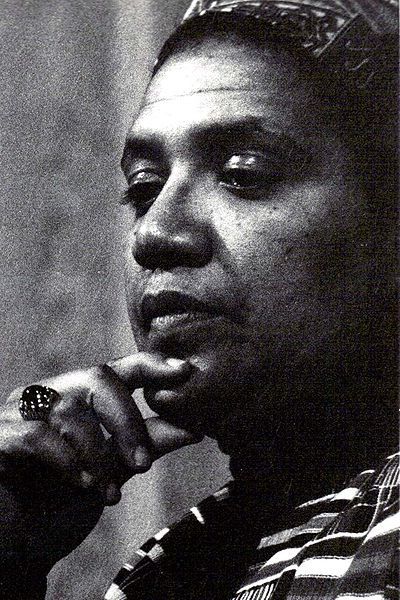
Voices of Women Writing Conference, April and May, 1982 (Tape 2)
Audre Lorde is on the panel. Lorde speaks on side A after other panelists introduce themselves an on side B. This is the recording of a Community Workshop panel, mostly discussing obstacles to women writing, specifically, black womens literature. The recordings are fairly audible aside from some inaudible speakers who are not close enough to the recording device. -
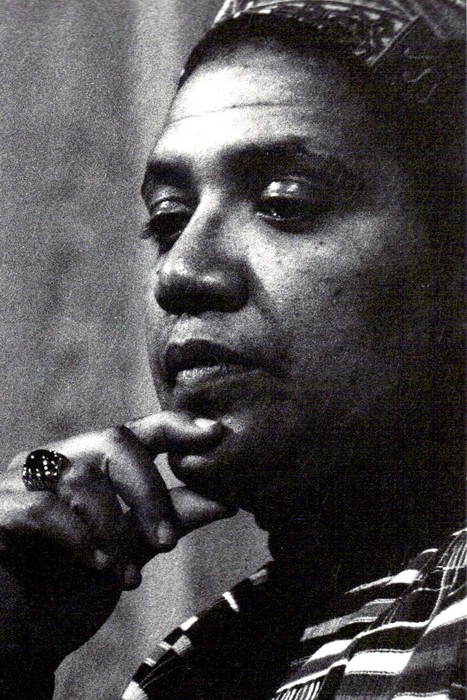
Voices of Women Writing Conference, April 30, 1982 (Tape 1)
Ms Holly makes assorted announcements then introduces Audre Lorde. She reads three poems: "For Each of You" "Poem for Women in Rage" "Sister, Morning is a Time for Miracles". Side B: Continuation of poem from Side A: "Sister, Morning is a Time for Miracles" Then reads: "After Images" Final Poem of reading: "On My Way to San Francisco I Pass Over You and the Verazano Bridge" -
March on Washington / Pacifica Program Service, 1979 (Tape 4 of 4)
Rally mediated by Audre Lorde given at the March on Washington on October 1979. Speech topics include rights of LGBT prisoners, parents, immigrants, and atheists. -
March on Washington / Pacifica Program Service, 1979 (Tape 3 of 4)
March on Washington on October 14, 1979, which dealt with the civil rights of the gay and lesbian community. Participants included Audre Lorde (who can be heard on side A about 80% through), Allen Ginsberg, Peter Orlovsky, Ted Weiss, Gotham, Tom Robinson, Howard Wallace, Kate Millet, and Flo Kennedy. Key topics included civil and human rights, the labor movement, racism, sexism, and love. Short technical glitches occur on Side A. -
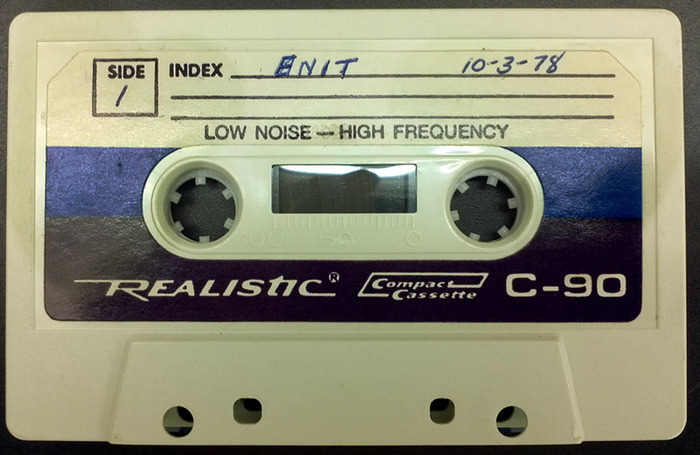
Enit, October 3, 1978 (Tape 1)
Enit discusses facing her sexuality at the age of 12 and coming out to her family despite her frustration at their lack of acceptance. She goes on to discuss her social life and dating in Buffalo, NY, noting how she used to meet women at bars but that her social activities have changed with age. She discusses her participation in the Erie Picnics held for gay men and women in Pennsylvania. She is 47 at the time of the interview. -
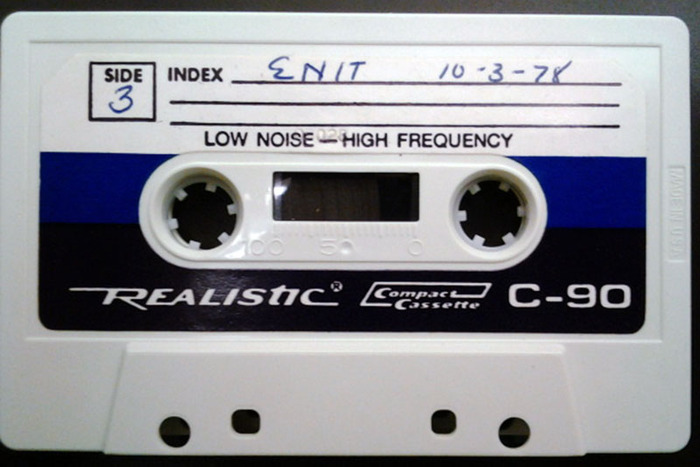
Enit, October 3, 1978 (Tape 2)
Enit discusses how her perception of Lesbian oppression has changed over time. She also talks about acceptance in the work place and how professionals view Lesbians. Enit explains that her personal interests have changed with age and that her hobby is dance. She finishes by discussing her interactions with straight women and the support she gets from her Lesbian friends. -
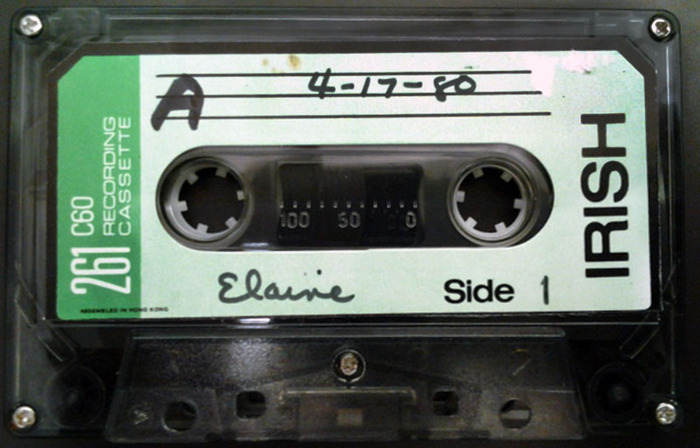
Elaine, April 17, 1980 (Tape 1)
Discussion centers on bars in Buffalo in the late 1950s and into the 1960s, in particular Bingo -
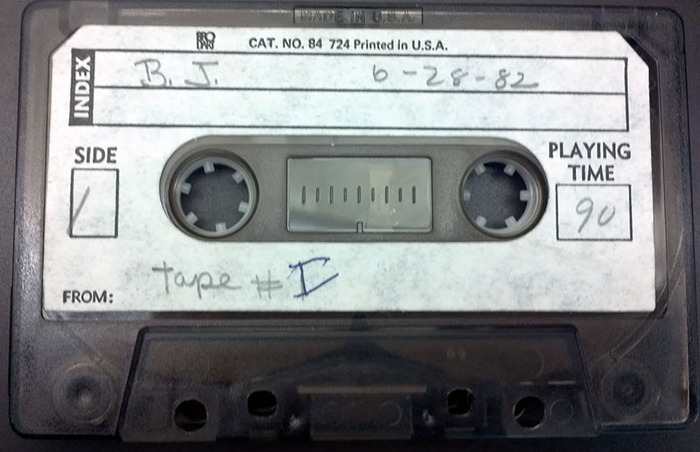
Elaine, June 28, 1982 (Tape 2)
Discussion on early childhood, being Canadian but growing up on an Indian Reservation near Syracuse. Also discusses being the head of a black gang, her relationship with her mother and abusive stepfather, and the jail time she spent for his murder, finding work (while hiding she was gay) and relationships. -
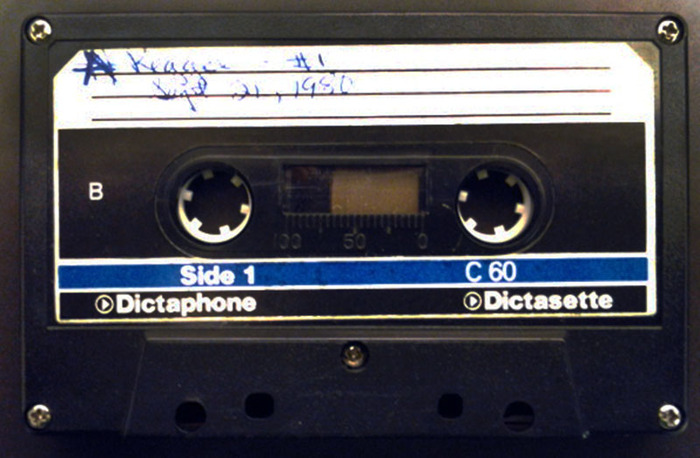
Reggie, September 21, 1980
Discusses growing up in Buffalo, when she realized she was first gay at a young age, and going to clubs -
Buff, December 27, 1979
Buff discusses the impact of the Metropolitan Community church on her life and the gay-rights movement. Mentions activities in Tucson, AZ. She stresses that current lesbians should know that there is more to life than the bars, but that in her time in Buffalo she didn't feel there were places for community outside of them. Mentions her time in the army, realizing she was homosexual, and coming out. Discusses her time in the army, lesbians in the military, being in Seattle and Germany with the military just after the Korean war. She talks about the differences in gay identity and self identity in the past compared to now. -
Buff, October, 1978
Talks about community tattoos, race, being butch, the challanges of identity and expectations. Touches on past sexual abuse by her father, gender roles, identity, learning about gay life and her discovery process, friendship, clothing and identity, her marriage to a gay man, her suicide attempt. -
Buff, September 23, 1979
Talks about dating a prostitute, lesbian prostitutes, lesbians and butches having sex with men, lesbian pregnancy, clothing styles, -
Carol, October 17, 1978
Bad sound quality. Discusses that she doesn't think of her community of a lesbian community, though she can contribute to the lesbian community. Says she now stays away from gay bar communities because she is a teacher. Discusses running into students at bars, relationships, family. -
Bobbie, June 30, 1984 (Tape 1)
She thinks people have the wrong opinion of lesbians, she says she feels alone in the bars, role playing was important that someone should be the more aggressive person in a relationship, talks about how she needs a butch in a relationship, thought of herself as a femme although she didn't dress feminine, describes a "dyke person", bar atmosphere and how she went to a bar every night to hit on the bartender, how much she enjoyed the bar scenes, prostitution, story about how she was abducted and raped by 3 men, about how she was in an abusive relationship, spending time in a correctional facility, sexual relationships while in jail -
Bobbie, June 30, 1984 (Tape 2)
Bobbie speaks on the nature of her various relationships, including patterns of sex and cohabitation, being confused about her significant other identifying as a man in public, she addresses the existence of her children, using men after prison to live and make money, attending gay reorientation church, her sexual practices, and the subject of the "Untouchable". -
Marge, June 4, 1980
Marge speaks of the bars in Buffalo, NY in the 1950s, specifically Bingo's, Chesterfield, Dugan's, Mardi Gras, and Carousel, which had more of an established lesbian clientele. She tells how Carousel changed from a lesbian to gay crowd in the late 1950s and eventually closed because of allowing "careless" behavior. She felt patrons of gay bars in the 1950s were more respectful than at the time of the interview in 1980. Marge was arrested for serving a minor female, which she felt was an attempt to close the bar where she worked. The tape cuts off at the end of the second side. -
Portia, September 24, 1978 (Tape 1)
The gay movement has taken the lesbian community out of the bars or the "gay underworld," as compared to when she came out in the late 1960s, about 10 years prior to the interview. Portia, age 26, is not out at her job, but is known as a feminist and civil rights activist; her sister is openly homosexual. She talks about her early sexual experiences with girls and how she never felt guilty or different, but felt guilty with boys because of her Catholic upbringing. Her father beat Portia after she went out with her lover, and then she moved out of home at 18. She attended university and discusses her relationships and friendships in college, as well as her relationship with her first lover, who is still her partner, and their infidelities.