
Browse Items (88 total)
Sort by:
-
Women's Studies - Winners + Losers by Gloria Emerson
This episode of Women's Studies features journalist Gloria Emerson in conversation with Viv Sutherland on WBAI Radio, presenting an in-depth discussion of Emerson’s experiences as a New York Times correspondent during the Vietnam War and the themes explored in her book Winners and Losers. Emerson reflects on her transition from covering fashion in Paris to reporting from Vietnam, the ethical and emotional challenges of war journalism, and the gender dynamics within the press corps. The interview addresses subjects including the portrayal of Vietnamese civilians, the psychological effects of war on soldiers and reporters, and Emerson’s critical perspective on American media and class divisions. Side B continues with Emerson’s postwar reflections on patriotism, public reception of her book, her relationship with the New York Times, and her evolving views on feminism and morality. -
Women's Studies - Wages for Housework - Marjorie Collins Speaks with Selma James (Founder)
This episode of Women’s Studies, hosted by Viv Sutherland, features a taped interview by Marjorie Collins with Selma James, founder of the Wages for Housework movement. James discusses the economic exploitation of women’s unpaid domestic labor, the hierarchies within capitalism that devalue care work, and the need for international solidarity among women demanding wages for housework. She connects women’s financial independence to personal liberation, equality in relationships, and freedom of sexual and emotional expression, including lesbian identity. The episode concludes with live listener call-ins responding to James’s ideas about women’s labor, dependency, and social change. -
Women's Studies - Viv Sutherland Speaks with Robin Morgan
In this episode of Women's Studies, host Viv Sutherland, speaks with poet Robin Morgan. They go on to discuss feminism as it relates to Christianity, Wicca, and spiritualism and religion at large. -
Women's Studies - Dr. Donna Allen + Carole Getzoff
This Every Woman’s Space episode, featuring host Viv Southerman with guests Dr. Donna Allen from Media Report to Women and Carol Getzoff from A Woman’s Place, explores women’s representation in the media and their struggle for equity within the broadcasting and print industries. The discussion addresses stereotypes, gender discrimination, and the need for women to portray themselves rather than be defined by others. Topics include workplace competition, collaboration among women in media, visibility, and responsibility in journalism. The episode concludes with announcements about the Women in Media course at the New School, the National Women’s Studies Association, and a musical performance emphasizing liberation and empowerment. -
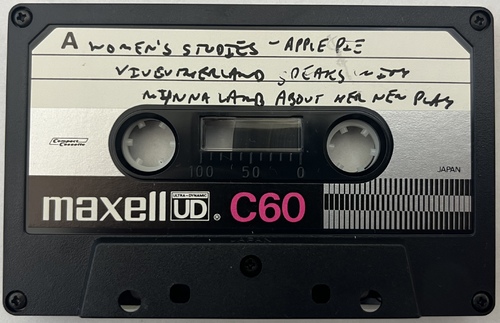
Women's Studies - Apple Pie - Viv Sutherland Speaks with Mynna Lamb About Her New Play
Myrna Lamb guest stars on Women's Studies to talk about her new play, Apple Pie. Apple Pie is a musical theater piece about a woman's life in Nuremberg. The play grapples with issues of moral truths and internal and external judgement. Myrna and Viv also discuss the difficulties and complexities of being a woman playright, and various ways that the play attempts to tackle sexism, racism, and anti-semitism in society. They also discuss Myrna's run-ins with male directors in theater and the complex feelings people have about male directors directing women's stories. -
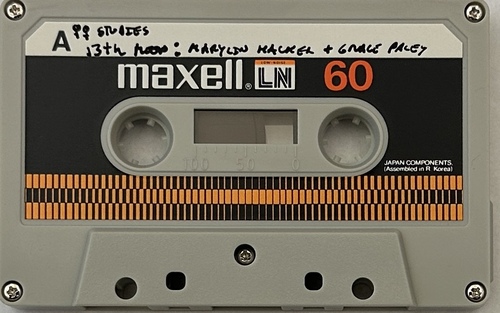
Women's Studies - 13th Moon: Marilyn Hacker and Grace Paley
Presented in the Women's Studies series, this episode contains poetry readings by Marilyn Hacker, an editor for feminist literary magazine 13th Moon, and poet Grace Paley. -
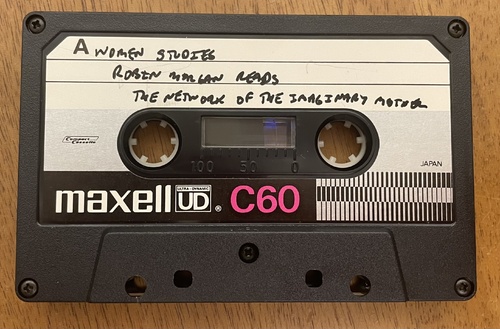
Women's Studies
Robin Morgan Reads: The Network of the Imaginary MotherRobin Morgan reads her five part poem that is " a weird love poem" to her mother, husband, friends (sisters), children, and her self. Morgan describes it as a metaphysical search for transcendence. Mentioning the goddess, the poem situates womanhood to genitalia and the body. -
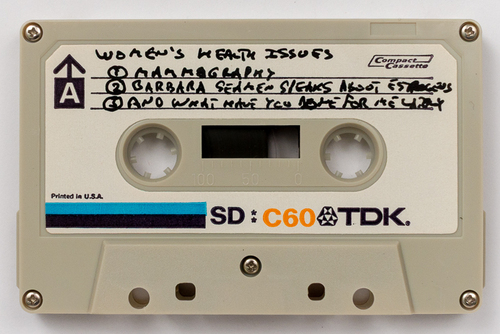
Women's Health Issues - 1) Mammography, 2) Barbara Seaman Speaks About Estrogens, 3) And What Have You Done For Me Lately
Part of special programming for Women’s Health Day Nov 5, 1977, this broadcast is described as a “medical magazine” of three short pieces. Program begins with information for local women’s health resources and details for upcoming pro-Abortion demonstration. Followed by the first segment: an interview with journalist Judith Randall regarding criticism of potential over prescription of preventative mammography. Second, they play audio from a press conference with activist Barbra Seaman about the role of Sex Hormones in Women’s health, and specifically, the need for pharmaceutical to educate about potential side effects for prescription medication. Testimony was also given from vocalist Kitty Callen. Last, they play a recording of a pro-abortion gait-prop short play by Myrna Lamb. -
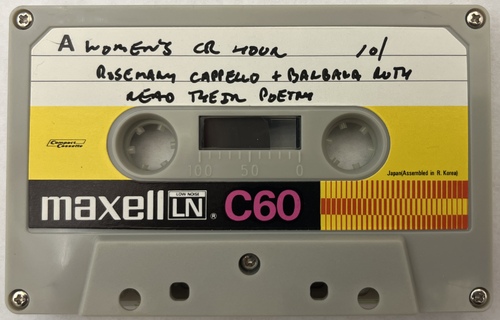
Women's CR Hour 10/ - Rosemary Cappello + Barbara Ruth Read Their Poetry
In this episode of Women's Consciousness Raising Hour, the first poet Rosemary Cappello reads a mixture of original poems and poems from friends and other notable poets, surrounding the theme of correspondence. Rosemary views correspondence as the most faithful way to show affection and grow closer with other poets. She also reads a poem that she wrote, in place of an angry letter, to respond to an anti-feminist book review.
The second poet, Barbara Ruth, opens with a poems about her awe for life: her experience knowing and being close to other women, seeing a solar eclipse. Her poems discuss women's issues, specifically, the tension between being a woman and having intense or maddening emotions, and the tensions women have with men. Her poems frequently invoke the power of women and call for a revolution. Furthermore, Barbara grapples with issues of valuing some lives over others, witnessing suffering, narcissism, and simple wanting. She also reads poems about her mother. -
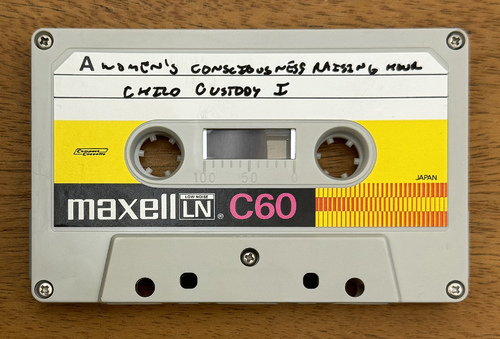
Women's Consciousness Raising Hour - Child Custody I
This episode of the Women’s Consciousness Raising Hour features a panel discussion from the Bicentennial Women's Center in Philadelphia on the topic of child custody. Cynthia Little acts as the moderator. Mike Simeone opens with a historical overview of childhood and family formation, tracing evolving social attitudes toward children and the emergence of custody as a modern legal concern. Dr. Stuart Kaplan follows with a psychological analysis of post-divorce family dynamics, emphasizing the emotional toll on children and the importance of maintaining relationships with both parents. Jennifer Baker Fleming discusses the experiences of women navigating custody and divorce, exposing systemic gender biases, economic inequities, and the emotional dimensions of motherhood within patriarchal legal systems. Rosalie Davies concludes with a discussion of custody discrimination against lesbian mothers, describing early legal challenges, case precedents, and strategies for advocacy within the emerging gay rights movement. -
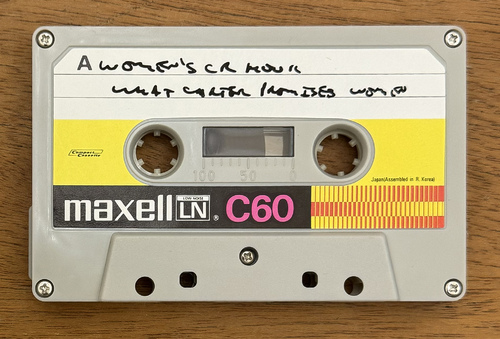
Women's Consciousness Radio Hour - What Carter Promises Women
In this episode of Women's Consciousness Radio Hour on WXPN, host Diane Trombley kicks off the program by playing a two songs by activist and musician Malvina Reynolds. One song is from the album "Virgo Rising - The Once And Future Woman," and the other is from Reynold's own album, "Held Over." Trombley then welcomes guest Joanne Wolf to the show. Joanne was convener of the Women's Health Concern Committee, a member of NOW, and also a member of the board of the Bicentennial Women's Center. They discuss women's issues in American politics with a particular emphasis on the Democratic and Republican split and the Carter-Mondale ticket / platfrom of 1976. -
Women Political Prisoners
Side A - Political Prisoners: “Insight into the political nature of the imprisonment of women. Gail Simon has selected and read the writings of women who are imprisoned. Also hear music and poetry selected from the Olivia Records Album - Any Woman’s Blues, made by the Women’s Concert Collective, recorded live in the Women’s Jail at San Bruno in December 1975.” -
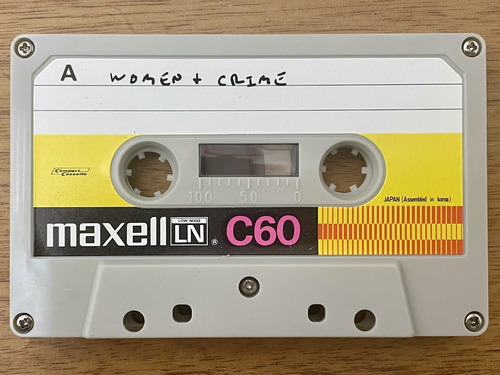
Women + Crime
Side A: In this interview, Dr. Freda Adler discusses the rise in female criminal behavior as a consequence of broader social changes, particularly women’s increased participation in public and professional life. She explains that as women gain access to new roles, they also gain opportunities to engage in crimes once dominated by men. Traditional “feminine” crimes (such as prostitution and shoplifting) are being replaced by more assertive and violent acts like armed robbery and even assassination. Adler emphasizes that this shift doesn’t stem from new motivations but from changing circumstances, and she challenges the myth of inherent female passivity by documenting the evolving cultural landscape.
Side B: This side explores how institutions—from law enforcement to the courts and prisons—have struggled to keep pace with changes in female behavior. Adler critiques the justice system’s gendered assumptions, showing how women have often received either harsher or overly lenient treatment based on outdated ideas. She also highlights discrimination in prison rehabilitation, the invisibility of women’s prison uprisings, and the psychological toll of role confusion (psychological and social uncertainty that many women face as gender roles shift rapidly) and cultural pressure. The tape closes with a call to treat women’s liberation and female criminality as separate issues, arguing for systemic reform rather than a return to traditional gender roles. -
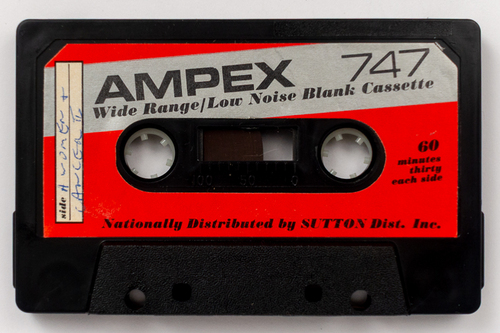
Women + Cancer II
Inscribed title "Women + Cancer II". This recording is a continuation of SPW1964, inscribed title "Women + Cancer I". This broadcast, part of an ongoing special series hosted by Viv Sutherland about the myths and realities of cancer, featured a panel of Dr. Philip Strax, director of the Guttman Breast Diagnostic Institute; Mary Overton, assistant executive director of Cancer Care; Richard Klarberg,director of the Public Health Center, the American Health Foundation; Pam Booth, co-director of Women's Health Forum; and Denise Dillon Fuge, member of the Committee on Women and Health, National Organization for Women, New York (NOW-NY). Dr. Stax, an early advocate of mammography, discusses the need for routine screening. Additional topics are the impacts of cancer on the lives of women, the politics of research and development of new detection techniques, prevention, etc. -
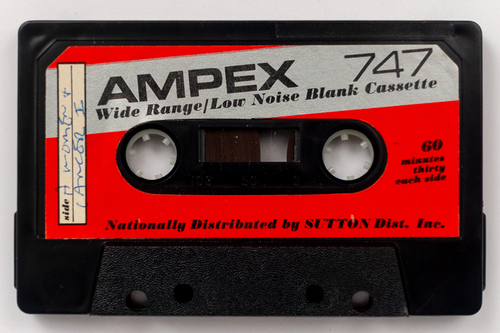
Women + Cancer I
Broadcast "Woman and Cancer," a special series hosted by Viv Sutherland about the myths and realities of cancer. Inscribed title on both sides is "Women + Cancer. Guests are Dr. Philip Strax, director of the Guttman Breast Diagnostic Institute; Mary Overton, assistant executive director of Cancer Care; Richard Klarberg,director of the Public Health Center, the American Health Foundation; Pam Booth, co-director of Women's Health Forum; and Denise Dillon Fuge, member of the Committee on Women and Health, National Organization for Women, New York (NOW-NY). Dr. Stax, an early advocate of mammography, discusses the need for routine screening. Additional topics are the impacts of cancer on the lives of women, the politics of research and development of new detection techniques, prevention, etc. Continued in SPW1965, inscribed title "Women + Cancer II". -
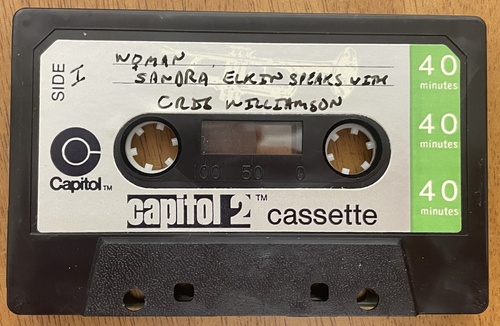
W♀man (Woman): Sandra Elkin Speaks with Cris Williamson
Woman' is a talk show featuring in-depth conversations exploring issues affecting the lives of women. This episode features a conversation with Cris Williamson, who has been a singer songwriter for the past 14 years. She currently records with Olivia Records, an all-womens recording company. Her latest release is the "Changer and the Changed." -
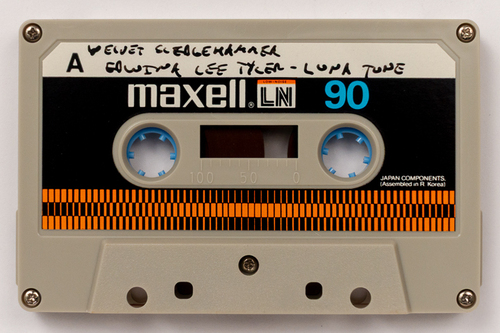
Velvet Sledgehammer - Edwina Lee Tyler - Luna Tune
Broadcast of The Velvet Sledgehamer, inscribed as "Velvet Sledgehammer - Edwina Lee Tyler - Luna Tunes" on Sides A and B. Donna Allegra interviews Ferne Yangyeitie Caulker-Bronson (Founder and Artistic Director of Wisconsin based, African dance troupe Ko-Thi), Edwina Lee Tyler (drummer of African percussions, performer, and founder/Artistic Director of African dance troupe A Piece of the World), and Luna Tunes (women’s a cappella group), who also give a live performance. -
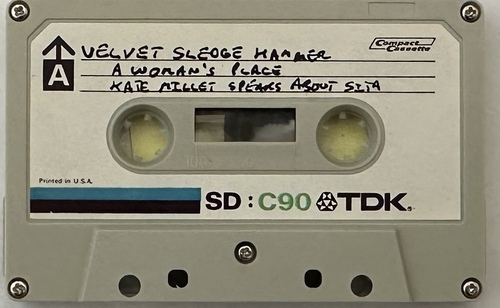
Velvet Sledge Hammer - A Woman's Place - Kate Millet Speaks about Sita
(Side A) Viv Sutherland welcomes listeners to The Velvet Sledgehammer and announces that the show's program will include "Hot Flashes," women's news from "Majority Report"; a story on "A Woman's Place" produced by Irene Yarrow; and an interview of author Kate Millett about her book Sita (1976) conducted by Judy Pasternak and Viv Sutherland.
The first segment is "Hot Flashes," a women's news report announced by Nancy Borman. Topics covered include: an "anti-wedding" event sponsored by Majority Report to discuss the sexist details of marriage contracts, Valerie Solanas reprinting Scum Manifesto after the original publisher went out of business and the copyright reverted to her, New York's announcement of plans for a large-scale Women's Rights rally, events for Lesbian Pride Week, and a bill to legalize abortion in Italy.
Irene Yarrow then introduces a tape about "A Woman's Place," a feminist collective in upstate New York that has existed for three years but is now in danger of closing due to lack of support. Irene recorded this tape at "A Woman's Place" and features women's songs, poetry and feelings about what the retreat has meant to them. The recording begins at 19:25 and continues onto side B. Irene announces that women interested in learning about "A Woman's Place" or contributing to save it can contact her. She attributes the music in the recording to Ruth Pelham, and the poetry to Erica Silver.
Kate Millet guest stars in the last segment, discussing her new autobiographical novel, Sita, with Judy Pasternak and Viv Sutherland. Kate describes the plot of Sita as "the plotline of the woman destroyed." She rebuffs "malicious" reviews that called her work either "icky" and "pukey" or "pornographic" for being queer. She considers these reviews to be motivated by bigotry. Kate recounts that a major motivation in writing Sita was to describe the loss of a lover, which she felt does not exist in any other book. She says she wanted to "write a very musical and very romantic book in praise of love: in praise, even, of its melancholy and possible futility." Kate also discusses hoping for "company" in writing "these kinds of books," but that she is alone in having to "take abuse" for them. With Judy Pasternak and Viv Sutherland, Kate Millett reflects on activism and efforts to dismantle the patriarchy. The interview closes with discussion of Kate's visual art. -
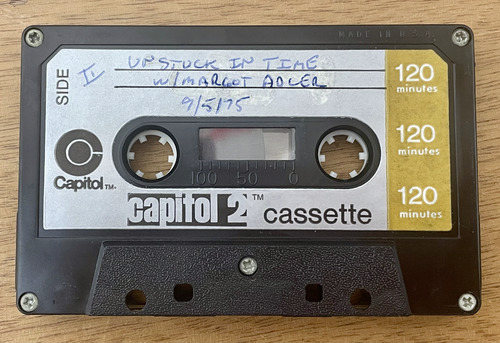
Unstuck in Time w/ Margot Adler - 9/5/75
Notes on back: "Return from Vacation"
"Prospectus for 'Season'" "Feminism"
"Synthesis of Politics + Spirituality"
"Ms.Magazine September 1975 + Akwesasne Note" -
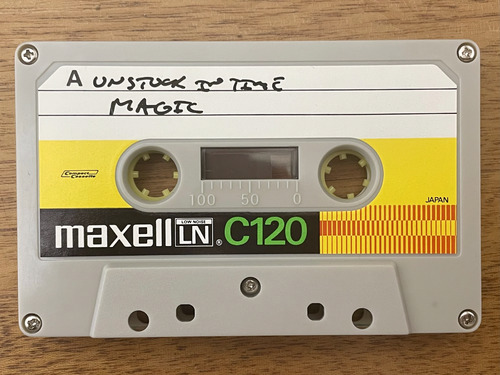
Unstuck in Time - Magic
Side A: Margot Adler discusses the various definitions of "occult" and "magic" as expressed by four groups in society: the uneducated, the educated, scholars, and practicitioners. Adler contends that the way these words are defined reflect social conditioning and shape the conversation around spiritual practice and occult study. She proposes a definition that is not mystical nor supernatural that she explores and expounds upon throughout the program. To this end, Adler relates an experience she had visiting and working within a small farming community of magic practitioners and how their understanding of magic as the "art of getting results" applied to their lives. One psychological element that Adler focuses upon is charisma and how the charisma of individuals or communities is itself a magical quality.
Side B: There is a call in portion at the end of the program wherein Adler and callers talk about Rorschach and the Tarot, therapist role within witchcraft, New York magical and spiritual communities, and ends with a more heated discussion regarding the divisions between magic and science. -
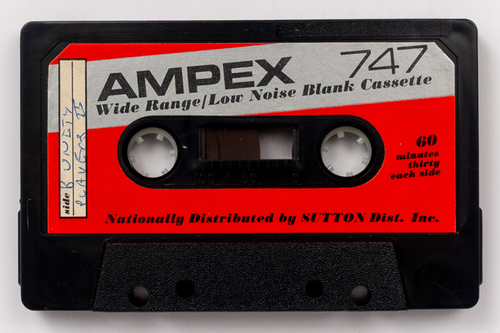
Unity Players II
Broadcast of Practice, inscribed title "Unity Players II," coninuing from the first half of the interview which is conatined by SPW1917 inscribed title "Unity Players I". Host Paul interviews members of the Unity Players, a women's theatre group from Vermont, about their new play Touchpoint, which was put on in the WBAI studios that evening. -
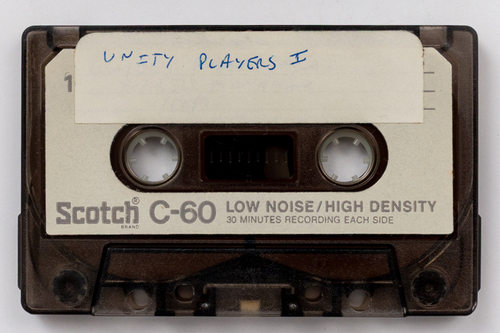
Unity Players I
Broadcast of Practice, inscribed title "Unity Players I". SPW1918 inscribed title "Unity Players II" contains the second half of this interivew. Host Paul interviews members of the Unity Players, a women's theatre group from Vermont, about their new play Touchpoint, which was put on in the WBAI studios that evening. -
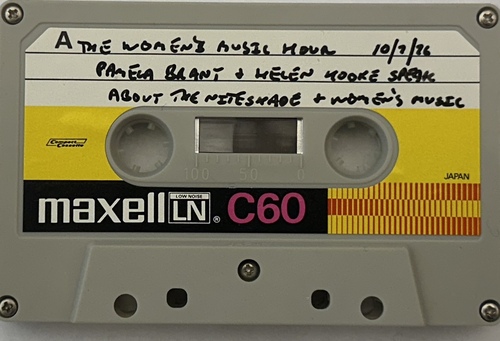
The Women's Ausie Hour 10/7/76 - Pamela Brandt + Helen Kooke Speak about the Niteshade + Women's Music
This episode of The Women's Music Hour contains an interview with Pamela Brandt and Helen Hooke, who make up one of the first American all female bands, The Deadly Nightshade. -
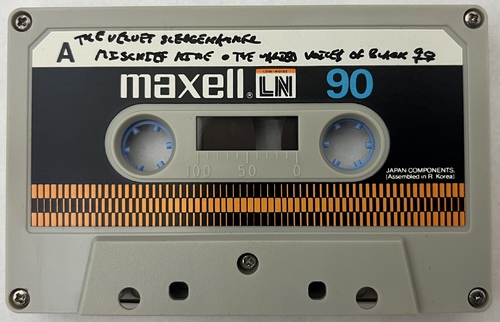
The Velvet Sledgehammer - Mischief Mime + The Varied Voices of Black ♀♀ (Women)
Donna Allegra hosts members of The Varied Voices of Black Women, a touring poetry and music production, on The Lesbian Show. Guests include poet Pat Parker, singer and percussionist Linda Tillery, pianist Mary Watkins and Gwen Avery. -
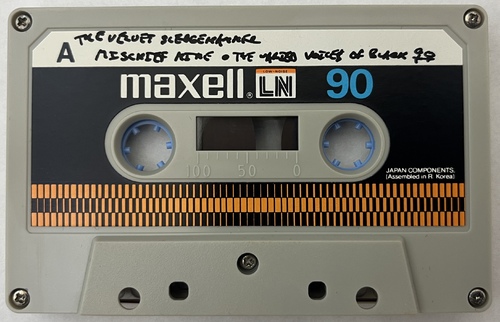
The Velvet Sledgehammer - Mischief Mime + The Varied Voices of Black ♀♀ (Women)
On this episode of The Velvet Sledgehammer, Donna Allegra interviews members of Mischief Mime, a two woman theater troupe from Ithaca, New York. Mischief Mime tours and teaches nationally to prove artists can make it outside of the larger cities. -
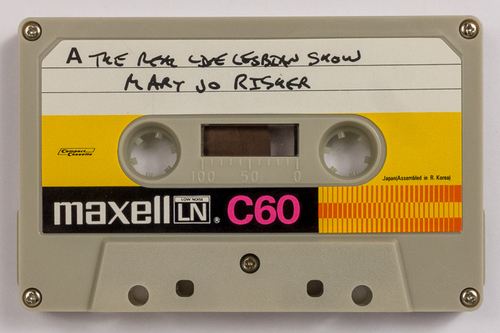
The Real Live Lesbian Show - Mary Jo Risher
Broadcast of The Real Live Lesbian Show, noted as “The Real Live Lesbian Show - Mary Jo Risner,” on both side A and side B. In this broadcast, Rebecca Tron (one of two hosts) interviews Mary Jo Risher and her partner Anne Forman, in promotion of Risher’s book By Her Own Admission: A Lesbian Mother’s Fight to Keep Her Son. Risher lost her son in a highly publicized custody battle with her husband. She was discriminated against for being a lesbian. Note that Risher’s name is misspelled on the inscribed title. -
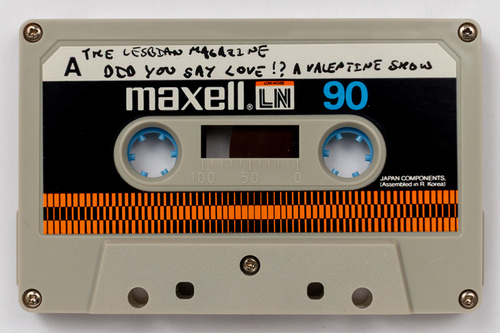
The Lesbian Magazine - Did You Say Love!? A Valentine Show
Broadcast of The Lesbian Magazine, noted as "Did You Say Love!? A Valentine's Show," on both side A and B. Valentines themed episode containing lesbian love songs, roundtable of host Judy Pasternak's friends reflecting on love in varied forms, and news updates relevant to the lesbian community. -
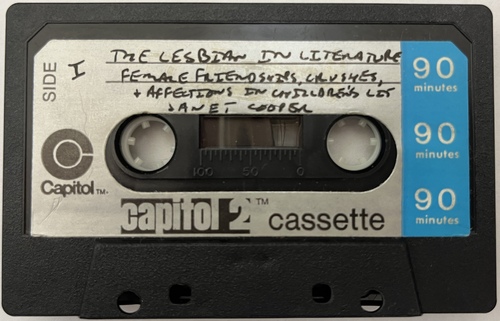
The Lesbian in Literature - Female Friendships, Crushes + Afffections in Children's Lit - Janet Cooper
This tape contains the third panel from the Gay Academic Union Conference at NYU, the "Lesbian in Literature" Panel. Panelists are Janet Cooper, speaking on female crushes and friendships in children's literature, and Cynthia Secor, speaking about Gertrude Stein and James Joyce. The moderator was Virginia Caputo.
Janet describes that the first room in a library targeted specifically for children was in the Pratt Library in Brooklyn in 1895. The librarian Anne Carole Moore worked there, and would become a very influential children's librarian. She speaks on the monopoly of children's literature in publishing and book awards, with Anne Carole Moore at the center due to her connections with other powerful librarians. Since Anne Carole Moore's appointment, child friendships and friend crushes in literature have disappeared. The removal of content in library books where children physically touched each other, Janet says, was a direct result of the fear of lesbianism.
Cynthia Secor speaks about Gertrude Stein and James Joyce. She asserts that Stein is an oft-overlooked figure in literature. Gertrude Stein was a sort of hidden figure, while James Joyce was taught everywhere. Stein was read by many lesbian women, but Cynthia did not read Stein until she joined the lesbian community. Cynthia reads a passage by Stein, "Cow come out...", discusses Stein's novella, Q.E.D., and her "Patriarchal Poetry" essay. -
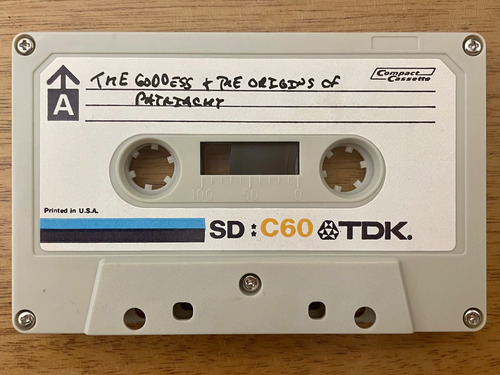
The Goddess and the Origins of Patriarchy
The Lesbian Radio Show, hosted by Rose Jordan. Discussion about the ancient goddess culture and feminist spirituality with Merlin Stone, author of "When God Was a Woman" (1976) and Grace Chanel, who had recent article in feminist journal, Heresies (1978). -
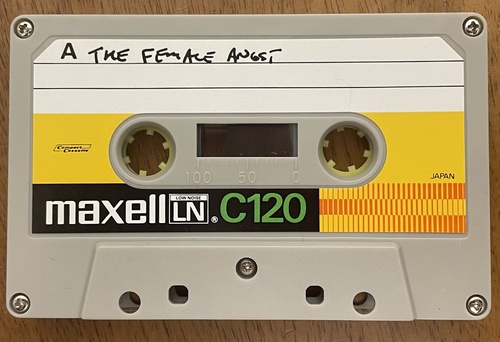
The Female Angst
Side A:Women playing the guitar singing a jingle. She goes on to talk about the pain that comes with operating in a male centered society. In an interview, two women talk about women not being as confident in their ability of being without the "big father" figure present for reassurance. There's a conversation discussing how a woman sacrifices more, does more, feels more, which makes them gifted. They talk about women as nature, explaining how a woman's suffering forces people to experience life on a deeper level. There is talk about work as a form of salvation while finding moments of joy in the process.
Side B:"Equating women to death, and men with life." Person being interviewed offers a new perspective on coexisting as both man and woman. She stresses personal identity over identification and speaks about how when a women acquires education she poses as a threat to men. She mentions how women giving boundless and immense love to men, when in actuality women are in search of themselves as an individual. Tape ends in music.Tags Women -
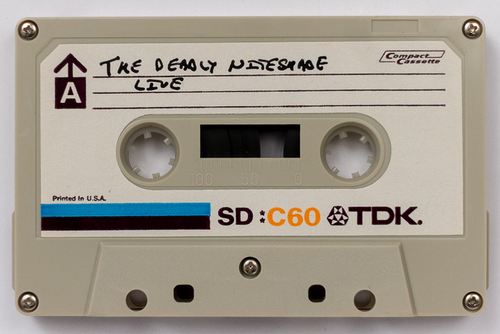
The Deadly Niteshade Live
The Deadly Nightshade Live, hosted by WBAI in NYC. The radio show they appeared on nor the host(s) are noted at the beginning of the recording. Note, the incorrect spelling of Nightshade on the Inscribed Title. -
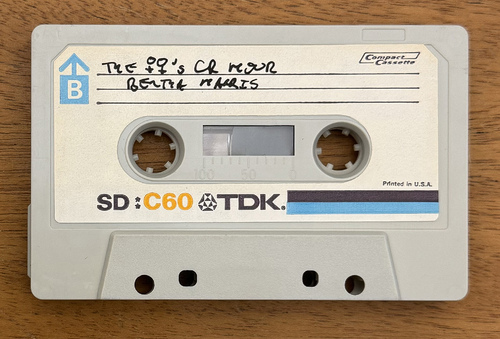
The ♀♀'s (Women's) CR Hour - Bertha Harris
This episode of the Women’s Consciousness Raising Hour, hosted by Diane Trombley, features an interview conducted by Victoria Brownworth with writer and scholar Bertha Harris, Director of Women’s Studies at the City University of New York. Harris discusses her literary influences, the role of writing as personal liberation, and her exploration of lesbian identity and imagination through fiction. She reflects on the lesbian and feminist writers of 1920s Paris, such as Djuna Barnes, Natalie Clifford Barney, and Renée Vivien, emphasizing their impact on women’s literature and the need for broader recognition of their works. The program also features feminist songs highlighting women’s autonomy, labor, and resistance to patriarchy. -
Sexual Harassment on the Job
Side A is a radio program on WBAI in New York, hosted by Viv Sutherland, and addresses the serious issue of sexual harassment in the workplace. The show consists of two central interviews: Mary Garvin, a carpenter and member of a union, and Rachel, a legal secretary, who both tell their own stories of being harassed at the workplace. Mary Garvin, a member of United Brotherhood of Carpenters and Joiners of America, Local 1204, describes her own encounters with casual and malicious forms of harassment at work on building sites, such as discriminatory treatment as a minority worker. Rachel describes a hellish experience of attempted sexual attack by her employer, a private attorney, detailing being physically restrained and assaulted in his office. The program also features phone-ins from listeners discussing different issues surrounding sexual harassment, law, and potential responses to such an event––some advocating for violent responses. The discussion touches upon the issue of complexities of building harassment cases, shortcomings in current legal protection, and the need for systemic changes to assist the victims better and prevent workplace harassment. Side B continues with call-ins. It expands on themes from the first half but brings in more emphasis on legal, economic, and cultural barriers to justice. The program ends with a call for systemic change, grassroots activism, and women reclaiming their power in courtrooms, workplaces, and daily interactions. -
Pleasure by Barbara Barracks
Author Barbara Barracks is interviewed on the show Prose, produced by Sharon Martin. Barbara reads Chapter 10 of her novel Pleasure. -
Our Cities, Our Lives - Wife Battery
Episode of Our Lives, Our City. Side A is an interview with members of the Center for the Elimination of Violence in the Family (Yolonda Baker and Diane Jackson) and a former resident of the center (Laura), mostly about the center and the work they are doing. The Center for the Elimination of Violence in the Family opened on March 4, 1977 (according to Yolonda, it is the first domestic violence shelter in NYC). The Center offers shelter/residence, counseling, referrals to education programs, job-training, work opportunities at the shelter, and accompaniment to welfare, family court, and police appointments. Side B is for taking calls. -
National Alliance of Black Leaders Conference Workshop on Black Women in The Arts
Speakers self-describe the show as "a tape of six creative Black women discussing the media portrayal of Black women and their confrontation of racism and sexism." Originally recorded during the "Black Women in the Arts" Workshop at the National Alliance of Black Feminists conference held in Chicago, October 21-23 [1975]. Broadcast in an episode of Everywomanspace.
(On side A) Darlene Hayes (Phil Donahue Show) discusses media portrayal. Margaret Walker Alexander (poet) discusses the problems facing the Black woman writer. Mari Evans (poet) discusses her experience as a Black woman writer. (Panel continues on side B) Carolyn Marie Rodgers (poet) also discusses her experience as a Black woman writer. Two additional panelists are featured, but their names could not be deciphered. -
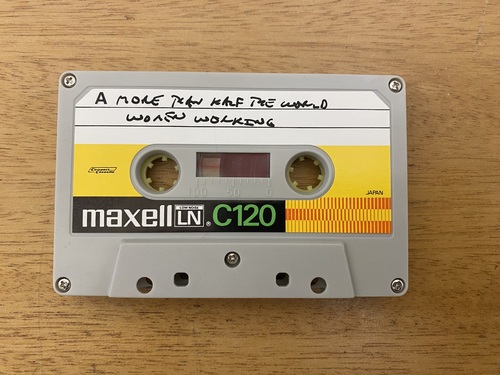
More Than Half the World - Women Working
Broadcast of More Than Half the World, noted as "More Than Half the World - Women Working" on side A and B. Judy Pasternak hosts broadcast themed around women at work. Includes excerpts from poetry, fiction, and nonfiction writing about women working. Plays music and shares updates including a fundraising plea to pay for WBAI reporters to travel to Texas for Internation Women's Day Programming. -
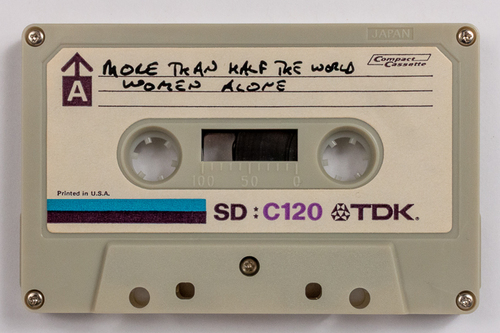
More Than Half The World - Women Alone
Broadcast of Women Alone Speak Out, noted as “Women Alone,” on both side A and side B. In this broadcast, host Judy Pasternak reflects on her experience living alone as an adult woman, in defiance of societal expectations. She plays an old set of interviews she conducted with women who also were living or had lived alone, as well as intermittent music. -
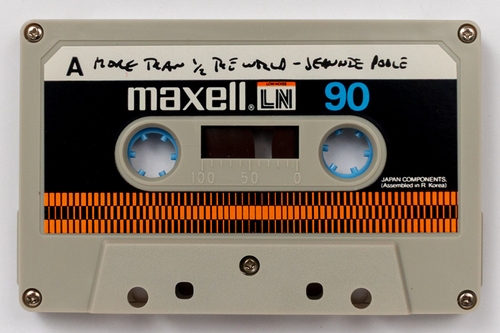
More Than Half the World - Jeannie Pool
Broadcast of More than Half the World, hosted by Jeannie Pool, and inscribed as “More Than Half the World - Jeannie Poole” on both side A and B. In this broadcast, Pool: plays several songs by women musicians, including multiple by Meg Christian; interviews Audre Lorde on The Cancer Journal; takes calls from listeners; discusses the upcoming First National Congress on Women in Music and plans to move the conference to NYU in March; discusses Heresies magazine issue No. 10 on Women in Music; interviews Sue Fink, the conductor of the Los Angeles Women's Community Chorus; and plays live recordings of the LA Women's Community Chorus performing. There are severe audio issues at the beginning of the access copy, which resolve after a couple of minutes. Note the discrepancy in Pool’s name as written in the inscribed title. -
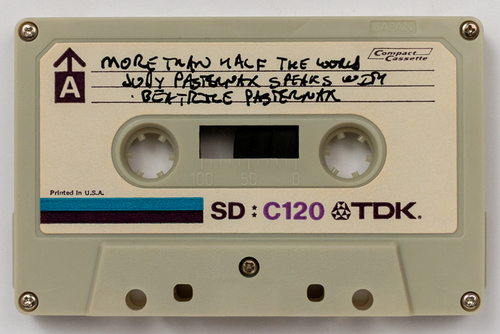
More Than Half the World - Beatrice Pasternak
Broadcast of More Than Half the World, noted as "More Than Half the World - Beatrice Pasternak" on Side A and Side B. Host Judy Pasternak interviews her mother Beatrice Pasternak, discussing the experiences of older women and ageism, and they reflect on their life experiences as women. Throughout the broadcast, Pasternak plays music and takes calls from listeners. -

More Than Half the World - Abortion
Host, Judy Pasternak, discusses abortion and the struggle for the legal right of women to have control over their bodies. In her reflection upon the legal battle surrounding this issue, Pasternak notes that the majority of the individuals making these decisions from a federal level down to its local implementation are male identifying. In her past experience and many other of the callers, the medical infrastructure and service providers were male which they felt impacted their care and the comportment of the medical team. -
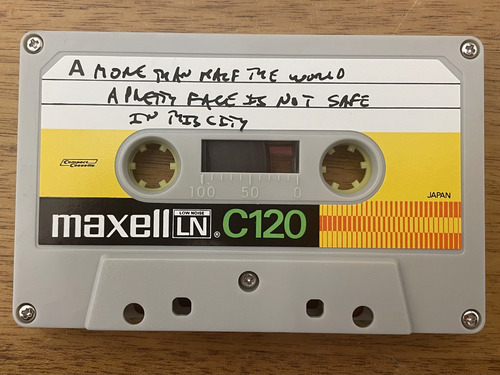
More Than Half the World - A Pretty Face is not Safe in this City
Side A: Host discusses women's rights and justice in the United States. Show features various feminist musicians. ^^Side B: Host and callers discuss women in music, societal change as well as women’s rights. -
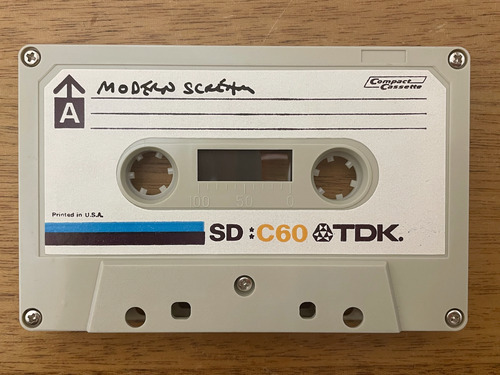
Modern Scream
Side A opens with Viv Sutherland introducing Lily Tomlin’s comedy album Modern Scream on the WBAI Women’s Studies program. The bulk of the tape features Tomlin’s satirical sketches, where she voices multiple characters. Highlights include a bizarre monologue from a woman addicted to rubber, a mock celebrity interview parodying Hollywood shallowness, a chaotic sorority speech full of performative morality, and a child’s monologue touching on emotional contradictions. The humor is absurdist, character-driven, and rooted in media and gender satire.
Side B continues with more sketches from Modern Scream, maintaining the format of comic vignettes performed by Tomlin. It features a flashback to Detroit high school life, a surreal phone company sketch, a spoof interview about playing a heterosexual woman, a parody detergent commercial that turns into a soap opera-style meltdown, and a long sermon from “Sister Boogie Woman” celebrating radical self-expression. The tape closes with Sutherland’s sign-off and a preview of upcoming feminist programming. Like Side A, it’s rich in satire but not thematically aligned with our themes. -
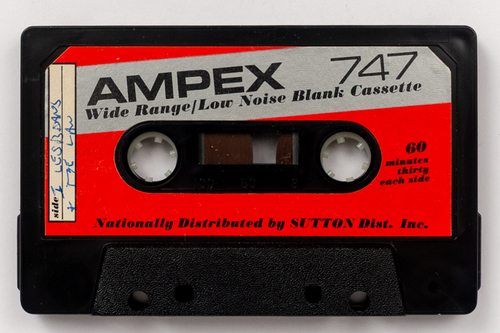
Lesbians + The Law
Broadcast with unknown series title, hosted by Linda Daniels and Marcia Danab, inscribed title “Lesbians + The Law". Jean O’Leary and Eleanor Cooper are interviewed regarding their work with New York Women’s Lobby advocating for the repeal of the Sodomy Law, and appealing to listeners to join for an upcoming lobby day addressing the sodomy laws, maternity disability, childcare, and household workers. Calls from listeners are taking in the second half of the broadcast. Please note that the recording starts after the beginning of the conversation, so some context is lost. Additionally, note that there is some outdated discussion of the inclusion of Trans people in the movement, which might be distressing for some listeners. -
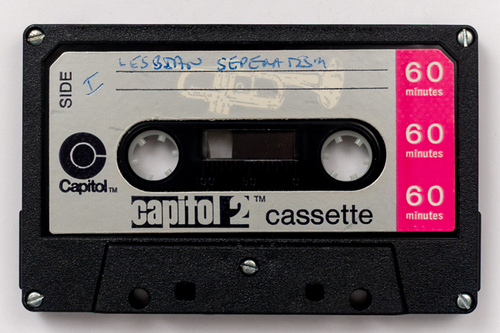
Lesbian Separatism
Broadcast of Gay Alternatives, inscribed as "Lesbian Separatism" on the cassette, hosted by Ronald Gold. Gold interviews three lesbians activists Jan Crawford, Carol Harden, and Doris Lunden about how finding their sexual identity has allowed them to better understand their personal identity and break against gender norms. Recording starts mid conversation, so some context is lost. -
Lesbian Aesthetics I
Broadcast from Gay Academic Union Conference, panel on "Lesbian Aesthetics," held at NYU's Loeb Student Center on November 29th and 30th, 1974. The program hosting the broadcast and host are not known. The panelists featured are Beth Hodges, Bertha Harris, Gayle Rubin, and Rita Mae Brown. -
Kwanza
Recordings of a group discussion around the 7 principles of Kwanzaa, particularly in regards to community and faith, interspersed with singing of Kwanzaa songs. -
Know Your Body: Sexuality - Caryl Ratner
From a series of 8 lectures which comprised a course by and for women also entitled "Know Your Body." The course was given at the Women's Medical Center in New York City, where this lecture was recorded for WBAI in May and June, 1972, by Caryl Ratner and Bill Monaghan. Produced by Caryl Ratner. Contains frank, explicit discussion. Broadcast on WBAI first in June, 1972 and also in October 1972. -

Judy Chicago Speaks with Anaïs Nin
Part 4 of the Women in the Arts series, introduced by the director of Drama and Literature at KPFK, Clare Spark Loeb. Judy Chicago hosts and interviews author Anaïs Nin on the subjects of feminist literature and women's liberation. They discuss a disagreement they previously had about anger and women's liberation. Anaïs also reads from and discusses her book, Fourth Diary. -
It's a Jungle Out There: Jan Alpert Speaks with Rita Mae Brown + Reads from Her Books
Jan Alpert and Rita Mae Brown discuss Rita Mae's career path and motivations outside of being a writer, as well as her involvement as a street organizer in the women's and gay rights movements. Occasionally throughout the interview, Jan will read excerpts from Rubyfruit Jungle, Rita Mae's first novel, and In Her Day, Rita Mae's second novel. While discussing In Her Day, they cover the lessons Rita Mae learned from writing it. -
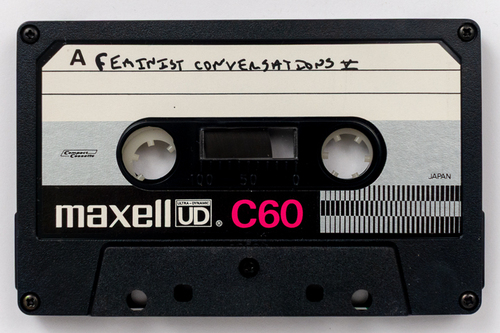
Feminist Conversations V
Broadcast of Feminist Conversations, noted as “Feminist Conversations V,” on both casette side A and side B. In this broadcast, host Nanette Rainone continues theme of recent episodes regarding how to converge Feminism and Marxism. She interviews Renate Bridenthal- historian, professor, and Women’s Studies program coordinator at Brooklyn College- on the topic. -
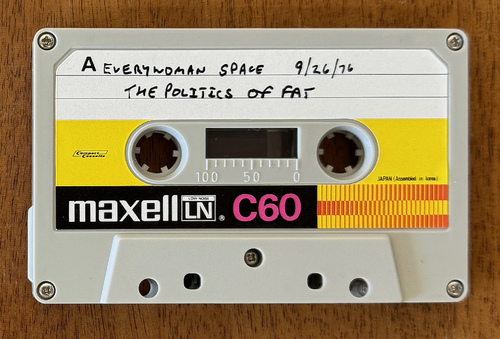
Everywomanspace 9/26/76 - The Politics of Fat
This episode explores the politics of body image. A conversation with a guest named Roe Rasmussen, Roz Pulitzer, Judy Grad, Carol Rosenthal, and Deborah Plumer. As they discuss their problems with self-image, especially in activist spaces, they address issues related to being fat, eating disorders, beauty standards, feeling desirable, and societal treatments around womanhood and fatness. -
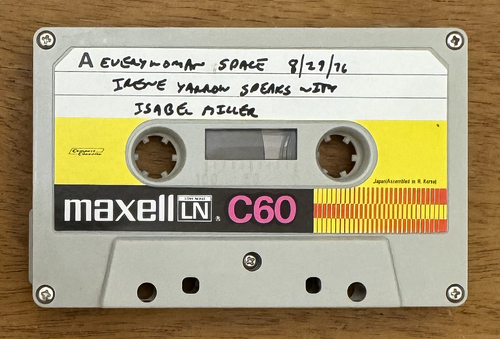
Everywomanspace 8/29/76 - Irene Yarrow Speaks with Isabel Miller
This Everywomanspace episode features host Irene Yarrow in conversation with author Alma Rautsong (Isabel Miller), discussing her novel Patience and Sarah, her use of a pseudonym, and her turn toward feminist and lesbian themes. Rautsong reads from her unfinished work Gertrude, which explores motherhood, domestic labor, intimacy between women, and struggles within marriage, highlighting themes of resilience and female connection. The discussion expands to women’s lived experiences, including menstruation, nurturing, anger, and forgiveness, and stresses the importance of preserving women’s diaries and personal writings as vital feminist and lesbian history, before closing with announcements and a feminist song. -
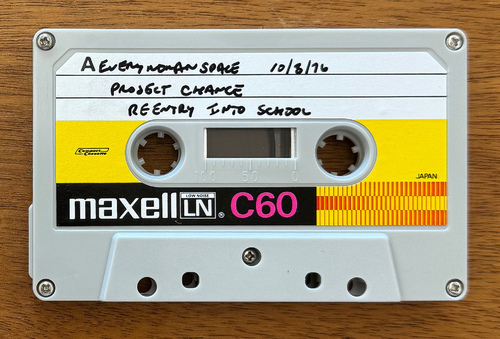
Everywomanspace 10/3/76 - Project Chance 10/3/76 - Re Entry Into School
The episode features a conversation between the host, Irene Yaros, and Ellie Bulkin, Lavinia Penson, and Catherine Conroy. They discuss their new grassroots educational program for adult women, called Project Chance, which HEW funded through the Women's Studies and the Women's Center at Brooklyn College. What they'll be doing is preparing women who want to return to college, who wish to decide whether to do so, or who want to re-enter the labor market, and possibly do so at a level that gives them a slight advantage over what they would have had otherwise. -
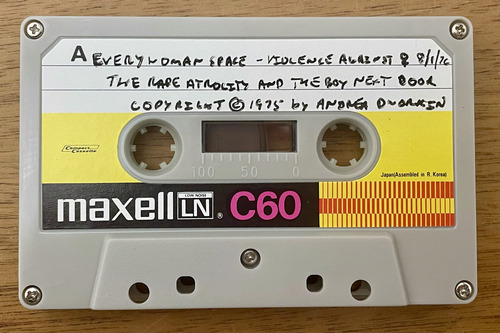
Everywomanspace - Violence Against ♀ (Women) 8/1/76 - The Rape Atrocity and The Boy Next Door - copyright © 1975 by Andrea Dworkin
Woman talking about the toxic beliefs that a woman's body belong to men. Discusses rape, and the poltics behind why people think woman were put on this earth as functional objects to be used by men. Reclamation in naming these harmful systems and acts. Woman proceeds to gives examples of common men violating the boundaries of women and young girls. Goes into discussing the statisitcs of how many rape incidents go unreported, and how many rapists go unconvicted even when reported. Woman then discusses how men bond over the violation of women. That takes precendent over racial bonding. -
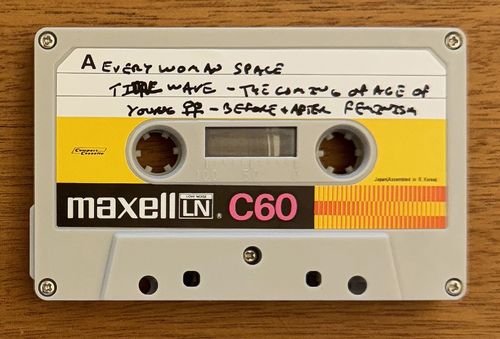
Everywomanspace - Tidal Wave - The Coming of Age of Young ♀♀ (Women) Before + After this Decade of Feminism
A conversation between Irene Yarrow and Nina Kriegel includes a discussion about what it must have been like to grow up, reach adolescence, and go through one's teens at a time when the women's movement was already gaining momentum. Examine the generational upbringings and consider how much the women's movement has truly impacted them, particularly in comparison to growing up before the second wave of feminism. -
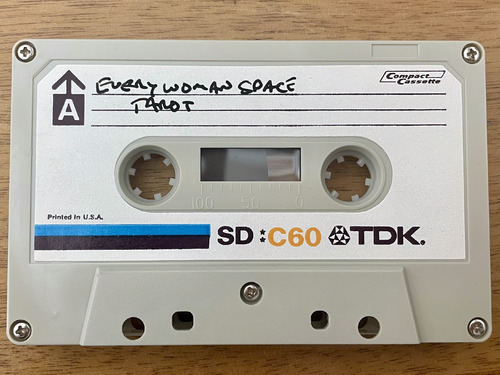
Everywomanspace - Tarot
Tarot reader explains her practice and interpretation of tarot from a “subjective level.” Spirituality/tarot is positioned as a move from patriarchy. The tarot reader credits her practice of tarot to her upbringing around women, reading of feminist texts, also her mother is a witch. -
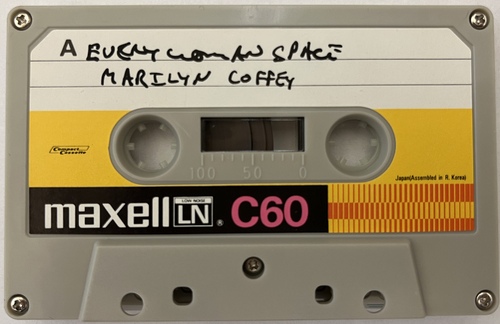
Everywomanspace - Marilyn Coffey
Irene Yarrow hosts writer and poet Marilyn Coffey on the show Everywomanspace. The program starts with Marilyn reading several of her poems: "Insight," "The Diet," "Wordlessly," and "Observation." Irene and Marilyn discuss Marilyn's brief career in journalism and development as a writer, and the writing of her novel, Marcella, a coming-of-age story. Marilyn then reads an excerpt from Marcella.
After the excerpt, Marilyn Coffey explains the projects she has been working on more recently--her second novel, books of essays, and teaching English at Pratt Institute. Irene and Marilyn discuss the difficulties of switching between various forms of writing, like poetry vs. prose vs. non-fiction. Marilyn also reflects on how joining the Women's Movement and becoming a feminist has changed her writing and the reception of her writing. They discuss how deeply ingrained the patriarchy is in their lives and consciousnesses. Marilyn reads a final poem, "Cold," to end the program. -
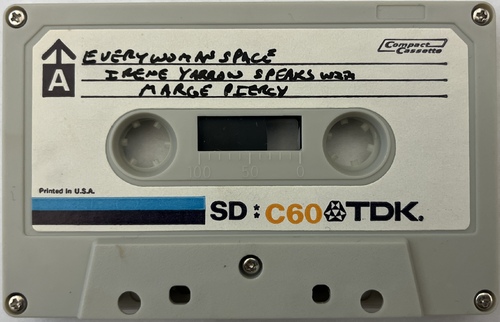
Everywomanspace - Irene Yarrow Speaks with Marge Piercy
On this episode of Everywomanspace, Irene Yarrow interviews poet and author Marge Piercy. Marge discusses her book "Woman on the Edge of Time" and (side B) reads her poems "To Be of Use" and " Living in the Open." -
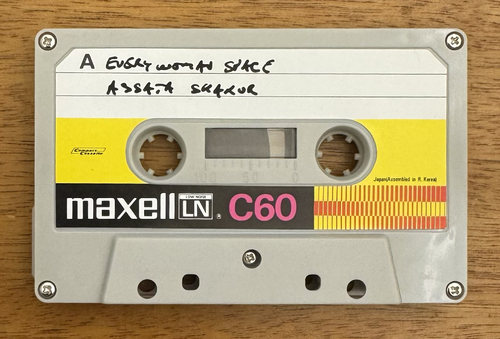
Everywomanspace - Assata Shakur
This episode of Everywomanspace, hosted by Irene Yarrow on WBAI radio, Yarrow and a group of women discuss the recent events surrounding Assata Shakur's arrest and imprisonment and current treatment in the media and jail system. They read Shakur's poems, "What is Left" and play a recording of Evelyn Williams reading Shakur's poem, "Rights and Responsibilities Middlesex County Jail." The women go on to discuss the current state of Shakur's trial, share information on how listener's can support her, play a recording of Shakur thanking supporters from prison, and take calls from listeners. -
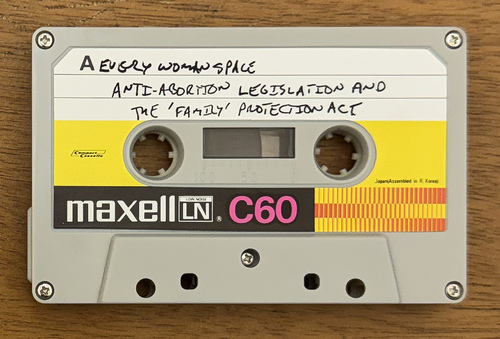
Everywomanspace - Anti-abortion Legislation and the 'Family' Protection Act
This edition of Everywomanspace presents a conversation between Betty Levinson, an attorney in private practice and one of the regular producers of the Women's Legal Clinic, and Rhonda Copeland of the Center for Constitutional Rights, discussing the issue of abortion, along with the cuts that happened at the constitutional level towards Medicaid, and the consequences of the Family Protection Act. -
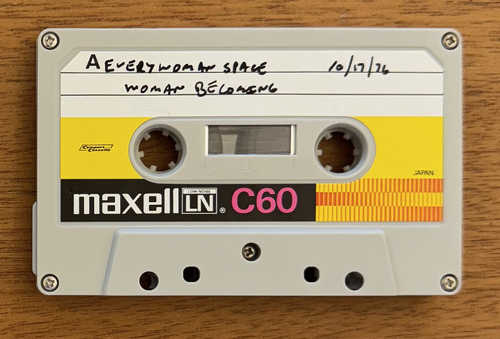
Everywomanspace - Woman Becoming
This episode of Everywomanspace, hosted by Irene Yarrow on WBAI radio, features the complete reading of Yarrow’s autobiographical story “Woman Becoming.” Yarrow explores her personal journey of self-realization and coming out as a lesbian, interwoven with experiences of motherhood, marriage, and feminist awakening. The broadcast incorporates poetry by Judy Grahn, musical selections by Alix Dobkin and Joni Mitchell, and live listener call-ins. -
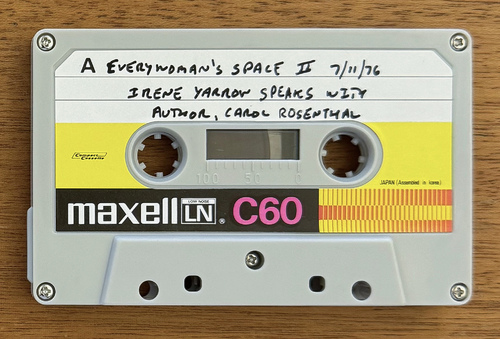
Everywoman Space II 7/11/76 - Irene Yarrow Speaks with Author, Carol Rosenthal
This is the second episode of Everywomanspace. Host, Irene Yarrow, speaks with author Carol Rosenthal. Rosenthal reads her short story Cowboys and Yarrow reads her short story, Mother. The two briefly discuss each piece and how to support women's writing amongst themselves before taking calls from listeners on the same topics. -
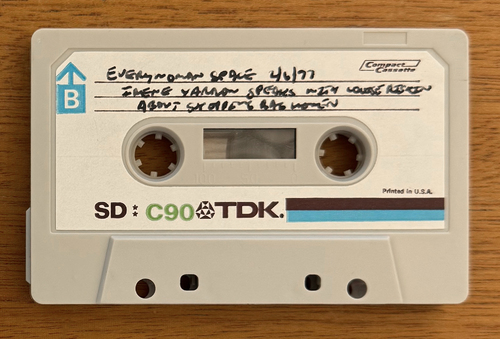
Everywoman Space 2/6/77 - Irene Yarrow Speaks with Louise Risken about Shopping Bag Women
In this episode of Everywomanspace, host, Irene Yarrow, speaks with Louise Risken about the lives of "shopping bag women" (unhoused women) in New York City. They play a short selection of recorded interviews between Risken and these women then take calls from listeners. -
Everywoman Space - Women Writers - Irene Yarrow Speaks with Jan Clausen
In this episode of Everywoman Space (the second show of the Women Writing Series) host, Irene Yarrow, speaks with author Jan Clausen. Clausen reads a selection of her work, a short story called "The Warsaw Ghetto." Yarrow and Clausen go on to discuss the story and writing process. They take calls from listeners and Clausen reads a poem titled "A Christmas Letter." -
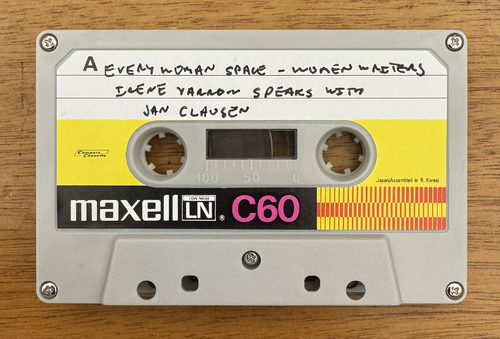
Everywoman Space - Women Writers - Irene Yarrow Speaks with Jan Clausen
Irene Yarrow opens this episode of Everywomanspace with information about Lesbian Switchboard and Identity House to help listeners who want to know how to reach the gay community. She recommends these organizations and coming-out groups, along with consciousness-raising groups, for any woman who wants to get together with other women to discuss issues relating to feminism or lesbianism.
Irene interviews Jan Clausen, a poet and writer from Oregon who reads her short story, "The Warsaw Ghetto." Irene and Jan discuss autobiographical writing, the experience of writing about friends and acquaintances, incorporating the political into personal writing, and receiving feedback as a writer. They also debate the question of whether feminist and lesbian writers should publish with women's presses or commercial presses, prompted by a questionnaire Jan sent to a number of lesbian writers, which she describes as her "writing community." Finally, Irene asks Jan if she feels that her stories with "lesbian content" limit her to a lesbian audience. Both hope that all women would be interested in women's content, regardless of sexuality. Jan also reads her poems, "The Christmas Letter" and "This is a Poem for You, Mary."
Irene also takes questions from callers (side B) including a woman asking for advice on how to find resources to respond to her younger sister coming out and a woman who wanted to share her opinion that publishing through women's presses will be the only option when the women's movement "goes out of vogue." -
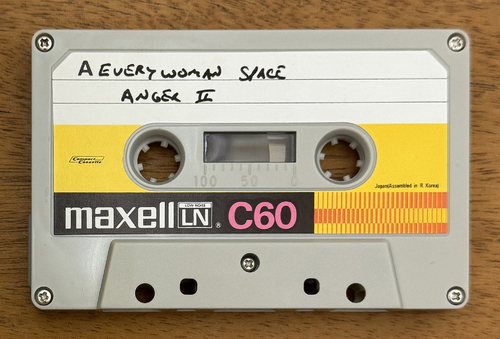
Everywoman Space - Anger II
This Every Woman’s Space episode is centered on the theme of women’s anger, how it is expressed, repressed, and how it is shaped by socialization. Side A opens with an introduction explaining that this episode continues a previous “Speak Out on Anger” program, inviting women of all identities to share their experiences. The host plays a recorded discussion with writer Isabel Miller about interpersonal anger among women and the difficulties of expressing it, followed by readings of listener letters and journal entries, including one describing sexism in a legal workplace. Side B continues with call-in discussions where women describe struggles to voice anger in friendships, workplaces, and family relationships, reflecting on how they were conditioned to “be nice” and suppress confrontation. The host comments on these dynamics, encouraging listeners to unlearn emotional repression and view anger as a constructive, transformative force. The program closes with a listener’s poem and Margie Adam’s song “I’ve Got a Fury”. -
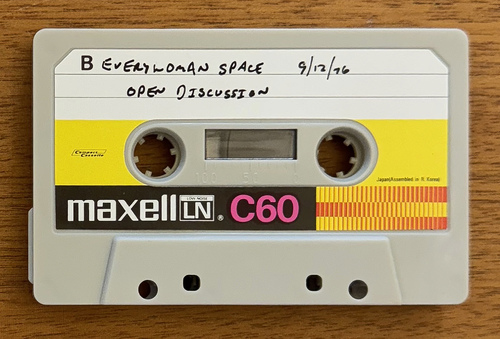
Every Woman Space 9/12/76 - Open Discussion
In this episode of "Everywomanspace," hosted by Irene Yarrow, the host emphasizes that the program is inclusive for all women, regardless of sexual orientation, race, ethnicity, social class, or gender. She introduces the show as a platform for open communication and discourse. Throughout the episode, Irene takes calls from listeners, welcoming their criticisms and suggestions regarding what they would like to see in the program in the future. -
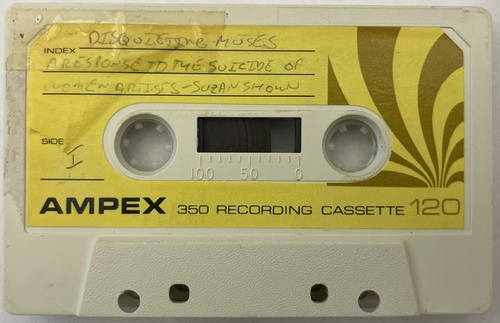
Disquieting Muses: A Response to the Suicide of Women Artists - Suzan Shown
Suzan Shown interviews the cast and creator of the theater show Disquieting Muses: A Response to the Suicides of Women Artists, which examines suicides among women artists. -
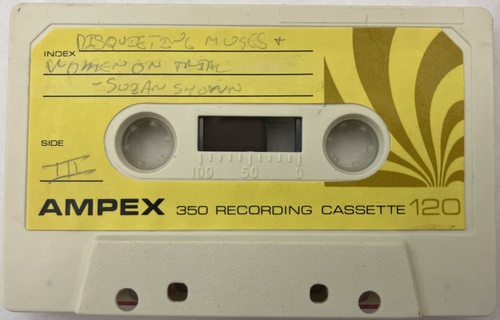
Disquieting Muses + Women on Trial - Suzan Shown
For this episode of All Night Sunday with the Radio On, Suzan Shown interviews the cast and creator of Disquieting Muses: A Response to the Suicides of Women Artists, discussing the feeling of obligation to find a man, get married, and otherwise fulfill the role of what a woman is supposed to be.
Episode includes a reading of an untitled poem by Marilyn Monroe. Features a recording of Women on Trial: The Forbidden Texts of the Three Marias, a one-night only performance about the case of three women authors who wrote against Portugal's dictatorship and were subsequently put on trial. -
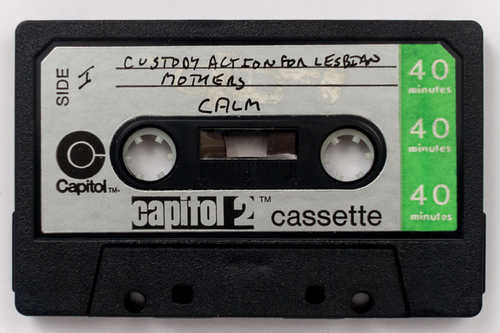
Custody Action for Lesbian Mothers
Broadcast of Learning to Fly, a broadcast of Radio Free Women Philadelphia hosted by Ellen Lambert. Inscribed title "Custody Actio for Lesbian Mothers". Lambert interviews founder of Custody Action for Lesbian Mothers Rosalie Davies and her partner Minna Weinstein. -
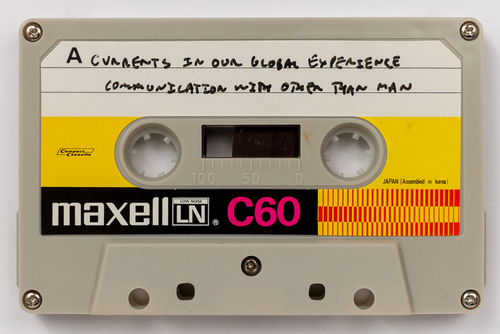
Communication with Other Than Man
Broadcast of Currents in Our Global Experience, noted as “Communication with Other Than Man” on the cassette, (which is also the title of this specific broadcast). The broadcast is a recording of Dr. John and Toni Lilly speaking at three day workshop in NYC about oceanic intelligence and communication with dolphins. Currents in Our Global Experience was a radio show centered on belief systems affecting life on planet Earth. -
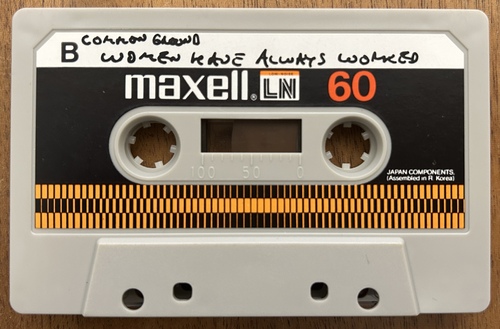
Common Ground - Women Have Always Worked
(This is side B of tape) An interview with Alice Kessler-Harris about her book, "Women Have Always Worked," published by Feminist Press. Hessler redefines "work" and also emphasizes how historically women's labor was not salaried or compenstated financially. -
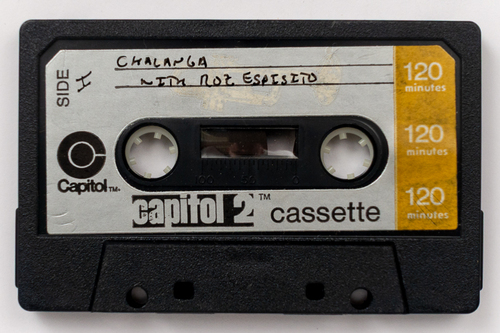
Chalanga with Roz Esposito
Broadcast of Free Music Store, on side A and B, hosted by Ira Weitzman, no title inscribed on cassette. Free Music Store broadcast live concerts. This broadcast captures a band whose name, phonetically, is "cha-long-a," and is possibly lead by "Diane Ponzio" or "Diane Pond," followed by Roz Esposito. -
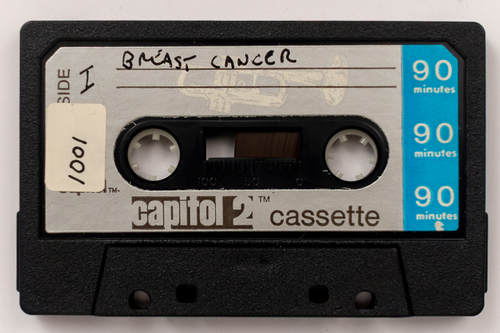
Breast Cancer
Broadcast of radio show hosted by Viv Sutherland, title not noted during broadcast, inscribed title on cassette noted as “Breast Cancer,” on both side A and side B. Sutherland interviews investigative journalist and war reporter Rose Kushner on her new book Breast Cancer: A Personal History and Investigative Report. -
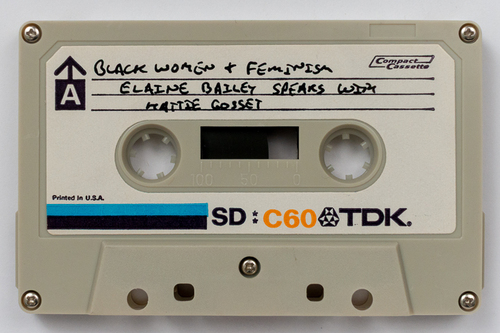
Black Women + Feminism Elaine Bailey Speaks with Hattie Gossett
Broadcast of Our City, Our Lives, noted as “Black Women + Feminism Elaine Bailey Speaks with Hattie Gosset,” on both side A and side B. In this broadcast, host Elaine Bailey speaks with writer, lecturer, and educator Hattie Gossett regarding damaging myths regarding Black womanhood. Note, Gossett's last name is misspelled on the cassette inscription. -
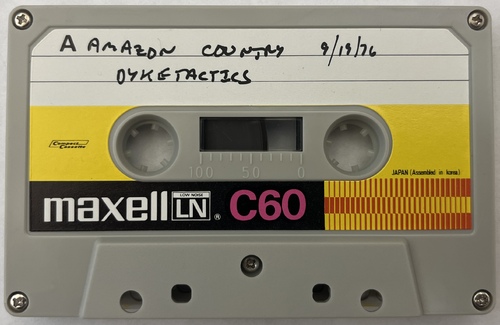
Amazon Country 9/19/76 - Dyketactics
(Side A) Victoria Brownworth opens this episode of Amazon Country by announcing that an Amazon Country employee lost her house, belongings and pets to a fire, so they're starting a collection for her through the Women's Cultural Trust. Various other announcements regard upcoming events, a lesbian support group, and the council elections at the Gay Community Center.
Roberta Hacker interviews Linda Norwood and Sherrie Cohen of 'Dyketactics!' to discuss their lawsuit against the police, the first time in history that lesbians have sued the police for brutality, excessive force, and harrassment. This lawsuit regards police action on December 4, 1975, when 'Dyketactics!' (and other groups) attended a (Philadelphia) city council meeting to help urge passing of the "Gay Rights Bill" by the committee. Philadelphia's Civil Defense Squad immediately approached and used excessive force against the women, prompting 'Dyketactics!' to file a lawsuit against the City of Philadelphia for lesbophobic police brutality. Linda and Sherrie encourage women to attend the trial in order to support them. They also ask for feedback so that they can better represent and stand up for the lesbian community. When Victoria asks what they hope to get out of the trial, 'Dyketactics!' dsecribes their hopes to raise consciousness around the need for gay rights.
(Side B) Linda and Sherrie discuss the positive reception they've had regarding the trial, and announce that there will be a community meeting hosted by 'Dyketactics!' to discuss the disbursement of the (potential) compensation from the lawsuit into the lesbian community. -
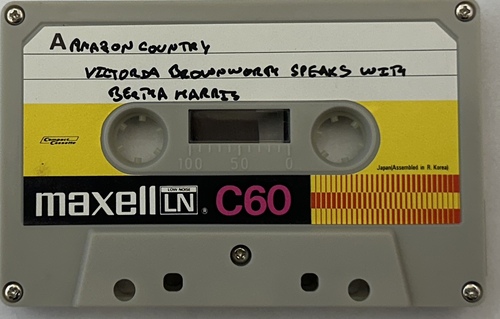
Amazon Country - Victoria Brownworth Speaks with Bertha Harris
Victoria Brownworth interviews author Bertha Harris in an episode of Amazon Country. Bertha discusses how writing has been a means of freedom and escape for her, and how she would like fiction to help define what it means to be a lesbian. They also explore whether and how the patriarchy has an impact on what women write. They ruminate on the overlap between politics and art. -
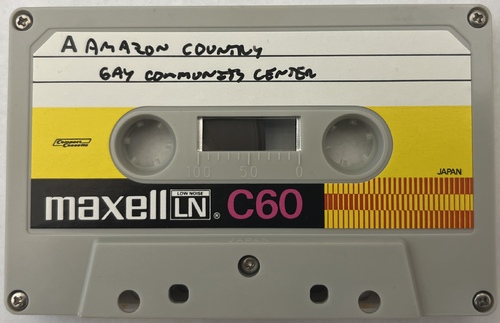
Amazon Country - Gay Community Center
(Side A) Victoria Brownworth this episode of Amazon Country with announcements regarding lesbian and feminist groups and organizations. Roberta Hacker interviews Arleen Olshan of the Gay Community Center. Arleen notes that lesbians are underrepresented in decision-making, policy development and program coordination, and the GCC would benefit from more lesbian involvement. They discuss lesbian separatism (especially relating to how few women are involved with the GCC). Arleen announces upcoming events at the GCC including various lectures by authors and activists, as well as consciousness-raising groups and educational classes. (Continues onto side B) Arleen encourages lesbians to check out the center because they "might be surprised" by the level of feminism that exists within the gay male community.
Includes an ad for the Bicentennial Women's Center. -
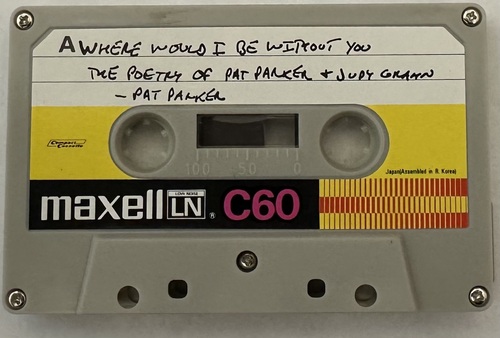
A: Where Would I Be Without You The Poetry of Pat Parker + Judy Grahn - Pat Parker;
B: Where Would I Be Without You The Poetry of Pat Parker + Judy Grahn - Judy GrahnA collection of poetry performed by Pat Parker and Judy Grahn. Pat Parker's performance speaks of topics such as her Black lesbian feminist experiences, domestic violence, reproductive rights, civil rights, and anti-racism. Judy Grahn's performance talks about her experiences as a lesbian, love, and feminism. -
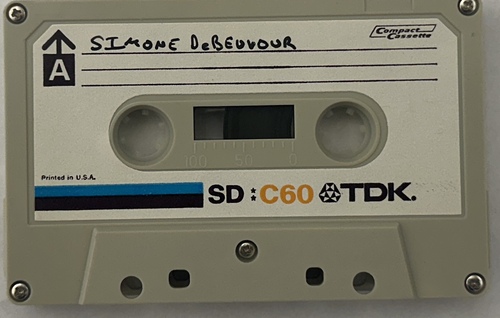
A: Simone DeBeauvoir
Recorded in Paris with Studs Terkel, Simone de Beauvoir describes her philosophies of life and writing her memoirs, discussing: her childhood upbringing in Catholic school, dynamics with her parents, artistic influences in her life, the experience of being a woman writer, and wartime. -
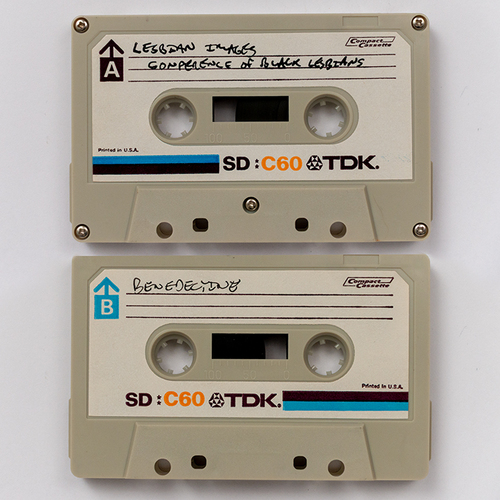
A: Lesbian Images Conference of Black Lesbians;
B: BenedictineSide A: Inaugural broadcast of Lesbian Images, inscribed with the same title on cassette side A, and hosted by Diane and Sonia (last names not noted). The hosts interview organizer Lavinia Penson to promote the Conference of Black Women, which was the first conference gathering Black Lesbians on the East Coast following the historic Conference of Black Women in San Francisco. The hosts took several calls during this program, and a few of the callers expressed racist and lesbophobic views. This broadcast also includes: discussions of hopes for the show; announcements for local weekly meetings and programming for lesbians and women in NYC; a new issue of woman’s prison newsletter “No More Cages”; and promotion for the rally in honor of Dr. Martin Luther King Jr’s birthday and effort to make it a national holiday, as well as an anti-KKK rally in Buffalo.
Also captured at the beginning of Cassette side A, Directly before this broadcast of Lesbian Images, is a short radio play written and directed by Judy Pasternak for "Snapshots: Vignettes of Lesbian LIfe" about a lesbian woman being woken up early to feed her cat. Joan Goldman plays The Woman, technical production by Viv Sutherland.
Side B: Broadcast of Common Ground featuring Mother Jone's editor Adam Hochschild interviewing Carolyn Marshall about her research on drug "Benedictine," an anti-nausea medication prescribed commonly to pregnant women, that may have concerning side effects. -
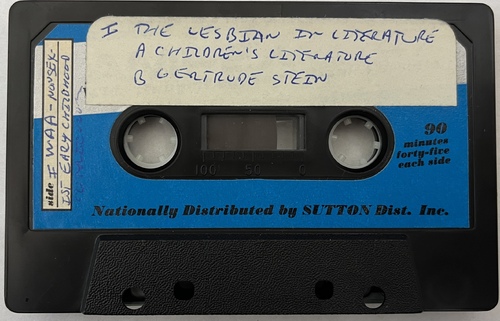
A: I The Lesbian in Literature A - Children's Literature B - Gertrude Stein / I WAA - NONSEX - 1st Early Childhood Curriculum;
B: II Gertrude Stein (Cont.)Recorded at the 1974 Gay Academic Union Conference at NYU, this panel, The Lesbian in Literature, features Janet Cooper and Cynthia Secor, chaired by Virginia Apuzzo. Cooper critiques the erasure of female affection, emotion, and intimacy in children’s literature, tracing it to the influence of early 20th-century librarian Anne Carroll Moore and her control over publishing standards that suppressed depictions of female relationships. Secor’s paper analyzes Gertrude Stein’s feminist and lesbian aesthetics, comparing her to James Joyce while celebrating Stein’s rejection of patriarchal literary traditions and her creation of new forms of expression rooted in female consciousness, identity, and language. Together, the talks explore censorship, literary history, and lesbian representation within both children’s and modernist literature. -
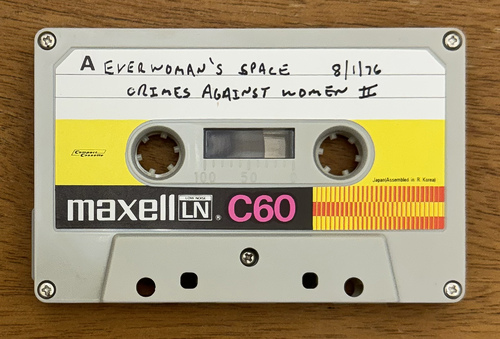
A: Everwoman's Space 8/1/76 - Crimes Against Women II;
B: Everywoman's Space 8/1/76 Violence Against Women IIThis Everywomanspace episode hosted by Irene Yarrow with guests Margaret Robinson, Yolanda Bacow, and Magna Taliswoman, focusing on violence against women. The program highlights rising rape statistics, community actions like the Women’s Walk Against Rape, and the case of Cheryl Todd and Desi Woods, two Black women punished for defending themselves. Discussion expands to systemic injustices, racism, and the importance of women’s solidarity and self-defense. -
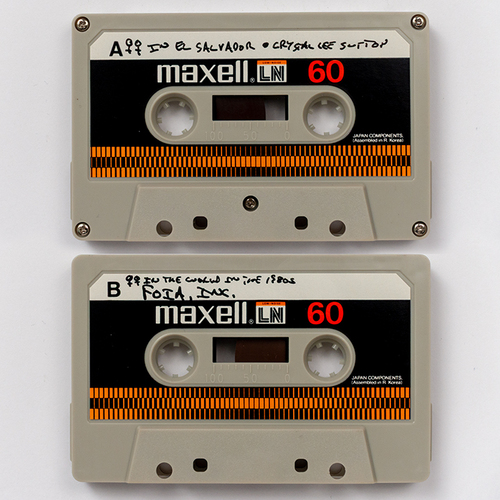
A: ♀♀ in El Salvador - Crystal Lee Sutton;
B: ♀♀ in the World in the 1980s - FOIA, Inc.Side A: Broadcast of radio show, program unknown, with cassette inscribed title “♀♀ in El Salvador - Crystal Lee Sutton”. Recording of live broadcast from a United Auto Workers (UAW) sponsored 1981 International Women’s Day event in Newark, NJ, where union activists Crystal Lee Sutton and Kathy Andrade spoke. Side B: Inaugural broadcast of Women in the World in the 1980s, inscribed title on the cassette "♀♀ in the World in the 1980s - FOIA, Inc". In this program, host Blanche Cook interviews Dr. Ann Mari Buitrago, (author: Are You Now or Have You Ever Been in the FBI Files?: How to secure and interpret your FBI files) and Kathy Engle (poet, organizer) about government efforts to destabilize progressive movements. Buitrago and Engle were the legislative director and executive director of the Fund for Open Information and Accountability Inc (FOIA) at the time of recording. -
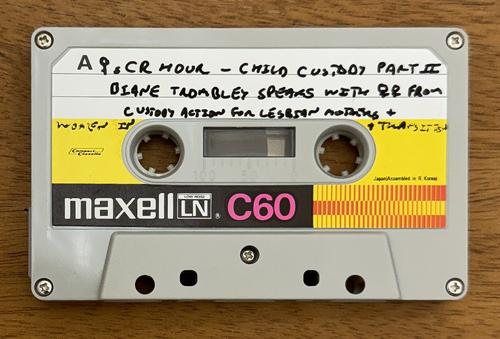
A: ♀'s (Women's) CR Hour - Child Custody Part II - Diane Trombley Speaks with ♀♀ (Women) from Custody Action for Lesbian Mothers + Transition;
B: ♀♀ (Women) CR Hour - Custody Part II - Diane Trombley Speaks with ♀♀ (Women) from CALM + ♀♀ (Women) in TransitionThis episode of The Women’s Consciousness Raising Hour, hosted by Diane Trombley, features an in-depth discussion on the struggles faced by women, particularly divorced and lesbian mothers, within the American custody and legal systems. Guests Jennifer Fleming of Women in Transition and Mickey Weinstein of Custody Action for Lesbian Mothers (CALM) explore the emotional, financial, and institutional challenges encountered by women navigating separation, abuse, and child custody disputes. The program exposes systemic sexism and judicial bias, shares strategies for legal self-advocacy, and promotes alternatives such as shared custody and community support networks. -
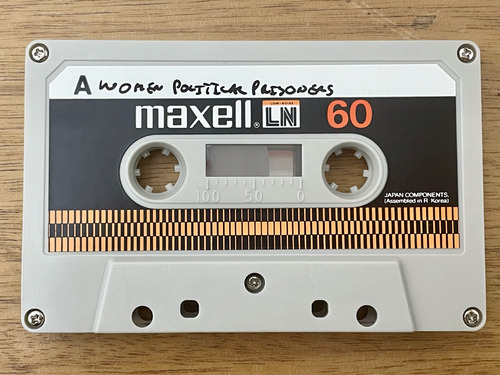
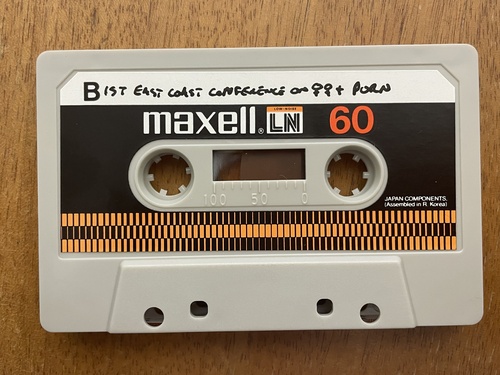
1st East Coast Conference on Women & Porn
Side B - 1st East Coast Conference on Women & Porn: “The following segment on the Velvet Sledgehammer features tapings from the 1st East Coast Conference on Women and Pornography.” -
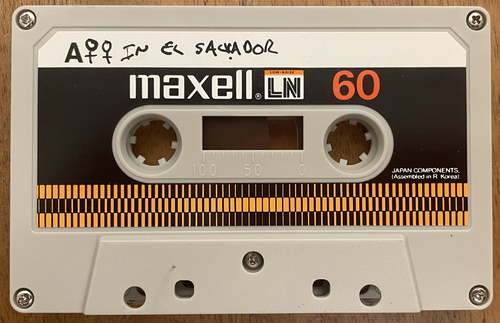
♀♀ (Women) in El Salvador
(This is Side A of tape) Part one of a program on Latin-American women, features a recorded lecture by journalist Anne Nelson given at an International Women's League for Peace and Freedom meeting. Nelson discusses her trip to El Salvador, the paramilitary death squads, and the specific state violence done to Salvadoran women. Nelson laments how this is not being reported on or considered "news" by fellow American reporters and Washington.