
Browse Items (771 total)
Sort by:
-
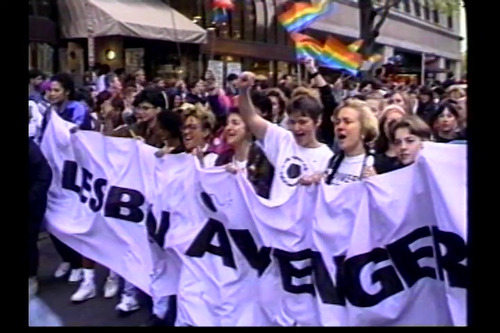
Lesbian Avengers Dyke March Promo / HomoTeens: Portraits of Lesbian and Gay Teenagers
The first 2 minutes are a promotional video for the first annual Dyke Pride March at Bryant Park in June, 1993, featuring footage from the DC Dyke Pride March in April 1993, which includes lesbians marching in the streets, chanting, dancing, and fire-eating.
After, there are several minutes of solid stills featuring text appearing to be the names of individuals featured in the project "HomoTeens: Portraits of Lesbian and Gay Teenagers" by Joan Jubela. The footage features clippings of an article written about Henry, a young gay man, in People magazine that outed him to his mother. From 11:50-13:45, Henry talks about the conversations with his parents after the article was published, wherein his father was accepting but his mother was very upset. -
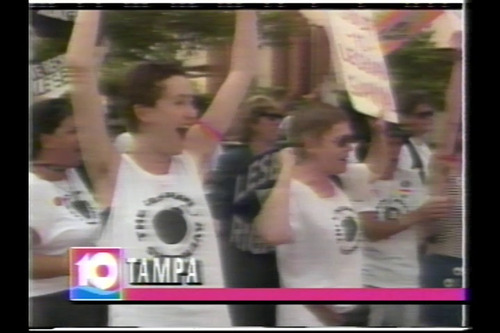
Tampa TV Coverage (Tape 2)
Compilation of news coverage from '10 Tampa Bay' of protests organized by the Lesbian Avengers responding to the burning of a trailer belonging to lesbian and HIV advocate Dee DeBerry.
Sections:
- "Why are these lesbian activists eating fire?" [00:38-02:47]
- Tampa Hate Rally: The Lesbian Avengers and other groups [03:07-03:46]
- Gay activists who call themselves Lesbian Avengers [04:07-04:52]
- Temple University News Taping [05:01-14:47]
-
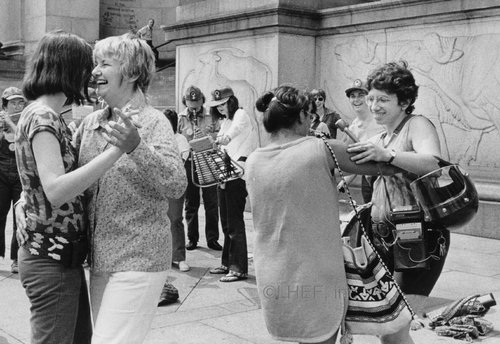
At the Museum of Natural History
Lesbians dancing, Martha Shelley on the right. -
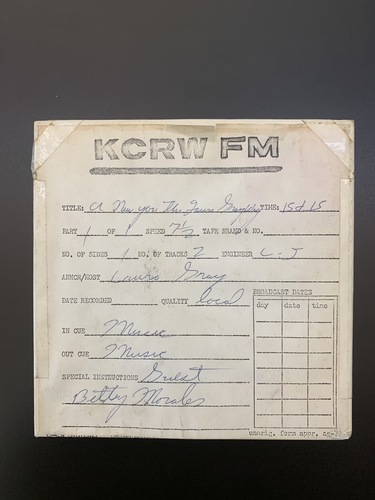
A New You: The Laura Grey Way
A New You: The Laura Grey Way, hosted by John Cox and Laura Grey, is a weekly radio show that talks about beauty, skincare, and health. In this two-part recoding, the hosts are interviewing Betty Morales, the president of the Cancer Control Society. These episodes specifically focus on the idea of cancer as a nutritional deficiency condition, with Morales promoting the use of Laetrile, also know amygdalin, as a way to 'control' cancer in patients. However, the FDA has never given approval for laetrile to be used in the United States.Tags Radio -
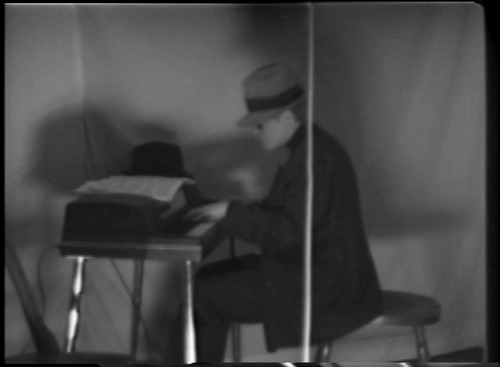
Performance Theatre Troupe (Tape 1)
A video of a one-woman play by the Performance Theatre Troupe from Iowa City. The place centers around Effy, a 17-year-old lesbian and musician who must make a decision about her life.
The three-act play takes place over a single day. Act 1 follows Effy in the afternoon, in her bedroom, before going to a piano recital she is involved in. Act 2 takes after the piano recital. Act 3 takes place later that night after Effy has been thinking about her life.
Tape 1 includes Acts 1 & 2. -
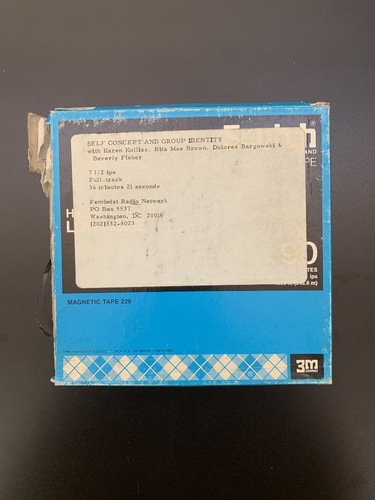
Leadership, Self-concept, & Group Identity
Four women from working-class backgrounds critique leadership and individualism in second-wave feminism. Karen Kollias, Rita Mae Brown, Dolores Bargowski, and Beverly Fisher discuss the exclusion they experience by middle-class feminists who do not hold the same values of strength and leadership, which are viewed as masculine and therefore threatening. Feelings of guilt and the role of the mother in lower-class homes are also discussed. -
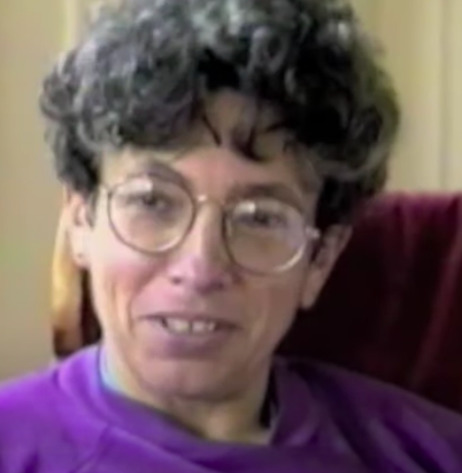
Interview with Martha Shelley, November 7, 2020
On November 7th 2020, MSLIS students Julia Rosenzweig, Tiffany Chan, and Sadie Hope-Gund conducted an interview with Martha Shelley on behalf of Pratt Institute School of Information and the Lesbian Herstory Archives. Martha was the producer of the 1970’s radio show Lesbian Nation, the tapes of which have been preserved in digital format on this website. The interview was recorded remotely from Brooklyn and Portland, and the covered topics regarded: her personal history, activism, and work on Lesbian Nation.
Tags Martha Shelley -
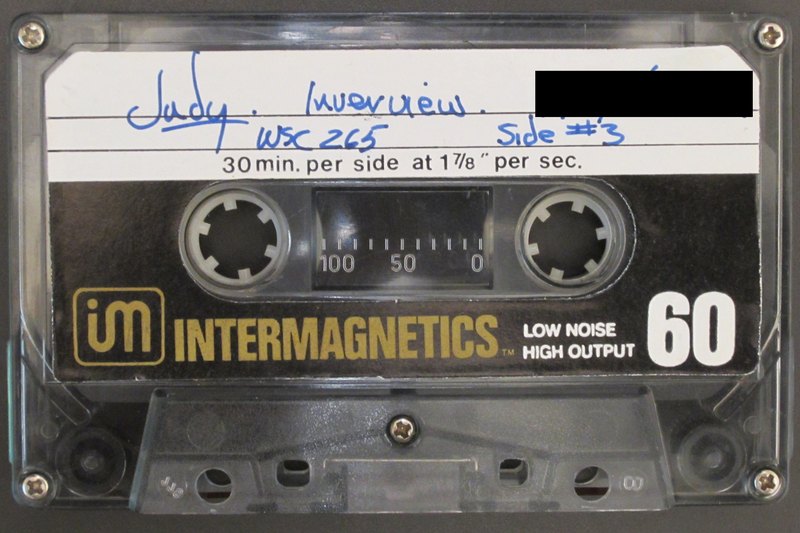
Judy T., 1978
Judy discusses butch and femme identities, social interactions, and role-play within relationships. She expresses relief over how these once rigid demarcations of identity have become more flexible within the lesbian community. Later, however, she notes "class" differences that continue to striate lesbians as a social group.
The social conditions, the acceptance of lesbians, and the "openness" of homosexuals are compared between New York, Florida, and Toronto. References are made to anti-gay activist Anita Bryant and others who put social pressure on lesbians to stay closeted.
Additionally, Judy touches upon negotiating workplace discrimination and "nosy" neighbors. She briefly mentions her relationship with her family and what it was like growing up in Buffalo.
-
Judy T., 1979 (Tape 2)
Judy discusses her views of gay men, including her belief that all so-called gay men are in fact bisexual. -
Judy T., 1979 (Tape 1)
Side A: Judy discusses some of the bars she used to frequent, and her changing views of sex.
Side B: Judy discusses her past relationships and the ways in which she feels the treatment of women at jobs has changed. -
Judy Grahn Poetry Reading [Fair use excerpt]
A poetry reading featuring Judy Grahn. Grahn reads from "She Who" and other works. The uploaded file has been cropped due to Fair Use restrictions. The full recording is available at the Lesbian Herstory Archives. -
Judy, November 25, [year unknown]
Judy shares detailed aspects of her life as a gay woman in the 1940s; she talks about the first time she felt attracted to another girl at age nine, and what it felt like when she came out in 1944. The interview brings to light the array of conflicts and fears she experienced growing up at the heart of a devout Italian family in Buffalo, and the difficulties faced as a young woman living in New York City at the end of World War II. Some of the topics discussed include working conditions, relationships, gay and lesbian bar scenes, popular music, butch and femme, and clothing styles. -
Judy, January 6, [year unknown]
Judy talks about her relationships with three different women and the role they each played in the relationship. She talks about gender identities and one relationship with a woman who wanted to be a man and had very mixed gender roles. She talks about not being able to talk about her relationships with her mother, yet comparing her relationship to that of her mother and father. She speaks about losing sexual interest in her partner and moving from an intimate relationship to just a friendship. -
Judy, February 5, [year unknown]
Judy describes her experiences over the past thirty years up to the point of the interview. Topics discussed include cheating (“playing around”), polygamous lesbian relationships, fights in bars, holiday celebrations, friendship, same-sex marriage, religion, drinking, drugs, crime, mental health and treatment of lesbian women, the commonality of lesbian women seeking psychiatric treatment, the working environment for lesbian women, living alone, families of lesbian women, and one case of a lesbian woman raising a son. Judy believes that lesbian women should not raise children and has an extensive discussion about her reasoning. She ends the interview by discussing movie stars and entertainers that were popular among the lesbian community in the 1930s and 1940s. -
Joe, April 18, 1979 (Tape 1)
Side A: Joe talks about the social atmosphere in the 1920s through the 1940s. He talks about Service Clubs and Music Circles as vehicles for social interaction but claims not to know of any exclusively gay or lesbian social groups. He also talks about the one gay bar in town in the 1930s and '40s and calls it "middle class at best."
Side B: Joe talks about social clubs (all men's clubs) and how gay society functioned within these clubs. He also talked about sports and gay women at the time. -
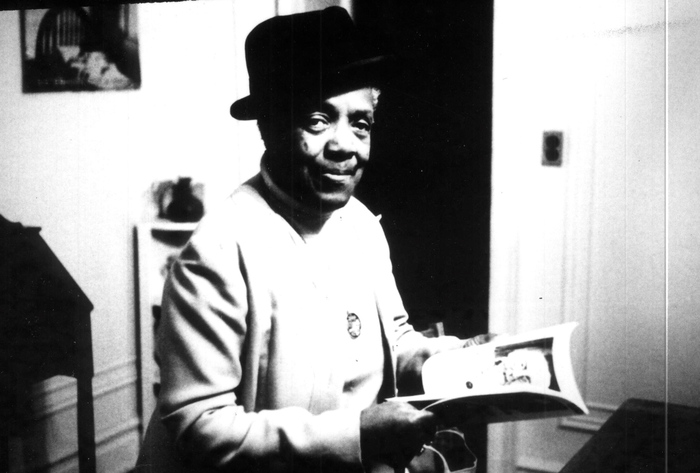
Mabel Hampton Singing and Talking
Oral history interview with Mabel Hampton. Side A: Mabel sings and talks about her life with Lillian Foster, and stories from her youth. Side B: She describes her life in Jersey City, Coney Island and the rape by her uncle. She also talks about the pitfalls of falling in love, and being a working woman at 80 years old. -
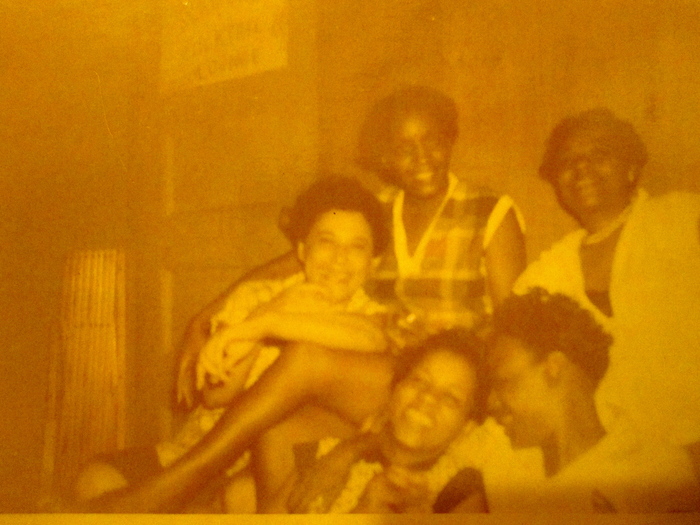
Mabel Hampton Interview [Coming out / Lillian]
Oral history interview of Mabel Hampton. Mabel talks about her childhood; coming out with a woman she met at Coney Island; her relationship with Lillian Foster; the LHA and her respect for Joan Nestle and Deborah Edel. -
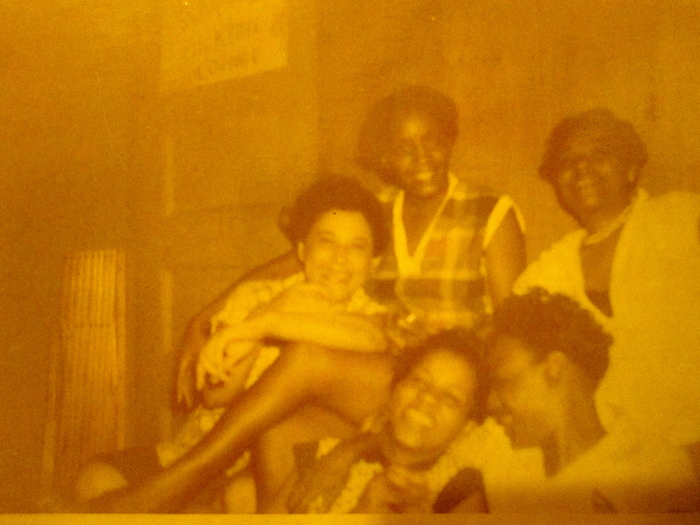
Mabel Hampton Interview [Lillian Foster / Youth]
Oral history interview with Mabel Hampton. Mabel tells stories of different women she dated and how she met Lillian Foster, who would be her partner from 1932-1978. She also talks about friends and jobs she had in her youth. -
Mabel Hampton Interview [Parties / 1930s]
Oral history interview of Mabel Hampton. Mabel discusses "slumming party" where she first met A'Lelia Walker, and what it was like being gay during the 1930s. -
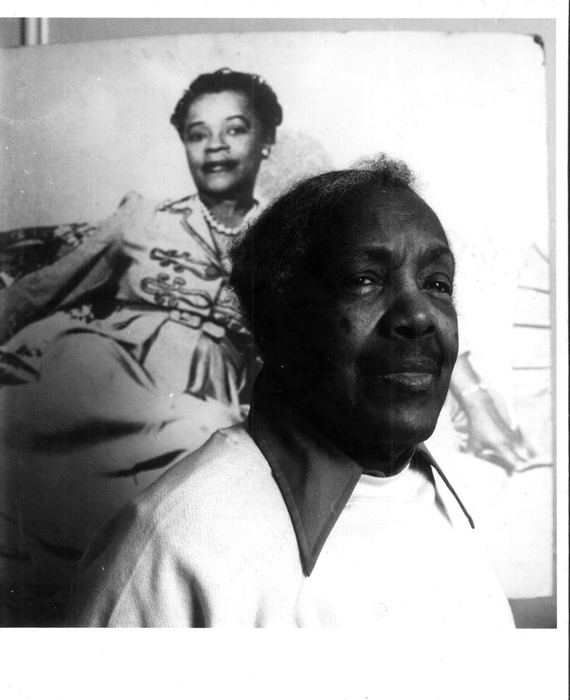
Mabel at 85 (Tape 1)
Interview of Mabel Hampton. Mabel discusses her life with Lillian Foster, the lesbian movement, and performing and singing. -
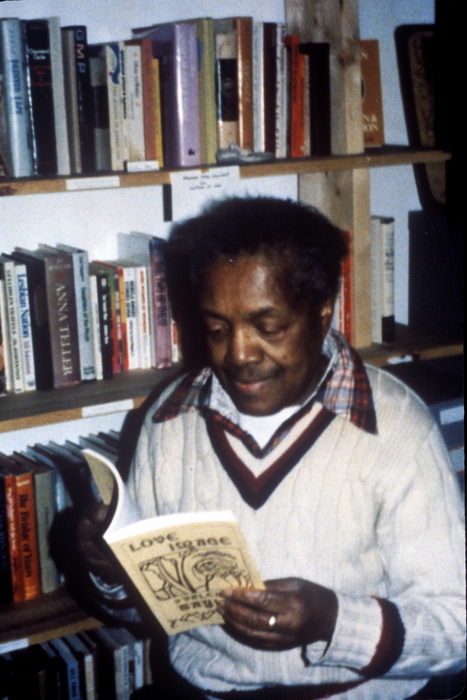
Mabel Hampton Interview [Books / Working at the Lesbian Herstory Archive / Documentary]
Oral History interview of Mabel Hampton. Conversations between Joan and Mabel about a book Mabel enjoyed, working at the Lesbian Herstory Archives, a documentary film in the making, and Mabel's early life and sexuality. -
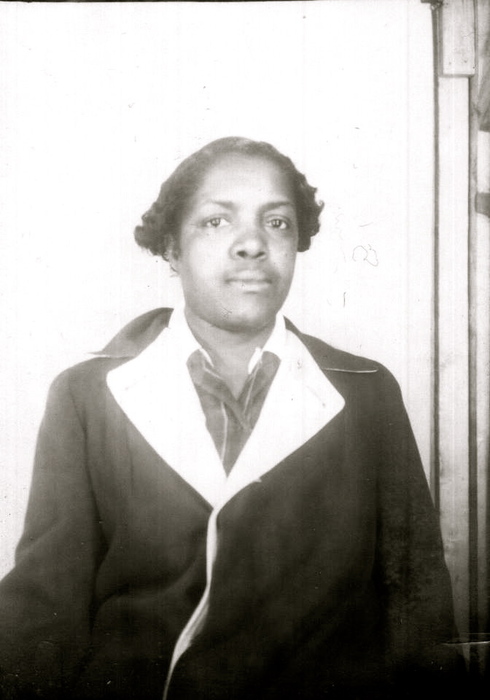
Mabel Hampton Interview [Early Childhood]
Oral History interview of Mabel Hampton. Mabel describes her early childhood and rural upbringing in Winston-Salem, North Carolina, in the early 1900s. Notable facts include her mother's death (possibly by poisoning) not long after Mabel's birth, and that Mabel was very small (perhaps premature) at birth. Mabel also discusses a range of subjects including a description of and anecdotes about her early caretaker, life on a farm/agricultural setting, and memories of going to church. -
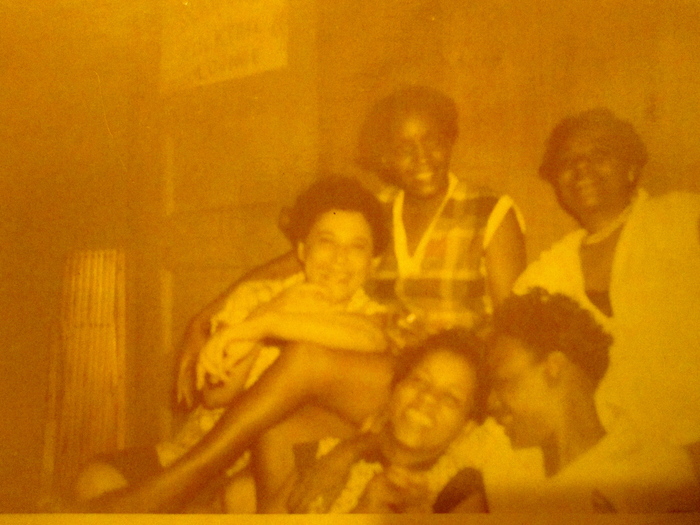
Mabel's Parties / Mabel Hampton, 1981 (Tape 1)
Oral History interview dated . Side A: Mabel talks about the parties she attended, the atmosphere, the people she met and the music she listened to. She also speaks in detail about romantic relationships with specific women and her first love from Coney Island. Her love of classical music is also discussed, which began when she started her first job. -
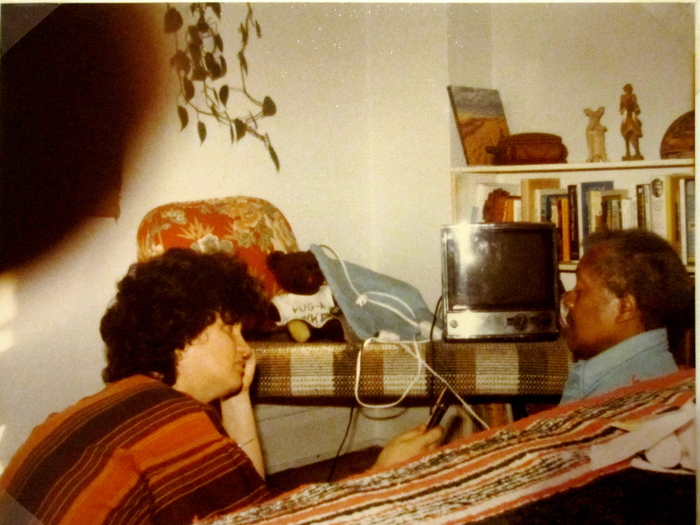
Mabel Hampton Interview [Coney Island / Lillian / Fashion]
Mabel Hampton discusses, with Joan Nestle, gender identity, attraction, men, and marriage. Mabel Hampton also discusses nicknames she shared with Lillian Foster, including "Little Bear" and "Big Bear." They look at photographs and reminisce about Coney Island, buying new clothes, and Nestle's preparation of slideshows for the LHA. The second half of the recording covers a few takes of stories surrounding Mabel's time living with Joan and Deb after an apartment fire, Mabel and Lillian's nicknames for each other, and the meaning of Mabel's fashion choices. -
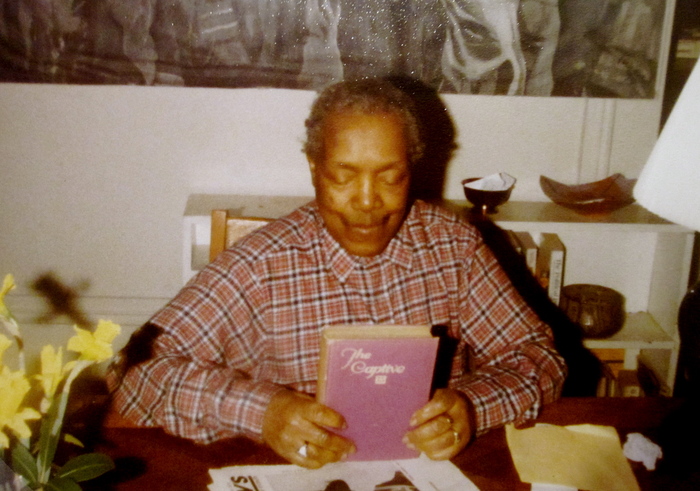
Mabel Hampton Life Stories, November 20, 1978 (Tape 1)
Mabel discusses the importance of lesbian writing and how she considers being a lesbian to be the most important aspect in shaping her life. She goes on to give a description of her childhood. She also describes the the girl with whom she had her first lesbian experience. -
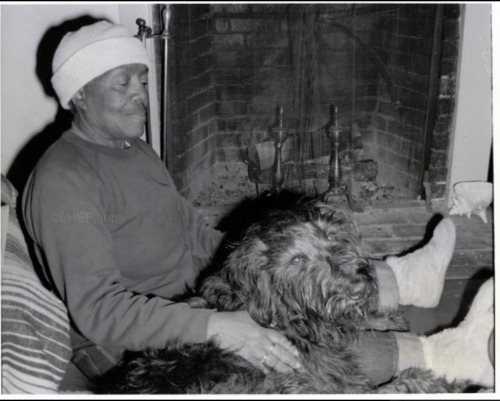
Mabel Hampton Interview [Lillian Foster / Femininity]
Oral history interview of Mabel Hampton. Mabel talks about Lilian Foster, her partner, that she has never dated any man, and is a feminine type of lady who likes to dress up. -
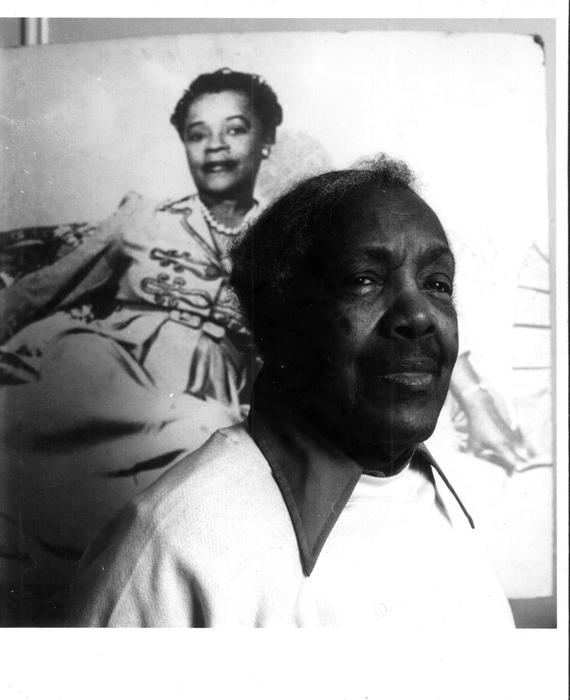
Mabel Hampton, 1982 (Tape 1)
Side A: Some discussion of when Mabel first heard the word lesbian, her experiences as a dancer. Side B: Mable describes her experiences caring for children, finding freedom as a child, running away from her aunt and uncle to New Jersey to live with the White family, and her spirituality. -
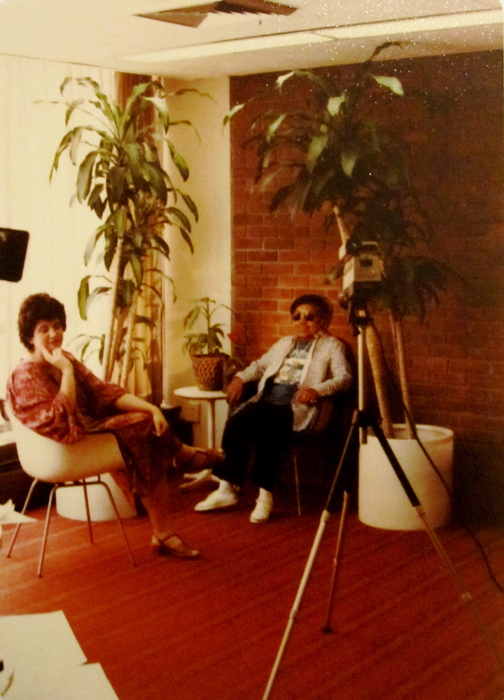
Mabel Hampton, November 28, 1986 (Tape 1)
Mabel talks about her life at theater Lafayette on Coney Island in the 20s. She also talks about the dress code of her and her friends; also the language describing lesbians back in the 1920s. -
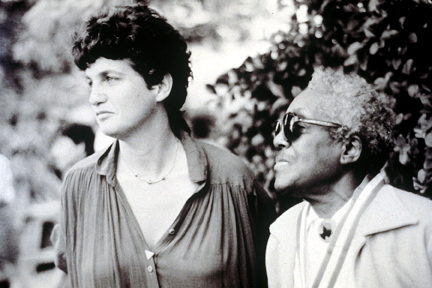
Mabel Hampton for Feminary / Mabel Hampton; Joan Nestle, 1979 (Tape 1)
Oral history interview for Feminary: A Lesbian-Feminist Journal for the South. Joan Nestle interviews Mabel Hampton at 77. Mabel describes her childhood in Winston-Salem, North Carolina, her train journey to New York City, the city vs. the country, meeting lesbians and her views on race, sisterhood and the fight for lesbian rights. -
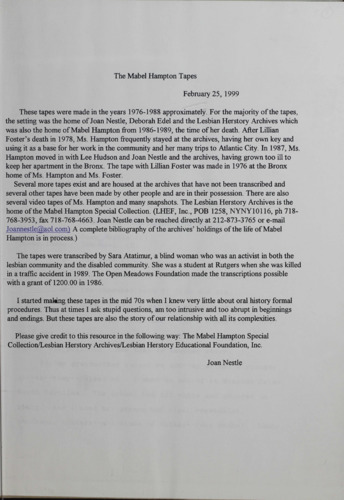
Mabel Hampton Tapes transcripts
A two-volume transcript of several tapes in the Mabel Hampton Oral History collection. In addition to tape transcriptions, the volumes include notes and other annotations by Joan Nestle and Sara Atatimur. The final pages of volume two also include Joan Nestle's article "I Lift My Eyes to the Hill: The Life of Mabel Hampton as Told by a White Woman;" Mabel Hampton's obituary in the New York Times; and a draft of Joan Nestle's article "Her Spirit Soars Above Us." -
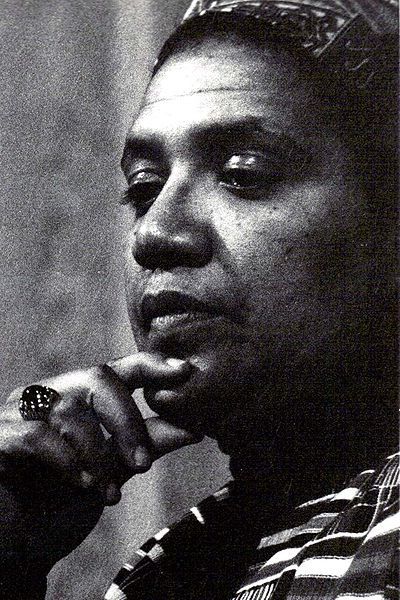
Modern Language Association Conference in Chicago, 1977
Modern Language Association Conference in Chicago, December 1977. Lesbian Feminist Poetry Reading featuring six poets. Side A includes Joan Larkin, Barbara Smith and Diedre McCalla. Side B includes Melanie Kaye, Adrienne Rich and Audre Lorde; Audre Lorde appears at 28:07 on SPW1151_B (Side B). -
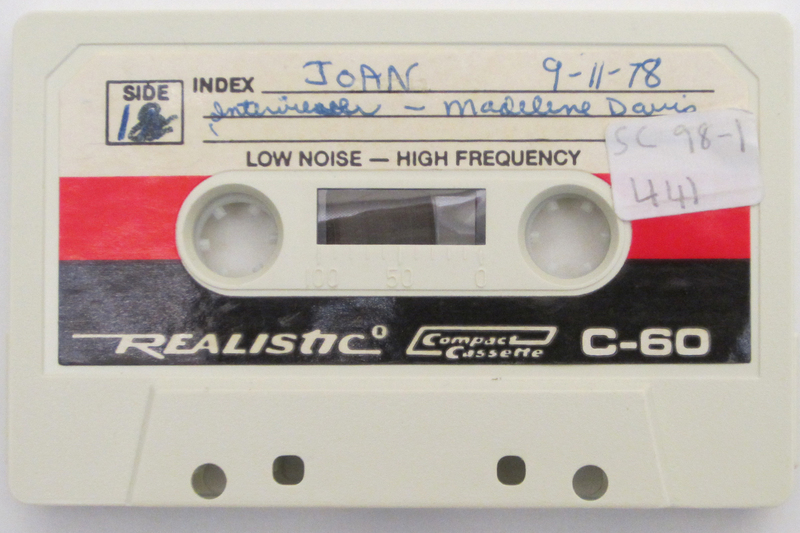
Joan, September 11, 1978 (Tape 1)
Side A: Joan discusses the distinction between butch and femme lesbians, the differences between the white and black gay communities, the Buffalo lesbian bar scene, and coming out in the 1960s.
Side B: Joan discusses the class divisions in the lesbian community, the university gay scene, and her personal, professional, and romantic history.Tags Bars, Buffalo Women, Butch and femme, Colleges and universities, Coming out, Communities, Identity, Lesbian and gay experience, Lesbian bars, Lesbian community--New York (State)--New York, Lesbian Herstory Archives, Lesbianism, Lesbians--United States--History, Lesbians--United States--Identity, Lesbians--United States--Interviews, Madeline Davis, Oral history -
Gay Men's Health Crisis [Living with AIDS],
Episode of Gay Men's Health Crisis (GMHC) cable show Living with AIDS, covering topics related to women with AIDS. -
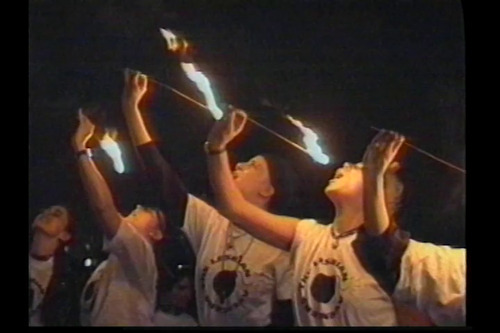
The Lesbian Avengers Eat Fire, Too
[Description from the Lesbian Avengers]
The Lesbian Avengers Eat Fire, Too offers a look at the New York group's first year, from their initial demonstration in front of an elementary school in '92 to the Dyke March in DC, where the Avengers ate fire in front of the White House, cheered on by an enormous crowd.
The video supplements footage of actions with portraits of real-life Avengers still giddy with their first experiences of taking to the streets as out dykes, as well as interviews with puzzled tourists trying to answer the question, "Who are the Lesbian Avengers?"
Edited by two Avengers, videomaker Janet Baus, and experimental filmmaker, Su Friedrich, the video was a group effort, with a number of Avengers contributing.
--------
The Lesbian Avenger employed fire eating as an act of protest as a response to arson attacks against gays and lesbians who had been killed by Molotov cocktails thrown into their homes. -
![[2014SP]ForTobybyShirleyloSideA.mp3](/omeka/application/views/scripts/images/fallback-audio.png "[2014SP]ForTobybyShirleyloSideA.mp3")
For Toby by Shirley, Side A
This audio recording discusses the Daughters Of Bilitis New York City chapter. The main voice on the recording is a woman who was elected national president. She talks about her time as national president during the start of the Womens Rights movement. The recording discusses the success of the New York City Chapter and the new role they were playing in the Womens Rights movement. -
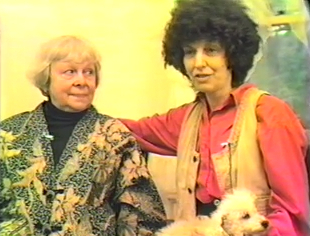
Ruth Simpson and Ellen Povill Interview, October 8, 1989
Ruth Simpson and Ellen Povill are interviewed in Woodstock, New York. Ruth talks about her past experience dating men and falling in love. She discusses coming out and realizing her sexual orientation when she was doing theater in college. On tape 2, she and Ellen Povill talk about various movements, including civil rights, feminism and gay and lesbian rights. They describe the day a group of feminists were arrested at a demonstration and the police brutality they experienced and later on, examples of FBI interception. Ruth discusses DOB and her leadership of the New York chapter and Ellen talks about her activities on the action committee. -
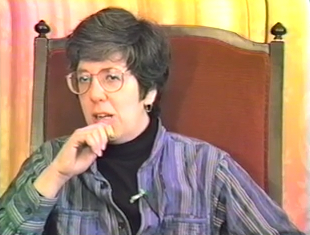
Renee Shapiro Interview, April 1, 1989
Renee Shapiro is interviewed April 1, 1989. She discusses joining the Daughters of Bilitis and the various group activities they did. Renee talks about her hands on experience with putting together plays and different group events. -
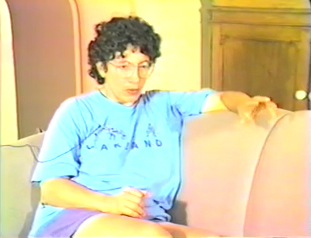
Martha Shelley Interview, June 24, 1989
Martha Shelley is interviewed in New York in 1989. She talks about being a lesbian in New York from the 1960s, the negative views of lesbians portrayed by psychologists, the bar scene, roles and her use of a pseudonym. She talks about finding DOB, the meetings and discussions that took place, and her contributions to the Ladder. She talks about Jean Powers and other members of DOB and describes the members as mixed race, working class, couples and singles. She also talks about her political activism in terms of DOB, peace, civil rights and the Stonewall Riots, including the marches she was involved in and the speeches she made. -
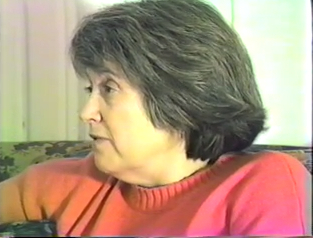
Marilyn Lamkay Interview, April 8, 1987
Marliyn Lamkay is interviewed in New York City in 1987 (it seems to continue from a previous video and is perhaps continued in another video). She talks about being a lesbian in New York and coming out to her family and professionally, her relationships and religious beliefs. She discusses lesbian roles and how she didn't fit into any of the existing roles, even in the DOB community. She discusses community building and CR groups when she was younger and how she went on to hold workshops about resources for gay and lesbian New Yorkers at Bronx Community College. She mentions New YorkDOB meetings and the influence that DOB had in the creation of subsequent lesbian groups and communities. -
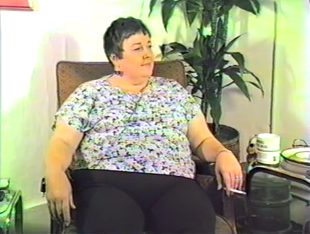
Linda Lopez Interview, October 22, 1988
Linda Lopez is interviewed in 1988. She talks about growing up in the South and how she fared as a lesbian living in a conservative community. She discusses the Dallas DOB and how the membership consisted of a number of women who had been married, divorced and had kids (including herself). She talks about the custody battle she had with her parents over her son and how many women faced similar battles but with their spouses. She also talks about how she and a number of women lost their jobs when it was discovered that they were lesbians. She discusses the Dallas DOB's events.
On tape 2, she talks about the impact of the Dallas DOB in Dallas and beyond, how it inspired activism and other organizations. She talks about Rob [Shivers]' leadership and its role in DOB's strength. She discusses Dallas and the South in General - how lesbians were treated and how they lived. She talks about the need for job security, the roles and expectations of women. -
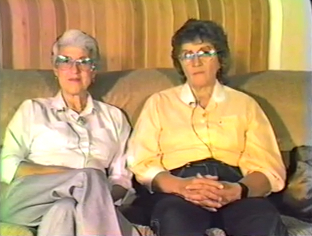
Kay O'Hara and Gerrie Morrison Interview, October 20, 1988
Kay O'Hara and Gerrie Morrison are interviewed in 1988. They both talk about their family lives, when they realized they were lesbians, coming out, their relationship, and previous relationships. Kay mentions her engagement and marriage before she accepted she was a lesbian. They talk about the San Francisco DOB from the 1950s and the meeting's events that were held, as well as butch and femme roles. They talk about literature that was available, including the Ladder and the contributions they made to its design and distribution. On tape 2, they comment on a series of slides and photographs of members of DOB. -
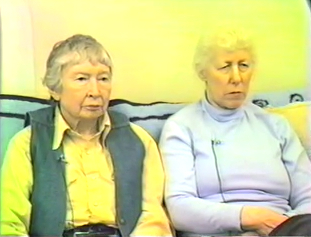
Julie Lee Interview, 1989
Julie Lee and her partner [Ginny] are interviewed in 1989. They discuss relationships, lesbian communities, activism and the civil rights movement. Julie talks about her role as secretary of the New York chapter of DOB and her roles in United Sisters, ACLU, etc. They both talk about police harassment and how 'out' lesbians lost their jobs. Julie also mentions her pseudonym. -
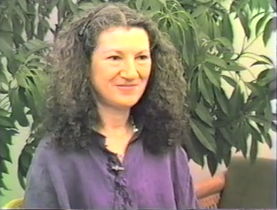
Barbara Sang Interview, April 22, 1989
Barbara Sang is interveiwed in 1989. She talks about how she went through psychotherapy and attempted to live as a heterosexual woman. She discusses her role in the New York chapter of DOB as the Education Chair and the programs and events she organized as well as finding as much information as she could about gays and lesbians. She also talks about DOB in the 1960s and the privacy it afforded its members, not insisting that they come out, which was criticized by more radical movements. -
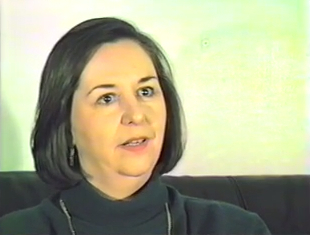
Barbara Emmerth Interview, February 21, 1988
Barbara Emmerth is interviewed in New York City in 1988. She discusses the uniqueness of coming out on West Virginia in the 1950s where there was little stigma attached to homosexuality because there was so little understanding or awareness of it. She speaks about her relationships, moving to New York City in the 1960s and her involvement with DOB (including a brief stint as the VP of the New York chapter) and with SAGE (Services & Advocacy for Gay, Lesbian, Bisexual & Transgender Elders). -
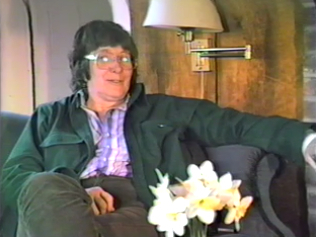
Anne MacKay Interview, April 24, 1988
Anne MacKay is interviewed in Orient Point, New York in 1988. She discusses the early days of the DOB, lesbian conventions, coming out to her family, socializing, theatrical productions to help fund the Lesbian Herstory Archives, and relationships between lesbians. -
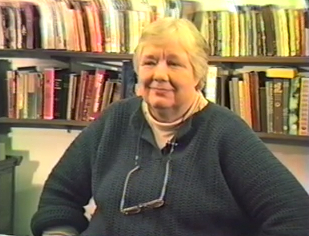
Alma Routsong Interview, January 20, 1990
Alma Routsong is interviewed in New York in 1990. She discusses her early experiences of being a lesbian and coming out. She explains how lesbian literature of the time informed her about DOB and influenced her to leave her husband and move to New York with her lover. Alma also discusses her writing career and use of a pseudonym. In tape 2 she discusses DOB groups and events, as well as the demise of DOB. -
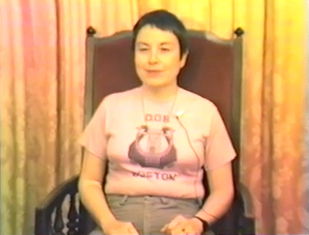
Jean Ko Stewart Interview, April 11, 1989
Jean Ko Stewart is interviewed in Boston in 1989. She discusses her early relationships with women and coming out. She speaks about her role as the Vice President of the Boston chapter, which involved organizing dances and concerts and a focus on providing a community space for lesbians. She compares the political and social climate of California and Boston, and considers Boston’s racial climate at the time. Jean explains that she moved to California because she heard that women wore slacks to work, which was considered unacceptable in Boston in the 1960s.
Accompanied by an abridged version where Jean Ko Stewart speaks about meeting with the Daughters of Bilitis community. -
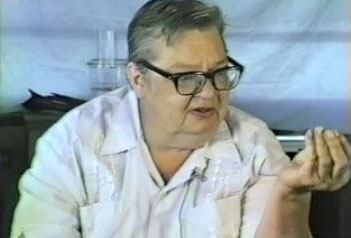
Shirley Willer Interview, July 11, 1987
Shirley Willer talks about becoming aware of her true sexuality, being a lesbian nurse, the DOB, her view on motherhood, and her experience as an activist. On tape 2, she discusses her National Presidency of DOB, the break up of DOB in 1970 and the end of the Ladder in 1972. She also touches on the 1968 convention and her relationship with Marion. -
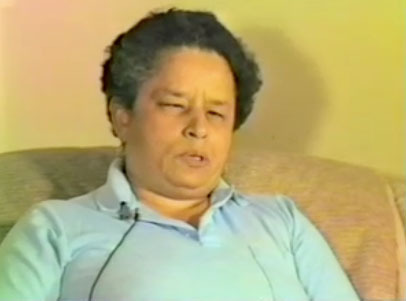
Pat Walker Interview, October 18, 1988
Pat Walker talks about her mother's reaction to her sexuality, her first girlfriend, living with blindness, and her experiences with the DOB and its members. -
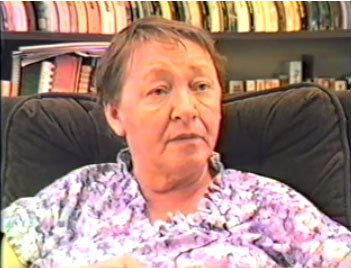
Marion Zimmer Bradley Interview, October 17, 1988
Marion Zimmer Bradley talks about her experience growing up, her marriage and children, being a woman writer in science fiction, writing for The Ladder, and discrimination in publishing. She also touches upon her struggles as a lesbian mother. -
Joan with Donna and Doris, April, 1978
Joan talks about how she went to jail and her experiences while she was held there.Tags Bars, Buffalo Women, History, Lesbian and gay experience, Lesbian bars, Lesbian community--New York (State)--New York, Lesbian Herstory Archives, Lesbianism, Lesbianism--History, Lesbians--United States--History, Lesbians--United States--Identity, Lesbians--United States--Interviews, Madeline Davis, Oral history, Prisons -
Bonnie, June 9, 1984 (Tape 2)
Bonnie discusses rules of conduct within the lesbian community, including domestic violence, beginning and ending relationships, identifying as butch or femme, and domestic roles. Other topics include prostitution with women and men, bisexuality, definitions of lesbianism, types of relationships, and her rules of attraction. -
Bonnie, June 9, 1984 (Tape 1)
Bonnie discusses the lesbian community in which she came out and lived during the 1960s. She describes the difference of experience for butch and femme lesbians in public during this time, the roles butches and femmes play within relationships, and the social expectations involved. Other topics include Bonnie's lesbian mother, alcoholism, lesbian bars, Bonnie becoming actively gay at Catholic school, her way of flirting, and monogamy and infidelity within the lesbian community. -
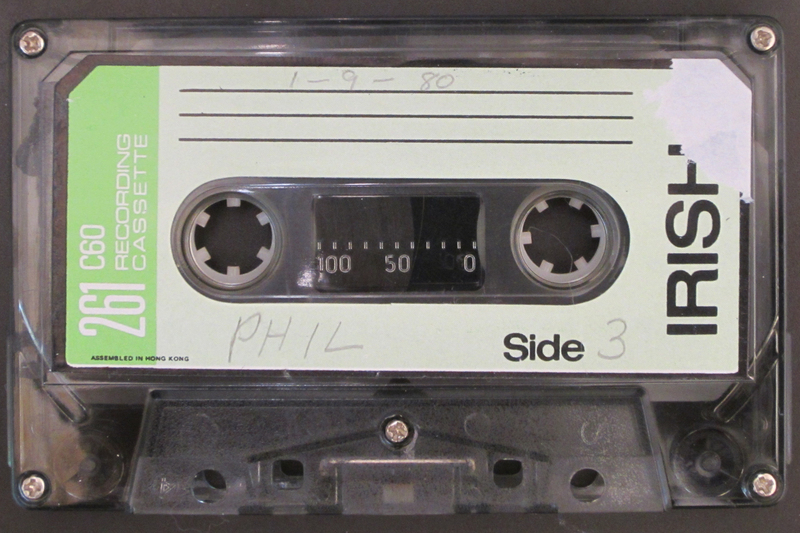
Phil, January 9, 1980
Side 3: Phil begins the interview by discussing the dynamics of living with her lover and husband under the same roof, as well her lack of shame or guilt in being gay. She then talks about guilt among other lesbians she knew. Related to this, she discusses reasons people were not public about their lesbian identity, including work and family commitments. She spends the majority of this side of the tape talking about her long-term, intimate relationship with her best friend. She discusses the difference between butch and femme friends, as well as the distinct features of a close friend versus a lover. -
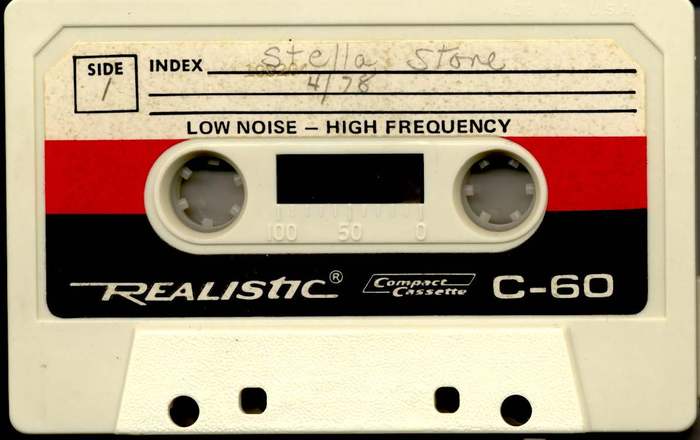
Stella Stone, April, 1978
Stella describes growing up in a broken home, and having to take on a lot of responsibilities. Explains her curiosity in women as she got older. Later, she discusses how her bisexuality made her feel different than everyone. -
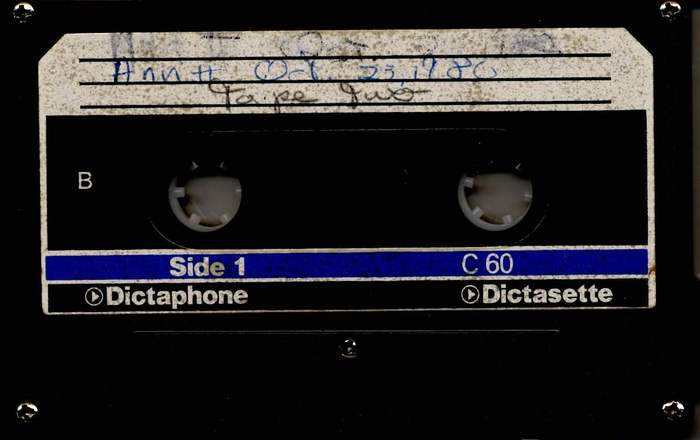
Ann II, October 23, 1980 (Tape 2)
Ann describes what she looked for in a women. Discusses the clothing change among lesbian women. Explains some of her relationship experience with women. -
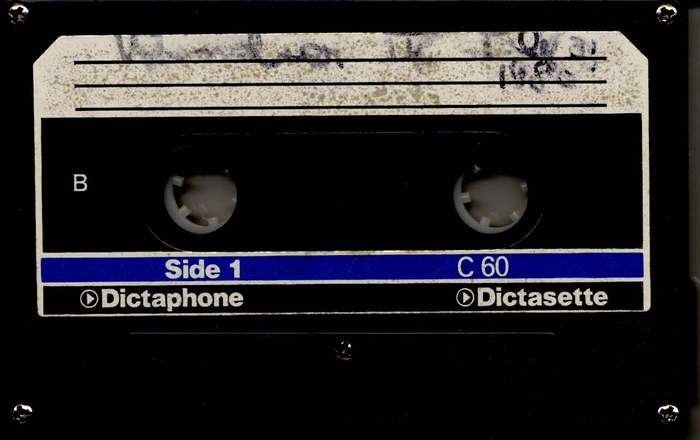
Windsor, Tape 1, July 31, 1980
SIDE A Windsor discusses femme and butch roles in several lesbian relationships, and Skip’s opinion on these role changes. Windsor speaks about her relationship with Skip and difficulties of being constantly with her partner, having different money-earning capabilities, the emotions and desires in their relationship, and how they celebrated holidays together.
SIDE B (Duplicate of Side A) Windsor discusses femme and butch roles in several lesbian relationships, and Skip’s opinion on these role changes. Windsor speaks about her relationship with Skip and difficulties of being constantly with her partner, having different money-earning capabilities, the emotions and desires in their relationship, and how they celebrated holidays together.
-
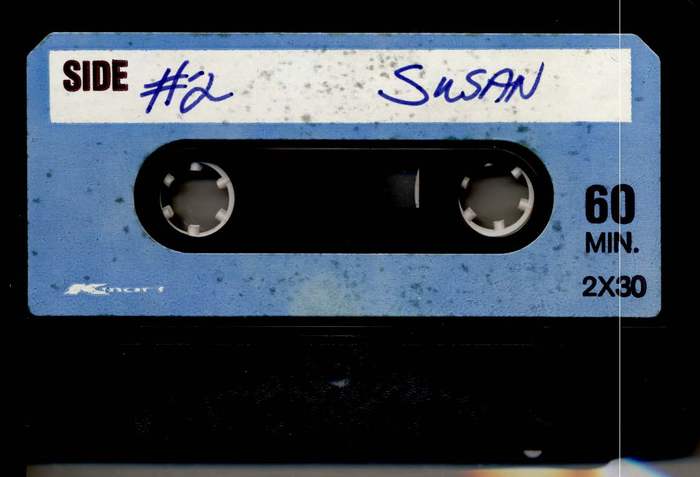
Susan, undated (Tape 2)
Susan continues her discussion of lesbian social and political groups, both at the university and within Buffalo. This interview also covers Susan's experience with Buffalo nightlife (specifically gay and lesbian bars), coming out to her parents, and how being gay affected her career. -
Susan, undated (Tape 1)
Susan discusses discovering her sexuality, her first relationship with another woman, and the university atmosphere for a lesbian. Her interview includes stories about her romantic experiences as an overweight woman, the gay and lesbian nightlife in Buffalo, and her political advocacy in the gay and women's rights movements. -
Sara Brown, 1978
Sara Brown discusses her experiences with her previous female partners. She talks about her childhood and the influence that her family and Catholic School had on her life as she was growing up. She also discusses the difficulty she has had in coming out to her parents in later life. -
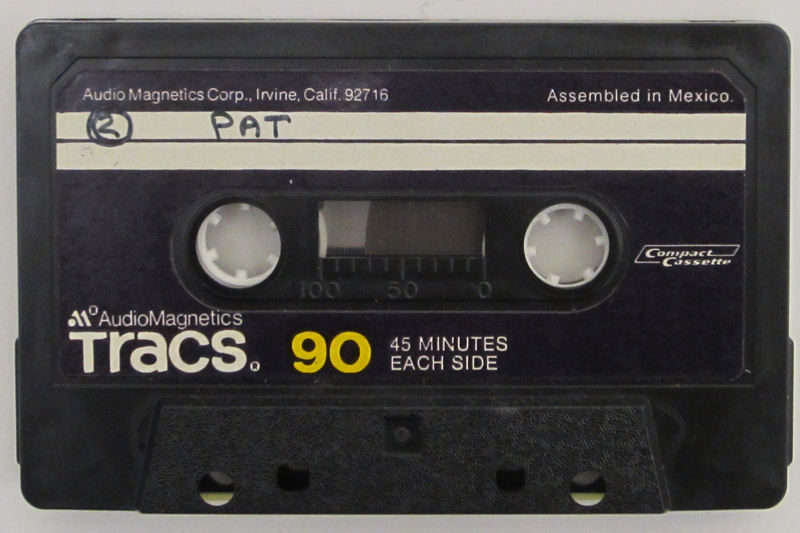
Pat, June 6, 1978 (Tape 1)
Side A: Pat discusses her definition of lesbianism and her attitude towards “radical lesbians.” She also discusses her background, including her relationship with her family and her experience at an all-girls Catholic school. She talks about how and when she realized she was a lesbian and describes her early relationships with women. She discusses leaving home and experiencing gay bars for the first time in the 1950s. Finally, she discusses butch and femme roles and how they have changed.
Side B: Pat discusses why she does not have many gay friends and why she does not identify with the lesbian community. She talks about her relationships and her feelings about sex. -
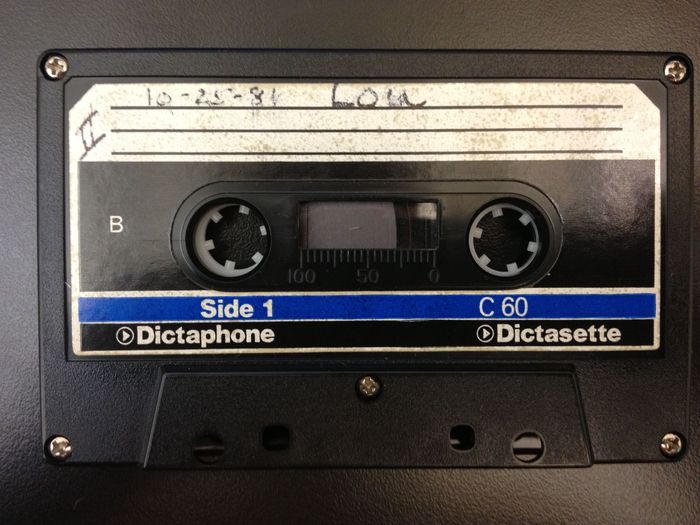
Lou, October 21, 1981 (Tape 2)
Lou discusses her experience raising children as a lesbian woman, discussing at length her love of children, and wanting them to have a better life then she did. She also discusses her experience with police harassment as both a black women, and a lesbian.
Side B includes songs about lesbians, their lives and realities, and their relationships with children and their families. -
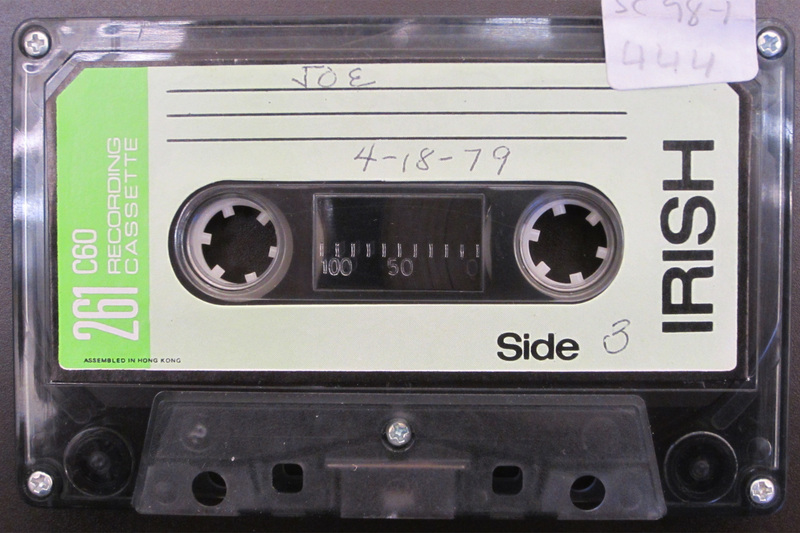
Joe, April 18, 1979 (Tape 2)
Joe offers suggestions for local history sources, research materials, and other interview subjects. He also shares anecdotes of his travels to San Francisco. -
Sanders, Side A, October 24, 1976
This tape contains an interview with Helen Sanders in her home. -
Sanders, Side B, November 24, 1976
An interview with Helen Sanders in her home. It includes audio from side A. -
Dorothy, October 26, 1981 (Tape 2)
Side A
Dorothy discusses how women met one another, sexuality, and her various relationships. Particular focus is on her 10 year relationship with her girlfriend during the mid 1950s to mid 1960s.
Side B
Dorothy discusses how she feels about children and the fact that she never any. She gives her opinion on two women raising a child, and talks about her friends who are now married to men who raised children. In addition, she continues her thoughts on sexuality and butch-femme roles.
-
Dorothy, October 2, 1981 (Tape 2)
Dorothy talks generally of leisure activities, relationships, and sexual relations. She then talks at length about one long-term relationship with Harriette, mentioning their business, break up, life-long friendship, and Harriettes other relationships.
She talks first of weekend activities or leisure activities such as house parties, picnics, and going to bars. She talks in general about sexual relations, mentioning "daisy chain" sex, and attitudes towards sex and equality in love-making. She talks in general about long-term relationships and breaking up. She then answers questions and talks at length about her long-term relationship with Harriette, their break up and lasting friendship. She mentions their first car and the business they owned together. She talks of monogamy. She talks of Harriette's later marriage and other relationships. Dorothy talks of her opinion of bi-sexuality and of Harriette's marriage and relationships.
-
Dorothy, October 26, 1981 (Tape 3)
Dorothy discusses her lifelong identity as a lesbian and her uncharacteristic history in adopting both the butch and femme roles in prior relationships. She talks about being the child of a single mother (her father died when she was two years old) and also describes her hobbies. She says she has always been very mechanically inclined and has also always been an avid reader. She suspects that being an avid reader influenced her ability to understand and be accepting of herself. She also discusses her education and career and her treatment as a lesbian on the job. She was the first female member of the American Society of Tool Designers and later became a technical librarian and engineering researcher. She also speaks about her friendships and non-sexual relationships with both gay and straight women. She notes the differences between those relationships and how her mannerisms and level of self-consciousness also differ in those interactions. -
Dorothy, October 26, 1981 (Tape 1)
Side A
Dorothy discusses lesbians in the military during World War II with regard to her friend Betty, a lesbian marine who feared her phone was tapped. She refers to it as a 'witch hunt'. Dorothy discusses lesbian bars in Buffalo in the 1940s -1950s, and talks about friendships and butch and femme roles.
Side B
Dorothy discusses her break up with her girlfriend of 13 years, Charlotte. She talks about their courtship, sexuality, home life, and their families, who were never formally told they were a couple. While talking about the break up she mentions the deed to a cottage they shared and losing personal property in the breakup. Dorothy mentions seeking help from a lawyer and a lesbian psychologist in the 1950s. Dorothy discusses that she once considered suicide after a breakup.
-
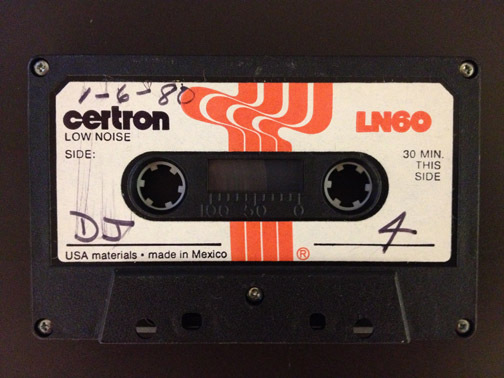
DJ, January 6, 1980 (Tape 3)
Side A: DJ continues her interview from tape SPW513. She finishes discussing her romantic relationships then moves on to discuss gay literature, specifically The Well of Loneliness. The topic of workplace discrimination is mentioned. DJ discusses relationships in the community through the venue of gay and straight bars. Relationships between straight men, lesbians, and bisexual women are discussed as well as race relations. Side B: DJ covers the topic of prostitution in the lesbian community. She speaks about the choice some lesbians make to marry men and have kids. -
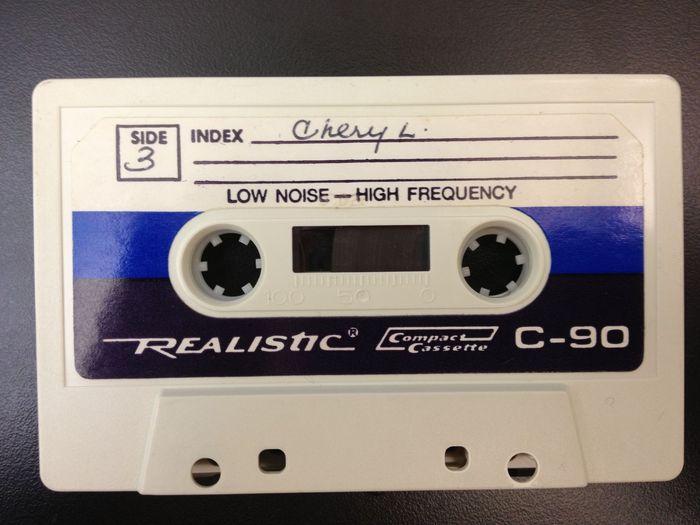
Cheryl, October 4, 1978 (Tape 2)
In the first few minutes of this tape Cheryl and the interviewer have a casual conversation discussing topics as, a gay computer dating services and gays in the service
Later in the tape Cheryl discusses how her relationships fall into patterns. From there she list characteristic she is attractive to in a partner.
-
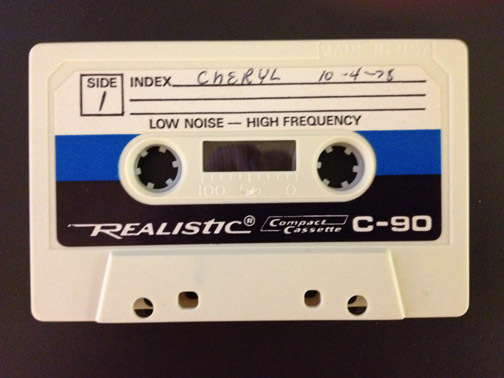
Cheryl, October 4, 1978 (Tape 1)
Side A: Cheryl discusses her experiences and the stereotypes that were associated with lesbians in college when she first first came out.
Side B: Cheryl discusses her relationships, including sexual relationships and partnerships. She shares her experiences and opinions about affairs, and monogamous and non-monogamous relationships. Generational differences within the lesbian community are also discussed. -
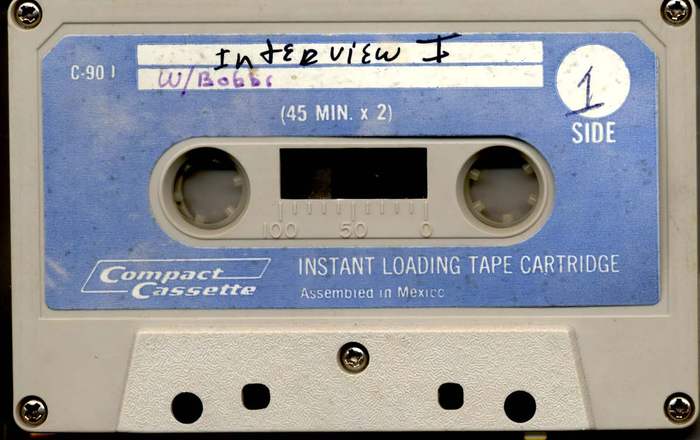
Bobbi (Tape 1)
Side A:
The interview discusses what coming out was like for the interviewee and the reactions of her family members.
Side B:
Interviewee discusses dating and having her first love affair. The interview talks about the differences in reactions of people when she came out during the 1960s and how that affected what she did and who she hung out with. She discusses the change in going from a group of people who accepted her being gay to a group of people who felt guilty of being gay. -
Annie, July 10, 1985 (Tape 1)
A woman talks about her time married to a man as compared to her time in a relationship with a woman, and the pros and cons of both. -
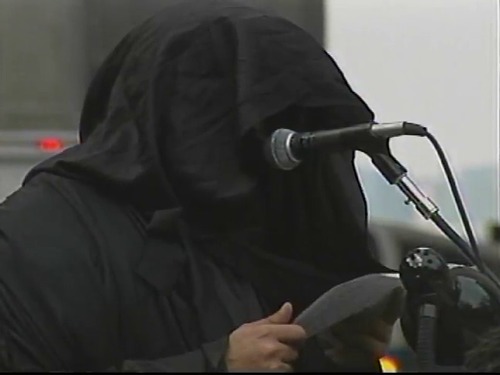
Report from World AIDS Day 1995
A Dyke TV report on World AIDS Day from New York City Hall. The event is a commemoration and demonstration memorializing New Yorkers who have died of AIDS, and a protest against budget cuts that will impact AIDS education, prevention, and services. It includes footage of people reading the names of the deceased, with City Hall chosen as a location to send a message to Mayor Rudolph Giuliani for his lack of response to the AIDS crisis. The report includes footage from a Housing Works Theater Project, "In Limbo", and interviews with participants including health care workers, an AIDS educator, and a harm reduction advocate and recipient of assistance at risk of being cut. Excerpts from the Dyke TV series "Risk, Lesbians, and AIDS" is also shown, including interviews with lesbian women living with AIDS and health care workers, and an excerpt from "Voices From the Front" about the People With AIDS Health Group and Act Up protests against the United States Food and Drug Administration and the National Institutes of Health. -
Ladder Workshop/Wendy Hayes, 1970s (Part 2)
About the First Lesbian Convention in San Francisco. A discussion of early scientific studies of sexuality (a couple of attendees and host talk about shock therapy). Trigger Warning: Discussion of shock therapy and suicide. -
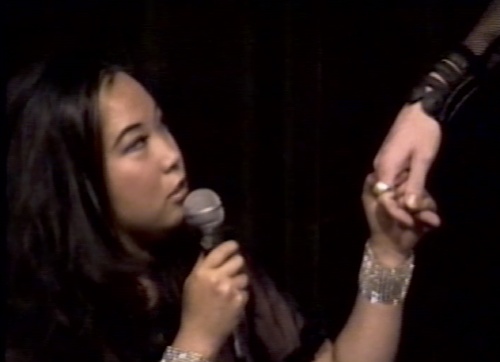
Cathay Che’s Performance at Dixon Place
Video recording of a spoken word performance art piece put on by Cathay Che at Dixon Place for an audience. Date of performance unknown. -
-
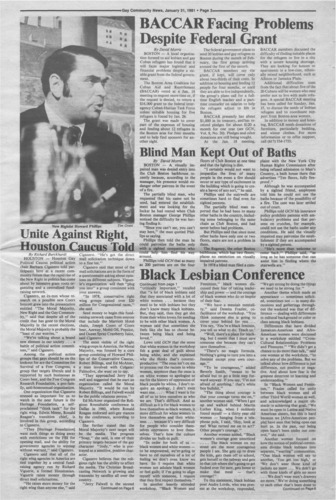
Power, Oppression and the Politics of Culture: A Lesbian/Feminist Perspective; Fourth Berkshire Conference on the History of Women, August 25, 1978, (Tape 1 of 3)
Audio recording of a panel presentation at the Fourth Berkshire Conference on the History of Women. Includes Audre Lorde. -
Discussion on Waitressing
Recording starts with an introduction from the Feminist Radio Network, with female vocalizing, singing, and performing. The recording then begins to talk about women in the food service industry, and the statistics of how many women are waitresses. Upon interviewing a waitress, the conversation moves towards the low wages, and need for unionization in waitressing, since there is such a reliance on tips. Segueing through empowering music, the discussion shifts to women’s speeches, performances and testimonies on women’s liberation. The recording then moves on to a panel with Maxine Kumin, Grace Paley, and Alice Walker, discussing their thoughts on women’s writing. -
I Ain't Gonna Testify
Emily Hixon introduces the topic of grand jury abuse. Through interviews, testimonies, and conversation, they discuss how grand juries can attack political activists and their organizations. They also examine women’s politicized folk music, as well as trial tactics and strategies. They theorize about the intentions of the FBI, lawyers, legal organizing, and the federal government. -
Discussion on Sexual Abuse of Children (Incest)
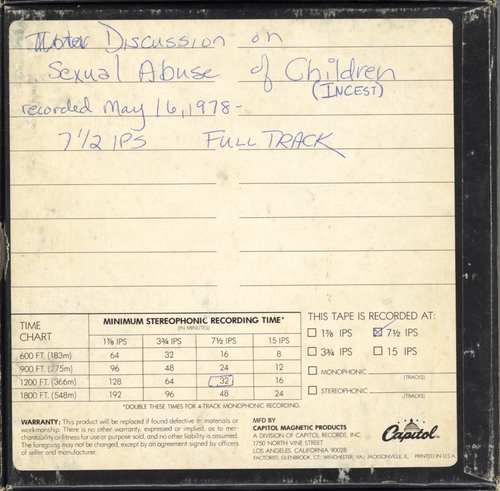
Interviewee discusses the statistics of child sexual assault, and how they are not reported accurately. They claim that girls face more assault than boys, but much of it goes unreported. Conversation circles around parental assault, parental protection, and social services. The host and interviewer talk about the role of the patriarchy, victim denial, abuse, and the need for child abuse education for children. They advocate for child’s rights, and children’s need for peer relationships. -
Explorations in Self Help
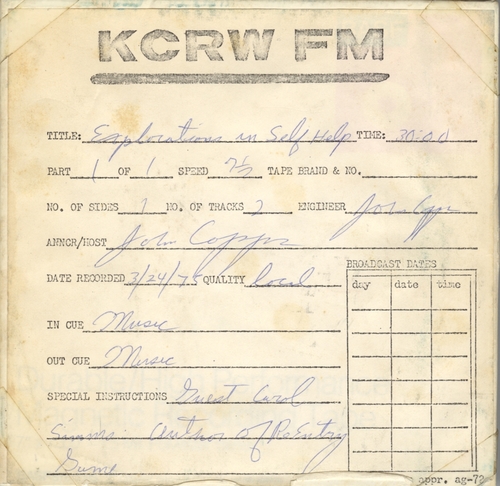
John Cooper hosts "Explorations in Self Help," with guest Carol Sims. Carol talks about her new book, The Re-entry Game, a book for women dating post-divorce, published by Warner Books. She talks about the rise of the financial and socially independent woman, as influenced by Women’s Liberation, and life post-Women’s liberation. She touches on post-divorce topics like custody battles, and self-love. Recorded by KCRWM Santa Monica. -
Discussion on Battered Women, Wife Abuse
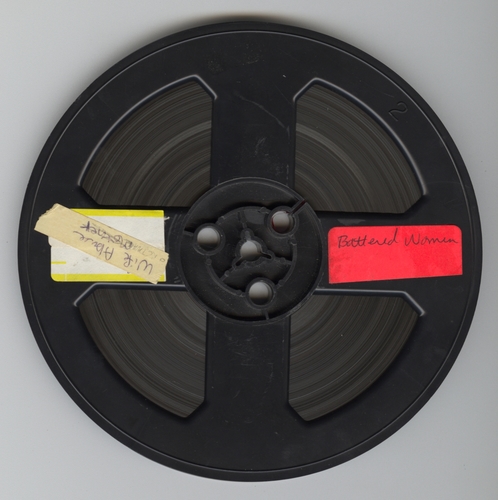
Interviewee discusses helping a domestic abuse victim retrieve their personal belongings, and shares statistics on reported domestic abuses. -
Women Writers
The radio episode, which is part of the Feminist Radio Network, includes recordings from a conference panel which included the writers Maxine Kumin, Alice Walker, and Grace Paley. They discuss the challenges of being women writers, how their writing processes are affected by societal gender norms, and how important women’s stories are within the individualistic, middle-class American society where female bonding is not encouraged. This episode also includes excerpts from Living, by Grace Paley, and Everyday Use, by Alice Walker. -
Enit, October 3, 1978 (Tape 2)
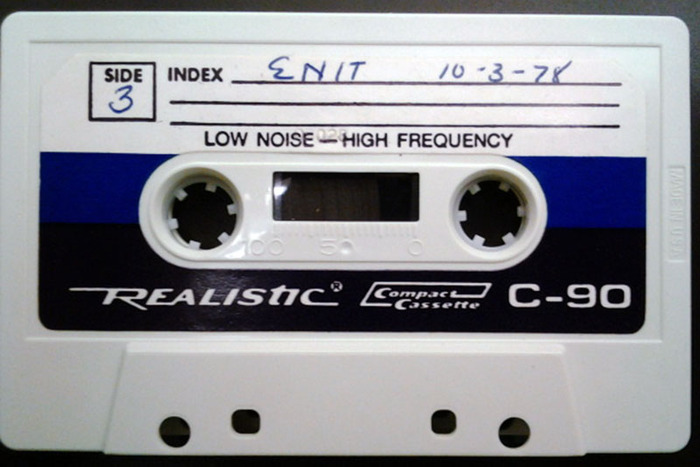
Enit discusses how her perception of Lesbian oppression has changed over time. She also talks about acceptance in the work place and how professionals view Lesbians. Enit explains that her personal interests have changed with age and that her hobby is dance. She finishes by discussing her interactions with straight women and the support she gets from her Lesbian friends. -
Enit, October 3, 1978 (Tape 1)
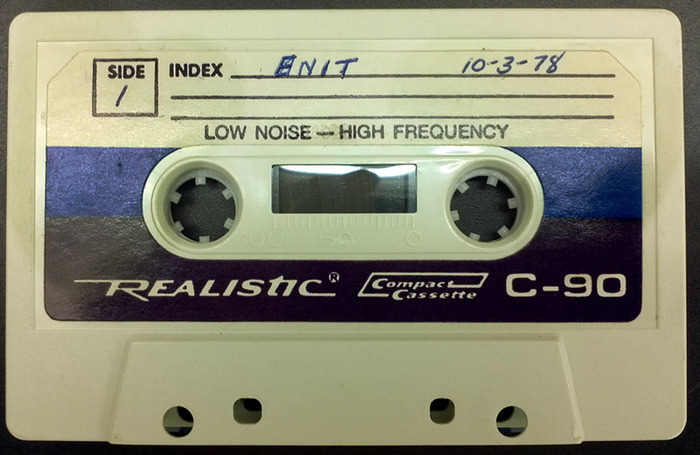
Enit discusses facing her sexuality at the age of 12 and coming out to her family despite her frustration at their lack of acceptance. She goes on to discuss her social life and dating in Buffalo, NY, noting how she used to meet women at bars but that her social activities have changed with age. She discusses her participation in the Erie Picnics held for gay men and women in Pennsylvania. She is 47 at the time of the interview. -
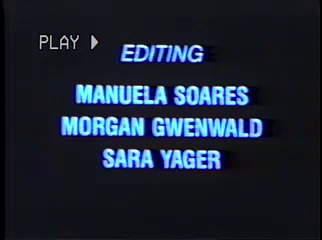
Slide Titles for GWA
This is a collection of video clips, photos, and opening/closing credits for a Daughters of Bilities documentary sponsored by the Lesbian Herstory Archives. -
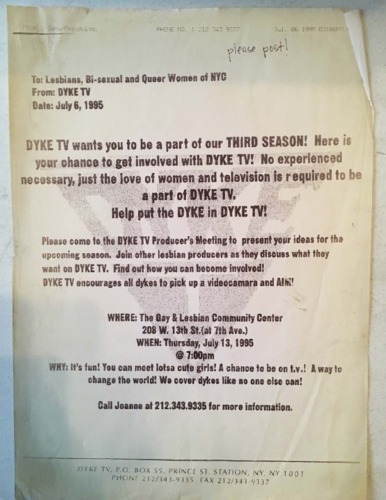
Dyke TV Third Season Recruitment Flyer
A flyer announcing the third season of Dyke TV and encouraging people to come to a producer's meeting to present ideas. -
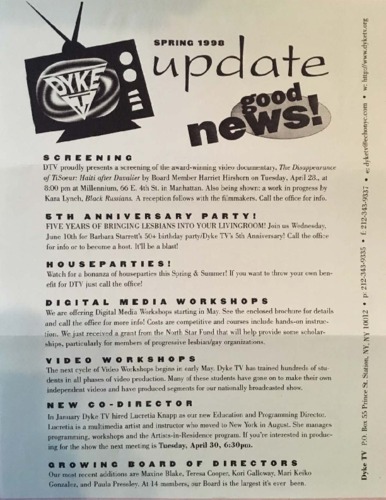
Good News Flyer
A Dyke TV flyer announcing various events including screenings, workshops, and parties, as well as new Board of Directors memebrs. The reverse side of the flyer announces New York Dyke TV airtimes and encourages support -
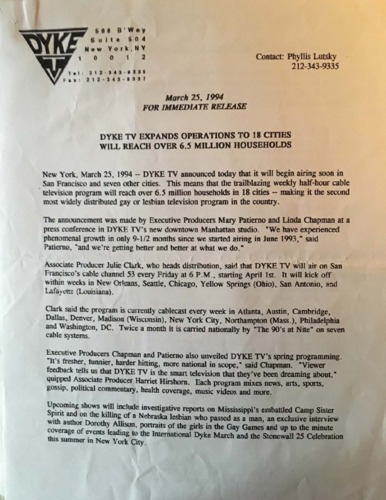
Dyke TV Expansion Press Release
A press release announcing that Dyke TV will begin airing in San Francisco and seven other cities, for a total reach to 18 cities. The announcement notes the current cities of distribution, and describes content that will be included in upcoming programming. -
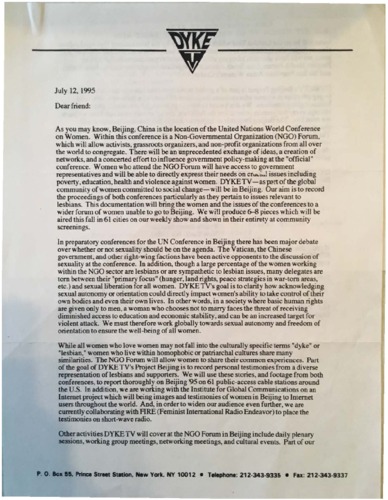
Dyke TV Beijing Project
A fundraising letter asking for support for the Dyke TV Beijing Project to attend the NGO Forum at the United Nations World Conference on Women to record testimonies from women. The letter notes a partnership between Dyke TV and FIRE (Feminist International Radio Endeavor) to also bring recorded testimonies to short wave radio. -
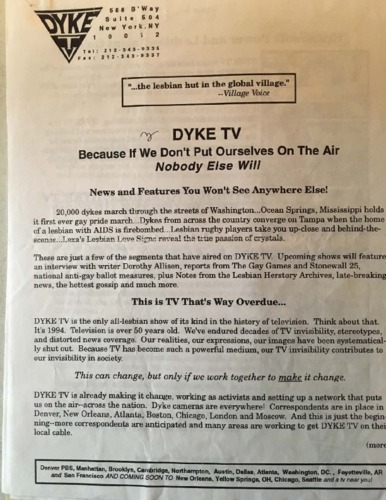
Dyke TV Fundraising Letter
A fundraising letter describing some of the past news and features presented by Dyke TV, and asking for donations to continue creating programming. The letter warns that without help, Dyke TV will soon be off the air. -
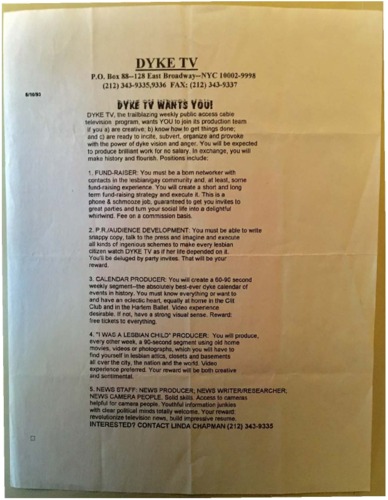
Dyke TV Recruitment Letter
A flyer advertising jobs at Dyke TV. Positions include camera operator, video editor, news writer/producer, fund-raiser, and public relations. Contains casual descriptions of positions and required skills. -
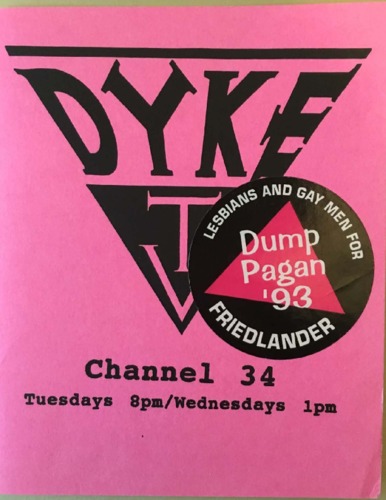
Dyke TV Recruitment Flyer
A flyer advertising jobs at Dyke TV. Positions include camera operator, video editor, news writer/producer, fund-raiser, and public relations. -
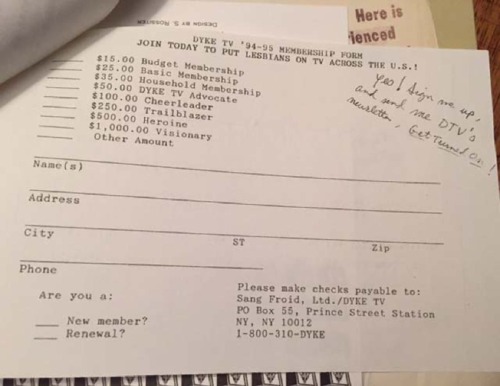
Dyke TV Membership Form
A membership form for Dyke TV detailing donation tiers. Handwritten note in upper right hand corner reads "Yes! Sign me up, and send me DTV's newsletter, Get Turned On!Tags Networks -
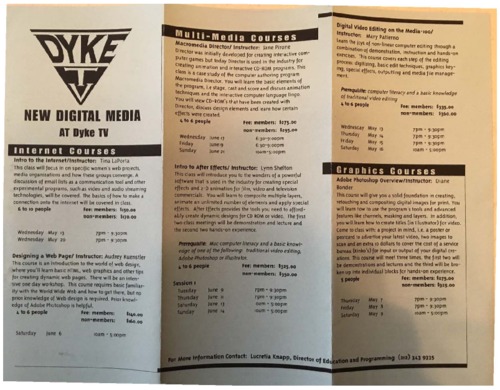
Dyke TV Internet Courses Flyer
A flyer advertising two internet courses. One teaches about the internet being used for lesbian and women's organizations and communication. The second teaches how to design a web page. -
-
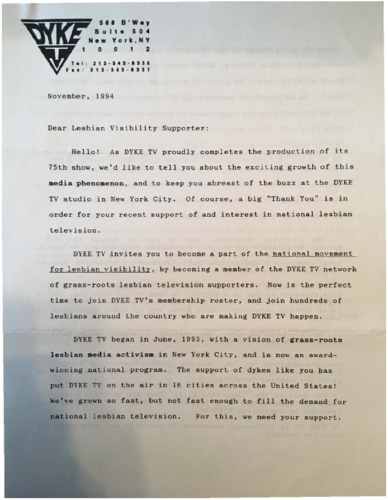
Dyke TV Membership Letter, 1994
A letter requesting support for Dyke TV. The letter asks the recipient to consider becoming a member of the Dyke TV network of grass-roots lesbian television supporters. -
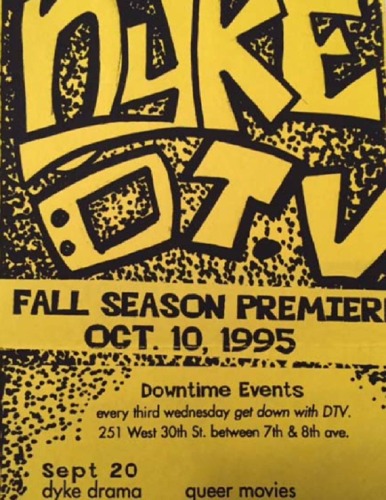
Dyke TV Season Premier Flyer
A flyer advertising the 1995 fall season premier of Dyke TV, as well as related promotional events and requests for "Lesbian Child" segment participants.