
Browse Items (771 total)
Sort by:
-
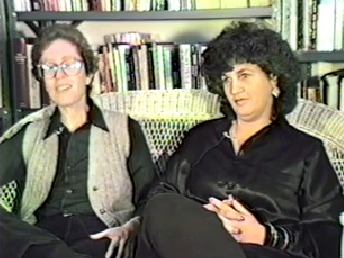
Deborah Edel, Joan Nestle & Judith Schwarz Interview
Deborah Edel, Joan Nestle, and Judith Schwarz discuss the formation of the Lesbian Herstory Archives in the 1970s. They detail how the Archives grew out of a consciousness raising group through the Gay Academic Union in 1973. They talk about the mission of the archives, to ensure that lesbian voices and culture were heard and preserved. They also talk about the growth of their collections through donations of books, papers, and photographs from the lesbian community. -
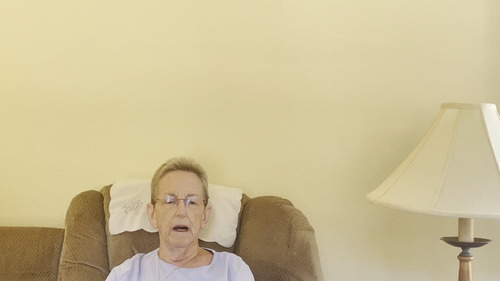
Deb Mayer Interview
In this oral history conducted by the Rossmoor Lesbian Social Club, Deb Mayer discusses her coming out process and finding lesbian community, her seven-year marriage to a navy pilot which brought her to the Bay Area, and her work in the juvenile justice system as a probation officer. She talks about her involvement in marriage equality and AIDS activism in San Francisco and also discusses moving to Rossmoor and the development of the Lesbian Social Club and the importance of friendship and community at this point in her life.
-
![[2014SP]11.14.88 dear morgan side a.mp3](/omeka/application/views/scripts/images/fallback-audio.png "[2014SP]11.14.88 dear morgan side a.mp3")
Dear Morgan, Side A, November 14, 1988
An anonymous woman records a tape to send to her friend Morgan. She is excited about Christmas being in a few weeks and carefully tells her stories as to not reveal the identities of friends who do not want to be named. -
-
-
Daughters of Bilitis Interview cuts
Del Martin, Phyllis Lyon, Billye Talmadge, Nikki Nichols, Barbara Gittings, and Shirley Willer speak about their experiences with the Daughters of Bilitis organization. -
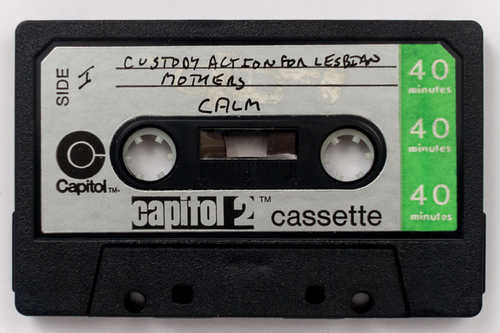
Custody Action for Lesbian Mothers
Broadcast of Learning to Fly, a broadcast of Radio Free Women Philadelphia hosted by Ellen Lambert. Inscribed title "Custody Actio for Lesbian Mothers". Lambert interviews founder of Custody Action for Lesbian Mothers Rosalie Davies and her partner Minna Weinstein. -
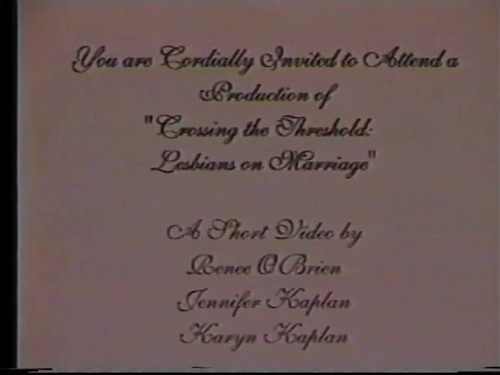
Crossing the Threshold: Lesbians on Marriage
This segment shows interviews with several members of the lesbian community, including a lesbian couple, a lesbian lawyer, and a mother of a lesbian, discussing the possibility of gay marriage. Themes discussed include the ways that legal marriage can or can not legitimize gay relationships; the presence or absence of gay people’s desire to get married; legal protections that marriage can provide; whether or not it would encourage parents to accept gay children; alternatives to gay marriage including domestic partnerships and second parent adoptions; and imaginings of what a lesbian wedding ceremony would look like. Also mentioned around 1:30 is the mass wedding of gay couples that took place as a demonstration on the lawn of the Lincoln Memorial on April 25,1993. This event was part of the March on Washington for Lesbian, Gay and Bi Equal Rights and Liberation.
Tags Marriage -
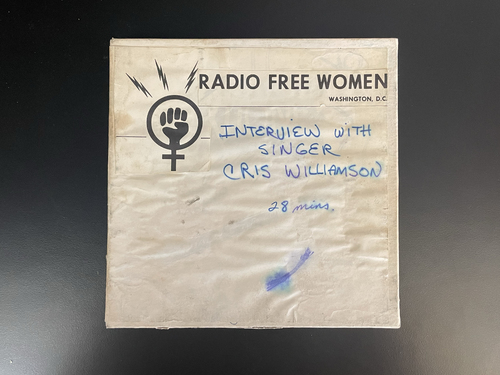
Cris Williamson, Singer
Cris Williamson talks about her music and plays some songs on guitar.
Note: The tape suffers from water damage which has made parts difficult to hear and which causes some drop-outs. -
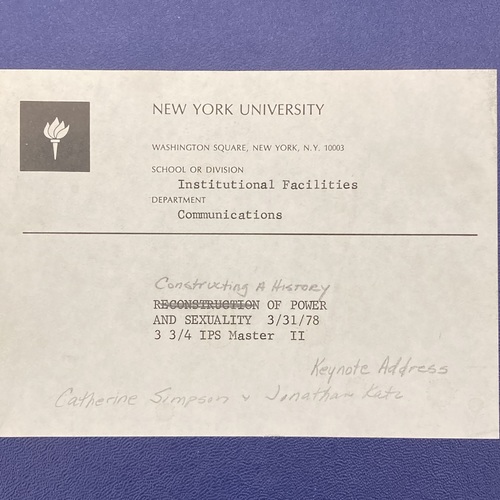
Constructing a History of Power & Sexuality, New York University, undated (Part 2 [no part 1])
This recording is the second part of a keynote address by Catherine Simpson & Jonathan Katz titled “Constructing a History of Power & Sexuality”. The recording of the first part is unavailable; upon digitization it was found that the tape itself was blank, possibly due to user error at the time of recording or from being erased. It consists of a question & answer session with discussion of power from an interpersonal perspective up to a governmental, political level. Psychology and energy, both labor and libido are elaborated on, as well as the impact and ramifications of the Women's Liberation Movement & Gay Liberation Movement on society. -
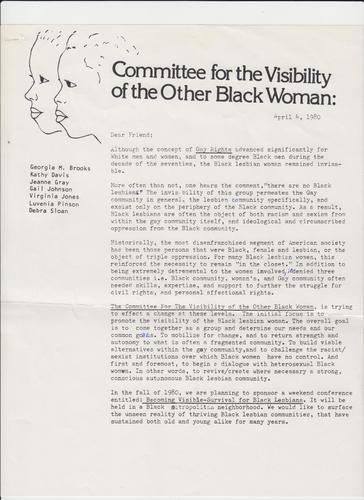
Conflicts in the Black Lesbian Community, Brooklyn NY, organized by the Committee on the Visibility of the Other Black Woman (Tape 3 of 3)
Audre Lorde moderates community discussion and dialogue including issues of identity, cross cultural conflicts, classism, & ageism. She also introduces panelists. -
Conflicts in the Black Lesbian Community, Brooklyn NY, organized by the Committee on the Visibility of the Other Black Woman (Tape 2 of 3)
Event organized by the Committee for the Visibility of the Other Black Woman. Audre Lorde moderates community discussion and dialogue including issues of identity, cross cultural conflicts, classism, and ageism. She also introduces panelists' presentations. Her most sustained comments are on Tape 2, as she introduces the panel on identity. -
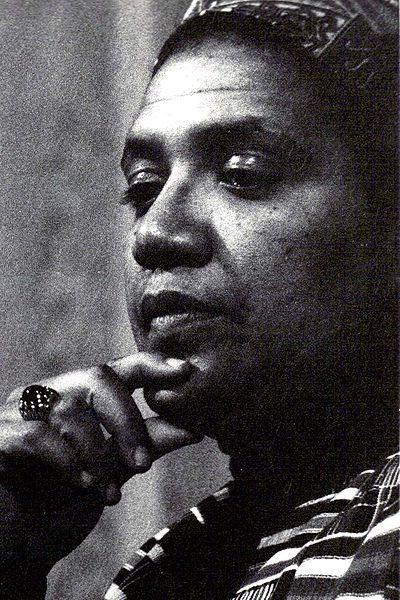
Conflicts in the Black Lesbian Community, Brooklyn NY, organized by the Committee on the Visibility of the Other Black Woman (Tape 1 of 3)
Event organized by the Committee for the Visibility of the Other Black Woman. Audre Lorde moderates community discussion and dialogue including issues of identity, cross cultural conflicts, classism, and ageism. She also introduces panelists' presentations. Her most sustained comments are on Tape 2 as she introduces the panel on identity. -
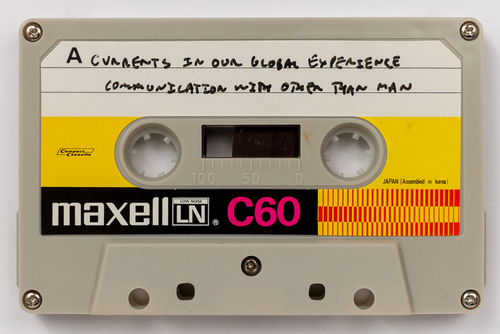
Communication with Other Than Man
Broadcast of Currents in Our Global Experience, noted as “Communication with Other Than Man” on the cassette, (which is also the title of this specific broadcast). The broadcast is a recording of Dr. John and Toni Lilly speaking at three day workshop in NYC about oceanic intelligence and communication with dolphins. Currents in Our Global Experience was a radio show centered on belief systems affecting life on planet Earth. -
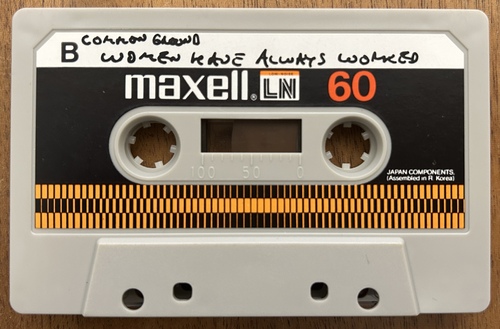
Common Ground - Women Have Always Worked
(This is side B of tape) An interview with Alice Kessler-Harris about her book, "Women Have Always Worked," published by Feminist Press. Hessler redefines "work" and also emphasizes how historically women's labor was not salaried or compenstated financially. -
-
-
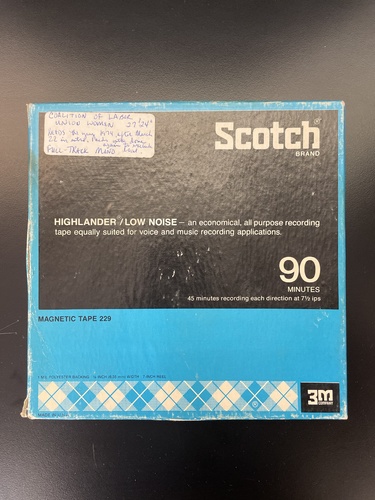
Coalition of Labor Union Women #2
This interview/discussion opens with "Frontier" by Cris Williamson. Pat Strand and Linda Osbourne are interviewed about the Coalition of Labor Union Women (CLUW) conference. They talk about how the women's unions and the coalition got their start. The effects of the conference on local unions is also talked about. The CLUW episode ends at 27 minutes. Note: At 27:20 the audio cuts to the middle of a conversation about women in music and the different challenges that are faced in male-dominated music spaces. -
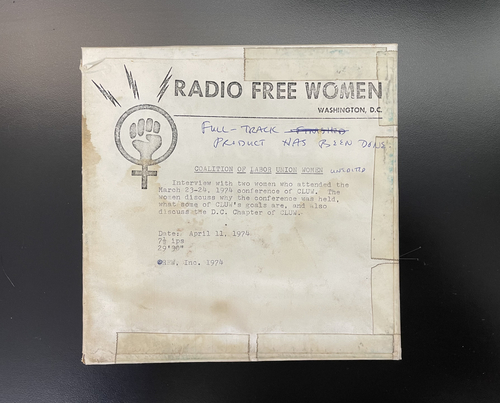
Coalition of Labor Union Women #1
This is the same discussion as CoalitionofLaborUnionWomen_2, but without the additional music conversation. The CLUW interview also has additional questions (at around minute 21): "How can women get in touch with you?" and "How many women are involved in the DC chapter of CLUW?"
Note: Audio has static throughout -
Class in the Women's Movement
This episode is a Production of Radio Free Women in Washington DC, affiliated with the Feminist Radio Network. The hosts cover issues of class wtihin the Women’s Movement, often from personal experience as lower or working class women. It includes discussions on the differences between the working class, poor working class, and lower class, the overlap between race and class, and the lack of culture within middle class spaces. Furthermore, they cover some common experiences of working and lower class women within the Women’s Movement, from discriminatory treatment from the middle class women in the movement and the lack of solidarity and support from middle class women to those with material needs. -
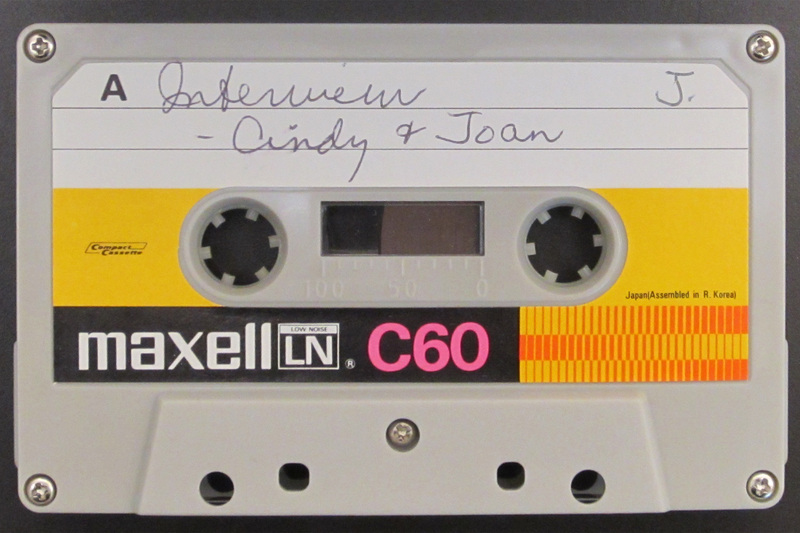
Cindy and Joan
Cindy or Joan (speaker unclear) discusses her experience of growing up in a working class family. She also discusses going to bars as she got older, and her relationships with women. She describes lesbians being harassed by police officers in the past. She also describes how her car was vandalized once, which she thinks was because she is a lesbian.
Speakers' identities are unclear throughout. Recording label identifies Cindy and Joan but it is hard to tell if there are actually two separate speakers.
Sound quality is poor. Tape cuts off abruptly at the end. -
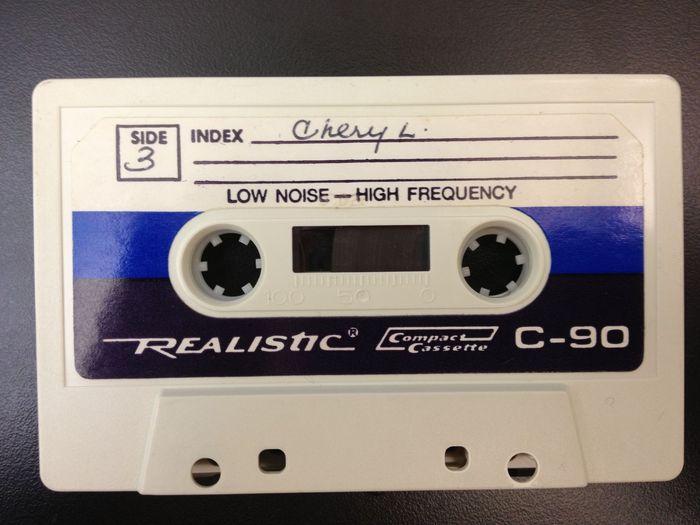
Cheryl, October 4, 1978 (Tape 2)
In the first few minutes of this tape Cheryl and the interviewer have a casual conversation discussing topics as, a gay computer dating services and gays in the service
Later in the tape Cheryl discusses how her relationships fall into patterns. From there she list characteristic she is attractive to in a partner.
-
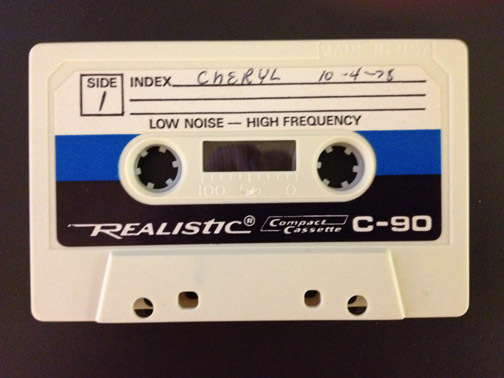
Cheryl, October 4, 1978 (Tape 1)
Side A: Cheryl discusses her experiences and the stereotypes that were associated with lesbians in college when she first first came out.
Side B: Cheryl discusses her relationships, including sexual relationships and partnerships. She shares her experiences and opinions about affairs, and monogamous and non-monogamous relationships. Generational differences within the lesbian community are also discussed. -
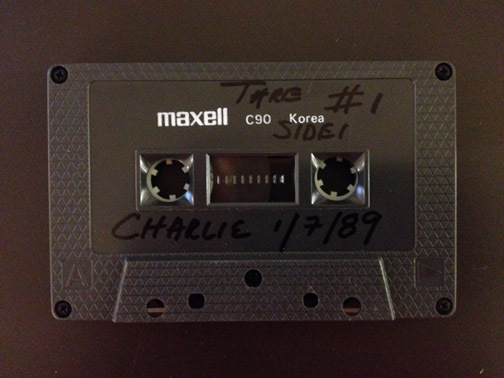
Charlie, January 7, 1989
Charlie talks about her life as a lesbian after twice being married to men. She discusses having two long committed lesbian relationships and the differing dynamics between her and those partners as a reflection of her age and comfort with herself. Charlie identifies as a Femme, and the Butch / Femme dynamic is explored. There is also discussion of her mother’s reaction to her lifestyle and the not somewhat non-forthcoming dynamic with her daughter.
Note: To listen to this recording, please contact the Lesbian Herstory Archives to make an appointment. -
Channel 26 Show, November 30, 1971
Two radio excerpts from the Channel 26 Show.
Notes: The "right track" is muffled and indistinct, but appears to contain music and a comedy program. The "left track" contains a discussion on the topic of gay liberation. -
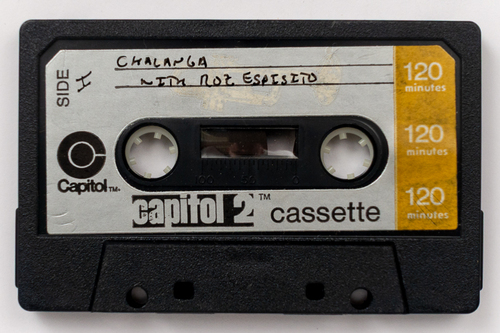
Chalanga with Roz Esposito
Broadcast of Free Music Store, on side A and B, hosted by Ira Weitzman, no title inscribed on cassette. Free Music Store broadcast live concerts. This broadcast captures a band whose name, phonetically, is "cha-long-a," and is possibly lead by "Diane Ponzio" or "Diane Pond," followed by Roz Esposito. -
Cecilia, 1990
Phone message left by Cecilia from Routledge publishers. In the message she gives feedback on a chapter of the Boots of Leather, Slippers of Gold: The History of a Lesbian Community manuscript and discusses the next steps in the publishing process. -
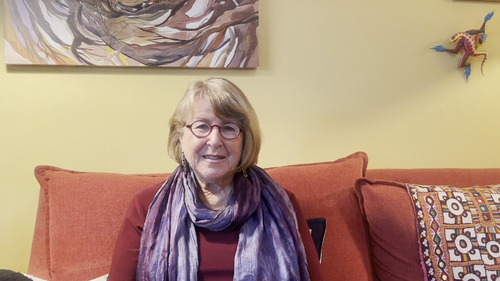
Cecelia Wambach Interview
In this oral history conducted by the Rossmoor Lesbian Social Club, Cecelia Wambach discusses her realization her being a lesbian after being married to a man, her experince of being in a convent for 10 years, teaching at a women’s college, her involvement with the civil rights and anti-war movement and her move to the west coast with her small family. She also talks about her involvement with the LGBTQ communities once she moved to San Francisco, finishing her PHD and working as a college professor at San Francisco State for 30 years, and her life long pursuit of painting.
-
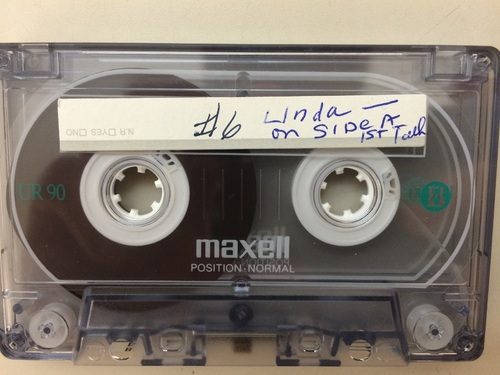
CDC Hearing [Linda Meredith address]
Presentation at the final CDC hearing by Linda Meredith, followed by physicians, about the definition of AIDS activists, especially the inclusion of lesbians, difference from advocates, and inaccurate characterizations. -
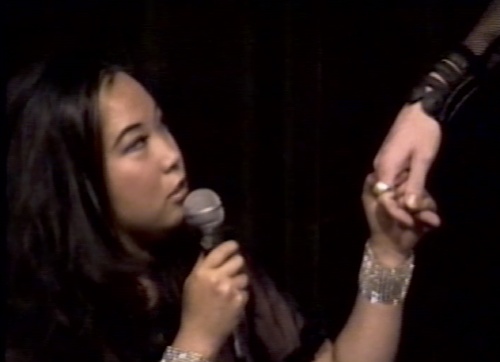
Cathay Che’s Performance at Dixon Place
Video recording of a spoken word performance art piece put on by Cathay Che at Dixon Place for an audience. Date of performance unknown. -
Casse Live at Sagaris, Tape 1 of 1, September 15, 1981
This sound recording captures a live music performance. The audience sings and claps along to several traditional American folk songs including "Down in the Valley to Pray". -
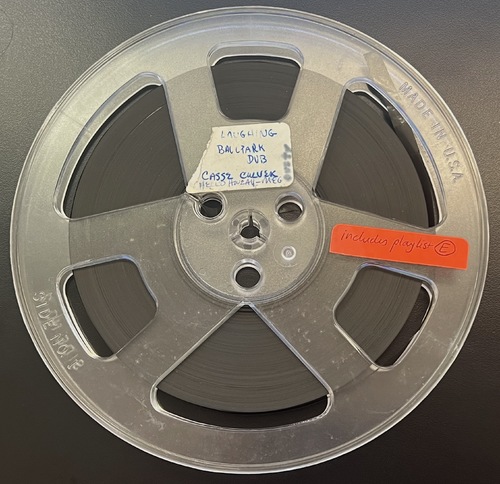
Casse Culver and Others Music and Poetry Performances
Women perform poems and songs, including “Ode to a Gym Teacher” by Meg Parker. -
-
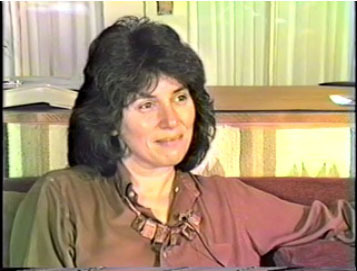
Carole Morton Interview, October 21, 1988
Carole Morton discusses her discovery of Daughters of Bilitis and her activism on behalf of lesbian mothers. -
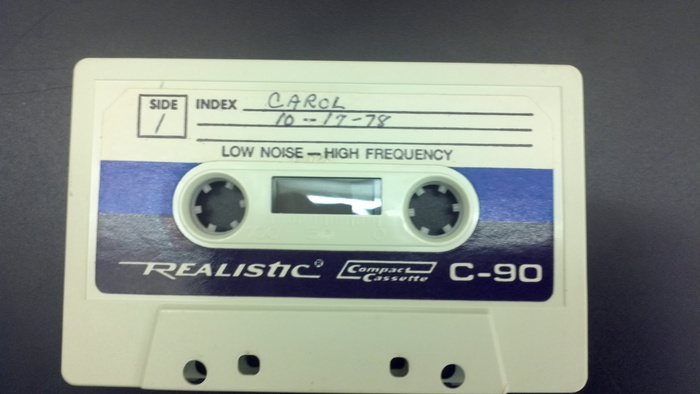
Carol, October 17, 1978
Bad sound quality. Discusses that she doesn't think of her community of a lesbian community, though she can contribute to the lesbian community. Says she now stays away from gay bar communities because she is a teacher. Discusses running into students at bars, relationships, family. -
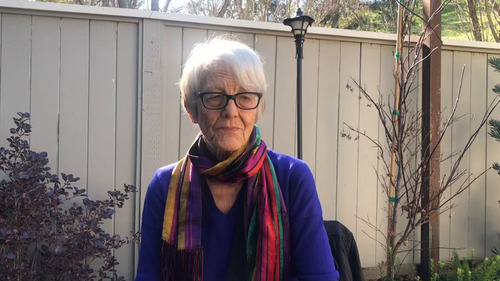
Carol Newhouse Interview
In this oral history conducted by the Rossmoor Lesbian Social Club, Carol Newhouse discusses her family history, her travels and life living around the in Puerto Rico, New York, and France, and her eventual move to the Bay Area and then to Rossmoor. -
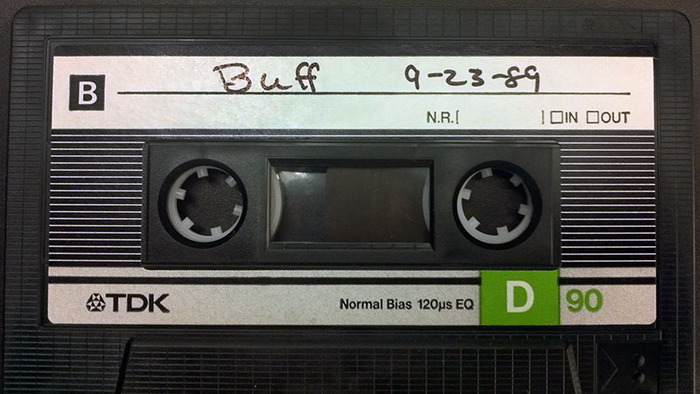
Buff, September 23, 1979
Talks about dating a prostitute, lesbian prostitutes, lesbians and butches having sex with men, lesbian pregnancy, clothing styles, -
Buff, October, 1978
Talks about community tattoos, race, being butch, the challanges of identity and expectations. Touches on past sexual abuse by her father, gender roles, identity, learning about gay life and her discovery process, friendship, clothing and identity, her marriage to a gay man, her suicide attempt. -
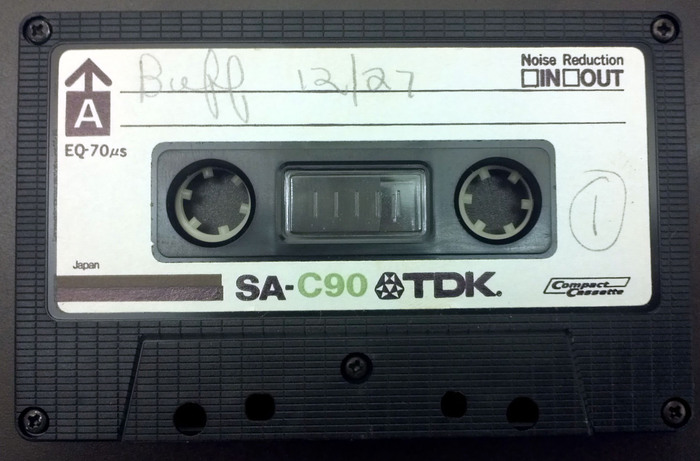
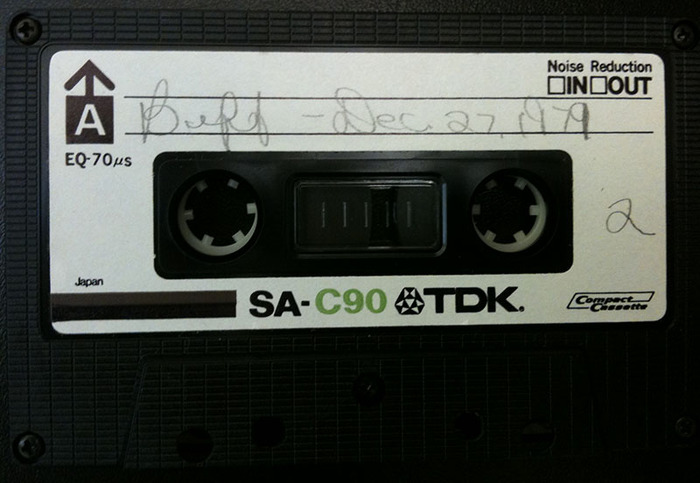
Buff, December 27, 1979
Buff discusses the impact of the Metropolitan Community church on her life and the gay-rights movement. Mentions activities in Tucson, AZ. She stresses that current lesbians should know that there is more to life than the bars, but that in her time in Buffalo she didn't feel there were places for community outside of them. Mentions her time in the army, realizing she was homosexual, and coming out. Discusses her time in the army, lesbians in the military, being in Seattle and Germany with the military just after the Korean war. She talks about the differences in gay identity and self identity in the past compared to now. -
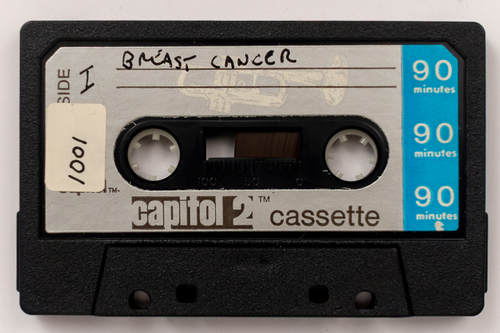
Breast Cancer
Broadcast of radio show hosted by Viv Sutherland, title not noted during broadcast, inscribed title on cassette noted as “Breast Cancer,” on both side A and side B. Sutherland interviews investigative journalist and war reporter Rose Kushner on her new book Breast Cancer: A Personal History and Investigative Report. -
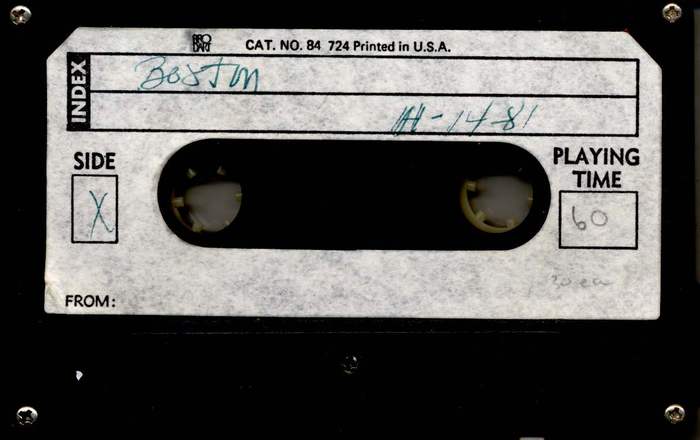
Boston, November 14, 1981
Side A:
Opens with an unnamed woman singing with guitar playing in a live venue. Continues to go through the concert with intermittent breaks to speak about songs.
Side B:
Blank -
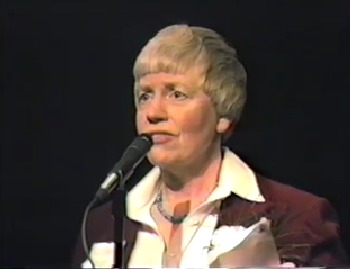
Boston DOB 20th Anniversary, April 2, 1989
The Boston chapter of the Daughters of Bilitis celebrate their 20th anniversary with opening remarks by Lois Johnson. She briefly discusses the founding of the chapter in 1969 by Jan Chase before thanking committee members and individuals for their contributions to the ceremony. The video ends with the lighting and cutting of the cake. -
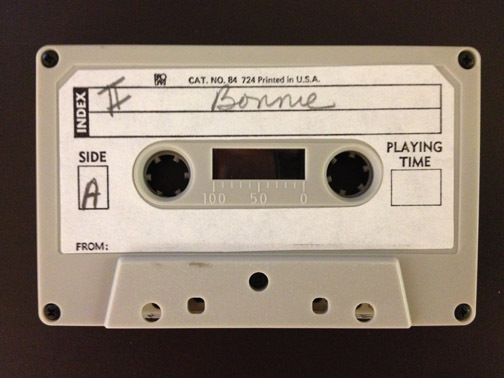
Bonnie, June 9, 1984 (Tape 2)
Bonnie discusses rules of conduct within the lesbian community, including domestic violence, beginning and ending relationships, identifying as butch or femme, and domestic roles. Other topics include prostitution with women and men, bisexuality, definitions of lesbianism, types of relationships, and her rules of attraction. -
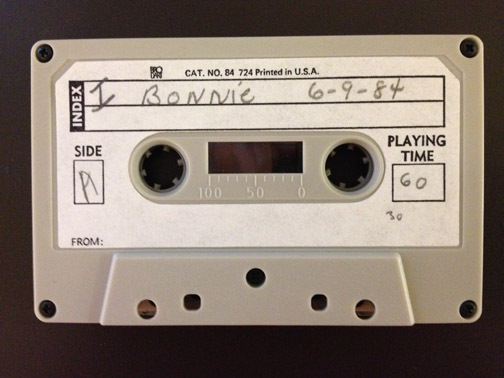
Bonnie, June 9, 1984 (Tape 1)
Bonnie discusses the lesbian community in which she came out and lived during the 1960s. She describes the difference of experience for butch and femme lesbians in public during this time, the roles butches and femmes play within relationships, and the social expectations involved. Other topics include Bonnie's lesbian mother, alcoholism, lesbian bars, Bonnie becoming actively gay at Catholic school, her way of flirting, and monogamy and infidelity within the lesbian community. -
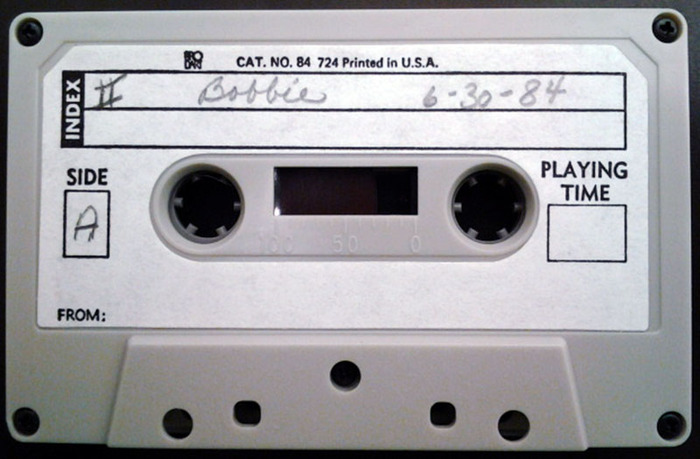
Bobbie, June 30, 1984 (Tape 2)
Bobbie speaks on the nature of her various relationships, including patterns of sex and cohabitation, being confused about her significant other identifying as a man in public, she addresses the existence of her children, using men after prison to live and make money, attending gay reorientation church, her sexual practices, and the subject of the "Untouchable". -
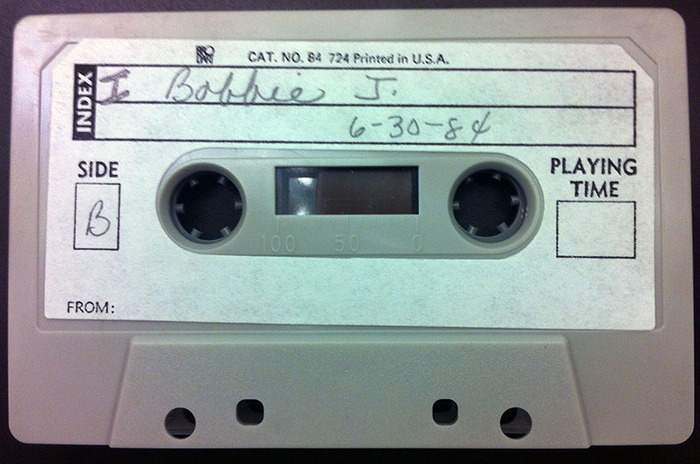
Bobbie, June 30, 1984 (Tape 1)
She thinks people have the wrong opinion of lesbians, she says she feels alone in the bars, role playing was important that someone should be the more aggressive person in a relationship, talks about how she needs a butch in a relationship, thought of herself as a femme although she didn't dress feminine, describes a "dyke person", bar atmosphere and how she went to a bar every night to hit on the bartender, how much she enjoyed the bar scenes, prostitution, story about how she was abducted and raped by 3 men, about how she was in an abusive relationship, spending time in a correctional facility, sexual relationships while in jail -
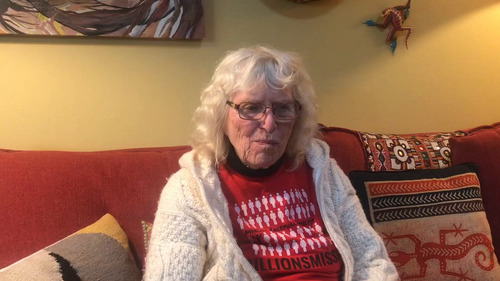
Bobbi Ausubel Interview
In this oral history conducted by the Rossmoor Lesbian Social Club, Bobbi Ausubel discusses her early life and family, her coming out process, the RLSC community during Covid and her experience with the second wave feminist movement and feminist liberation theater. -
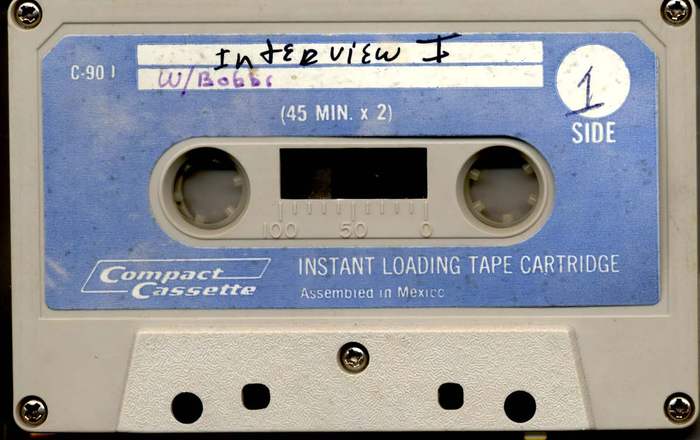
Bobbi (Tape 1)
Side A:
The interview discusses what coming out was like for the interviewee and the reactions of her family members.
Side B:
Interviewee discusses dating and having her first love affair. The interview talks about the differences in reactions of people when she came out during the 1960s and how that affected what she did and who she hung out with. She discusses the change in going from a group of people who accepted her being gay to a group of people who felt guilty of being gay. -
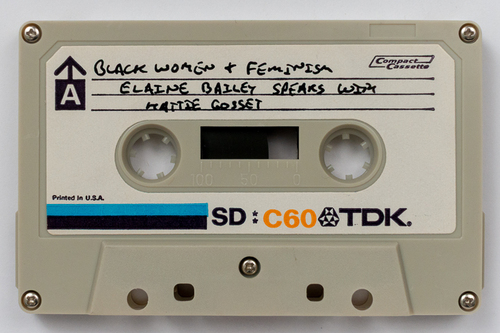
Black Women + Feminism Elaine Bailey Speaks with Hattie Gossett
Broadcast of Our City, Our Lives, noted as “Black Women + Feminism Elaine Bailey Speaks with Hattie Gosset,” on both side A and side B. In this broadcast, host Elaine Bailey speaks with writer, lecturer, and educator Hattie Gossett regarding damaging myths regarding Black womanhood. Note, Gossett's last name is misspelled on the cassette inscription. -
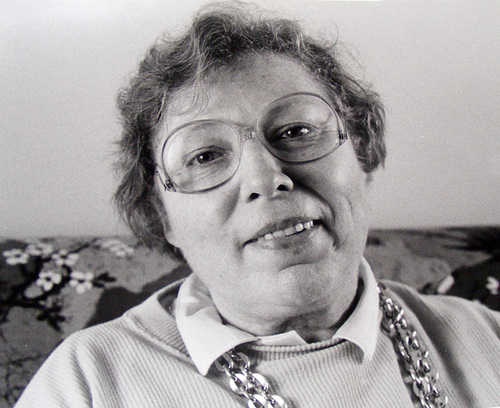
Billye Talmadge Interview, 1987
Billye Talmadge discusses her early experiences as she came to understand her own preferences and sexuality, and the support she received from her college dean, classmate, and mother. She describes her role in the Daughters of Bilitis and the responsibilities and liabilities of being an officer in the group. She elaborates on the social and political climate of the times, and how she endeavored to help people overcome their fear of harassment and discrimination through providing education and supportive counseling and resources. -
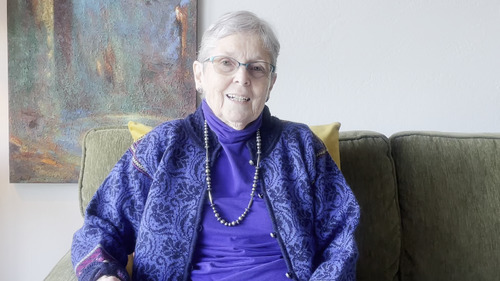
Bev Lyon Interview
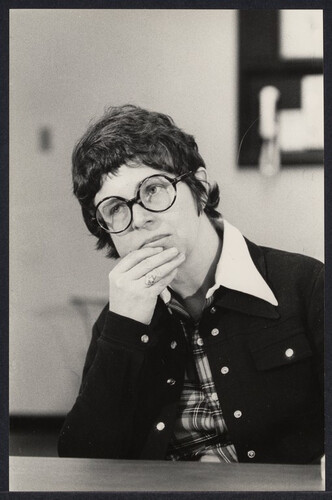
In this oral history conducted by the Rossmoor Lesbian Social Club, Bev Lyon discusses her family background and history, her early feelings for other girls in High School and her coming out in her early 40s. She speaks about getting married to a man in her senior year of college and their adoption of a child together. She discusses her her first relationship with a women and breaking into the lesbians and feminist world, and her later coming out to her family amf her reations. Bev talks about her life long ilness and how that affecter her life as well as the misogyny that she encoutered in law school. She speaks about meeting her partner and her involvement with the Bay Area Career Women group. -
-
Berkshire Conference Panel Discussion and Cleo Glenn
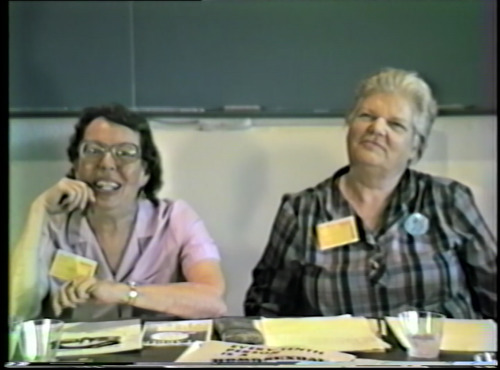
Del Martin, Phyllis Lyon, Barbara Gittings, and Lois Johnson discuss their experiences in Daughters of Bilitis on a panel for the 1987 Berkshire Conference on the History of Women; Cleo Glenn discusses some of her younger life as well as her involvement with Daughters of Bilitis -
Being a Lesbian Woman in Yugoslavia
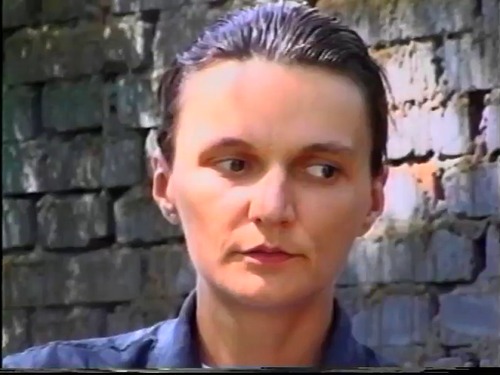
This is an interview with Jelena Topalović* about being a queer woman in Yugoslavia during the Yugoslav Wars. She discusses nationalism of the Serbian government, women’s rights, and social attitudes toward homosexuality. Topalović discusses the role of women in Serbian society- that of the mother and the nurturer, and how being a lesbian places people outside that paradigm. She also discusses the government campaign to ban abortion, explaining that this makes lesbian women 'useless' members of society because they do not fit into a nationalistic image that a woman's purpose is to bear children to increase the Serbian population. While she notes there were no specific bans in place against lesbians, the government could still make life very difficult for them. She then discusses Arkadia, Serbia’s first Lesbian Lobby, in which she provides a space for women to gather and discuss issues that affect them, and how to fight misconceptions about lesbianism propagated by the government, and social stigmas against lesbians and single women.
*Name changed for privacy
-
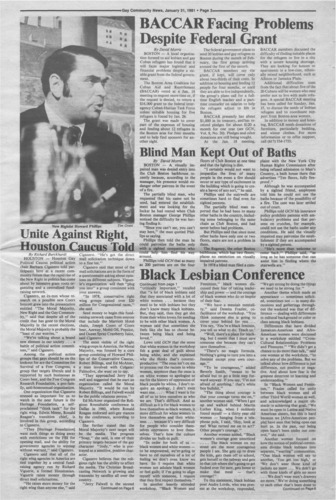
Becoming Visible: The First Black Lesbian Conference
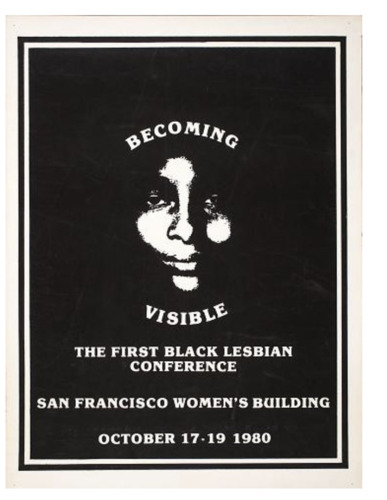
poster on paper